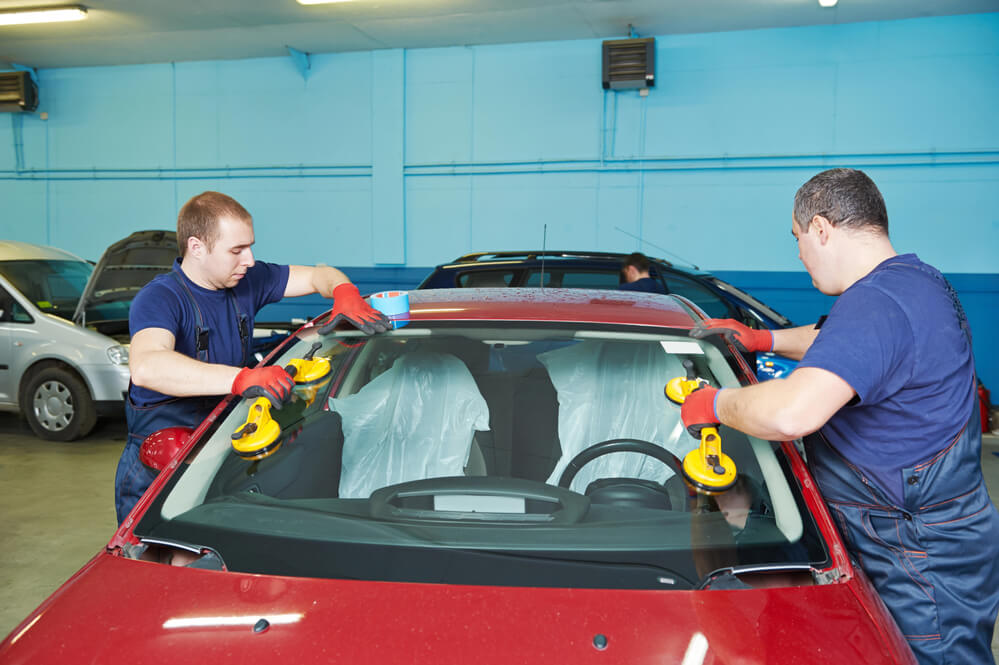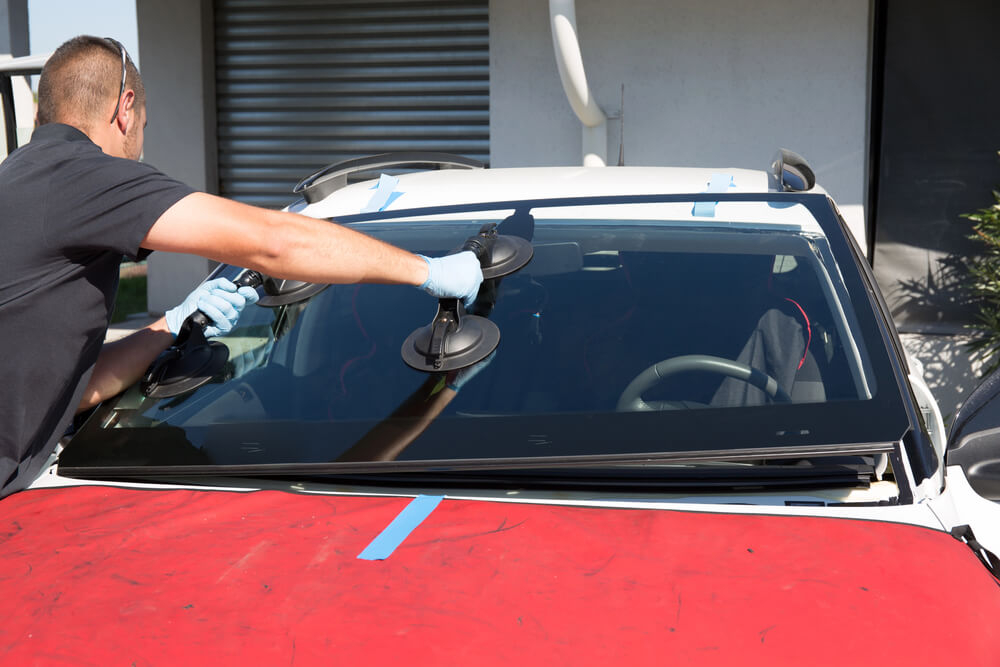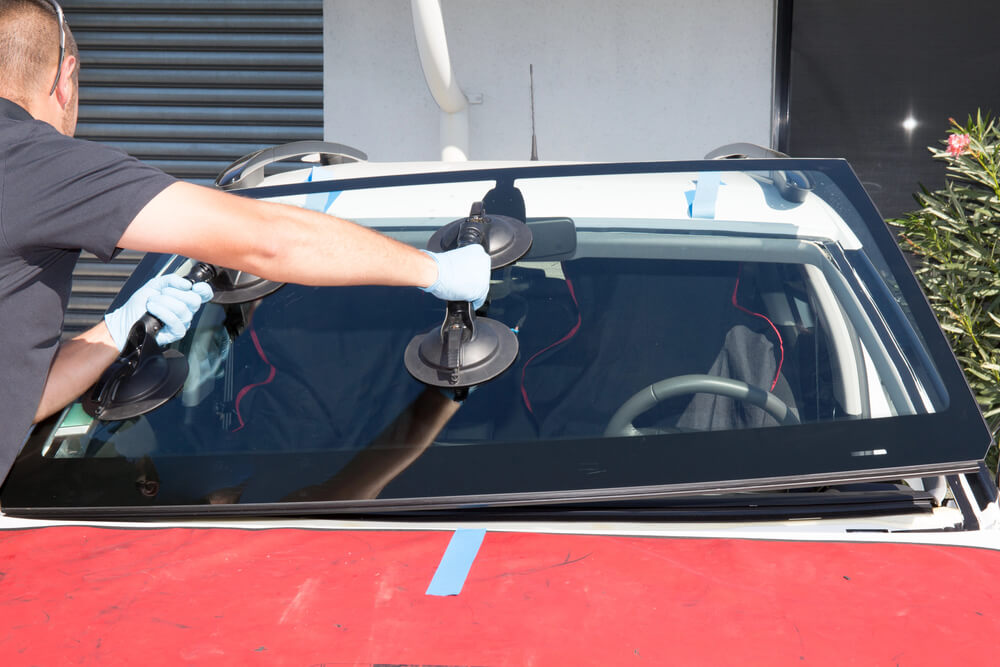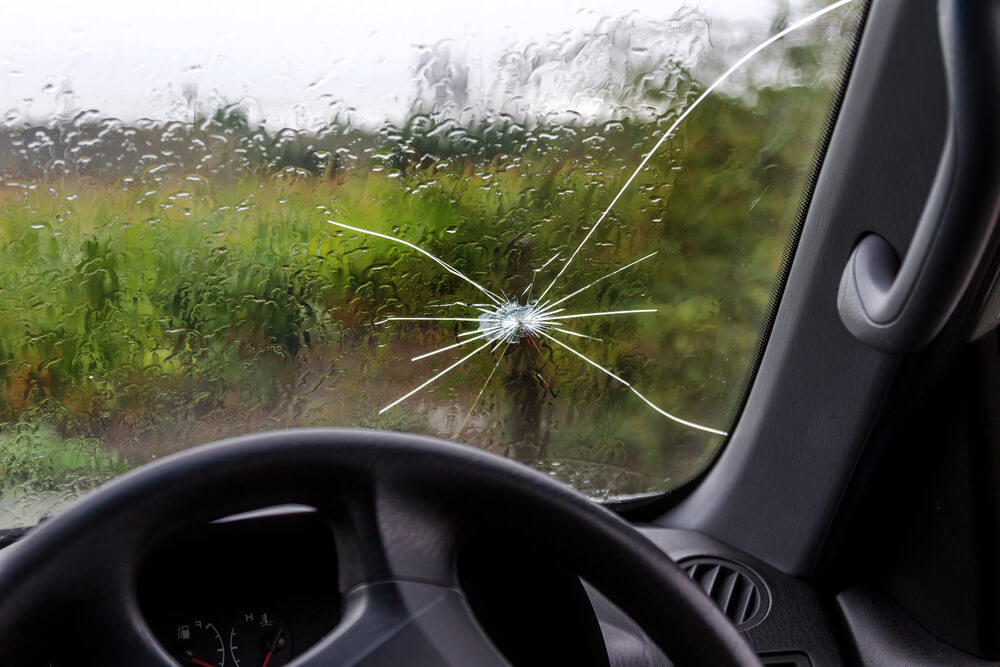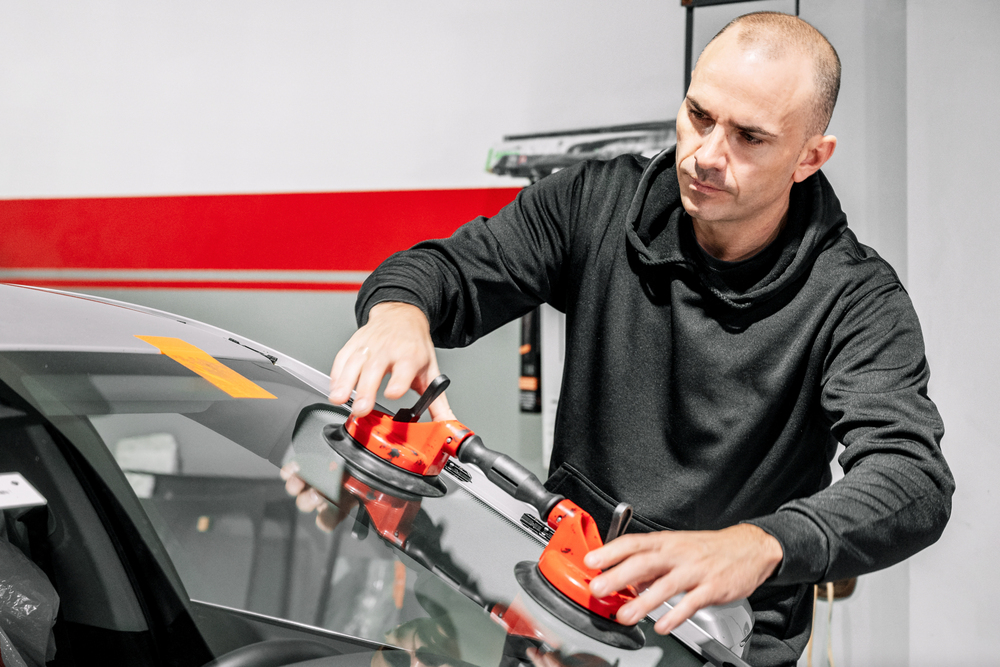

A rock hits your windshield on President George Bush Turnpike, and at first it looks minor - just a small mark no bigger than a coin. Then the question hits: what is windshield chip repair, and can this be fixed before it turns into a full crack? For most drivers in Garland, Dallas, and nearby North Texas cities, that is the right question to ask early.
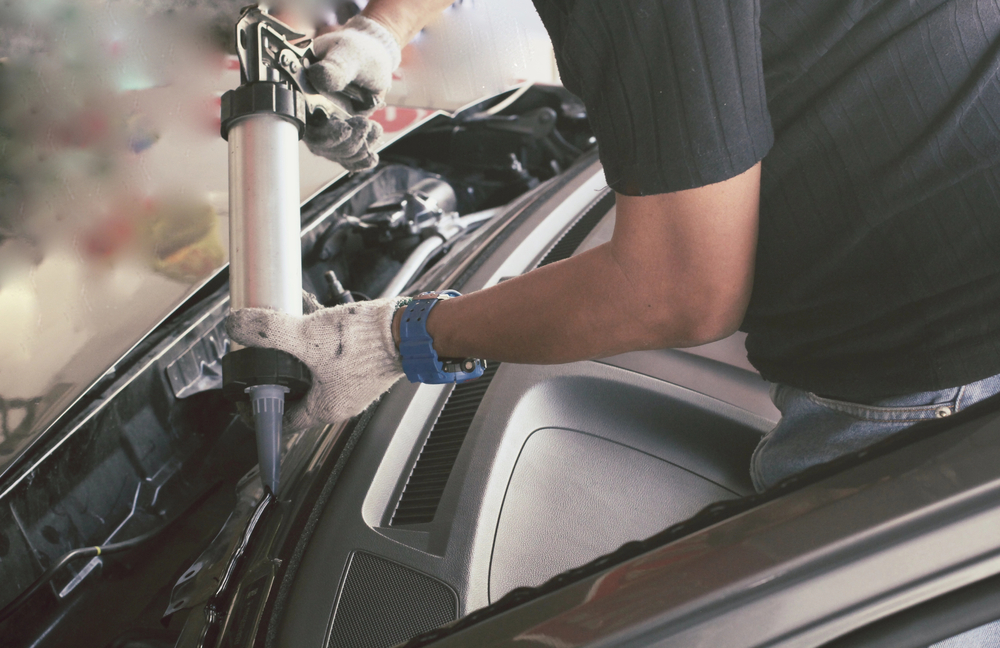
Windshield chip repair is a process used to fix small damage in laminated auto glass before it spreads. Instead of replacing the whole windshield, a technician injects a clear resin into the chip, removes trapped air, cures the resin, and smooths the area. The goal is to restore strength, improve visibility, and stop the damage from getting worse.
That sounds simple, but whether repair is the right choice depends on the size, depth, location, and type of impact damage. A fast inspection matters because Texas heat, road vibration, and everyday driving can turn a small chip into a long crack faster than most people expect.
What Is Windshield Chip Repair and How Does It Work?
Your windshield is not just one piece of glass. It is made from two layers of glass with a plastic interlayer between them. That design helps the windshield stay together during impact, but it also means chips need proper treatment if you want to preserve the strength of the glass.
In a standard windshield chip repair, the technician first cleans the damaged spot and checks whether the outer layer alone is affected or whether the damage has gone deeper. If the chip is repairable, a specialized tool is placed over the area to create pressure or vacuum. That allows resin to flow into the break and fill the damaged section.
Once the resin is in place, it is cured with ultraviolet light so it hardens inside the chip. After that, the surface is polished to make the area as smooth and clear as possible. The repair usually does not make the chip disappear completely, but it often reduces how visible it is and, more importantly, helps keep it from spreading.
For most drivers, the practical benefit is simple. Repair is usually faster and less expensive than replacement, and it can often be done before a small problem interrupts your whole day.
When a Chip Can Be Repaired
Not every chip needs a new windshield. Many small impact points can be repaired safely if they are caught early enough. In general, repair is most likely when the chip is small, not deep, and has not already developed into a long crack.
Common repairable damage includes bullseye chips, small star breaks, and short combination breaks. A technician will also look at whether the edges are clean, whether dirt or moisture has gotten into the damage, and whether the chip sits in an area that can still be restored without affecting safe driving visibility.
Timing matters more than many people realize. If you keep driving for days or weeks after the impact, dust, water, and temperature changes can make a clean repair harder. North Texas weather is especially rough on damaged glass. A cool morning and a hot afternoon can put extra stress on the windshield, and that stress can turn a chip into a crack.
When Repair Is Not Enough
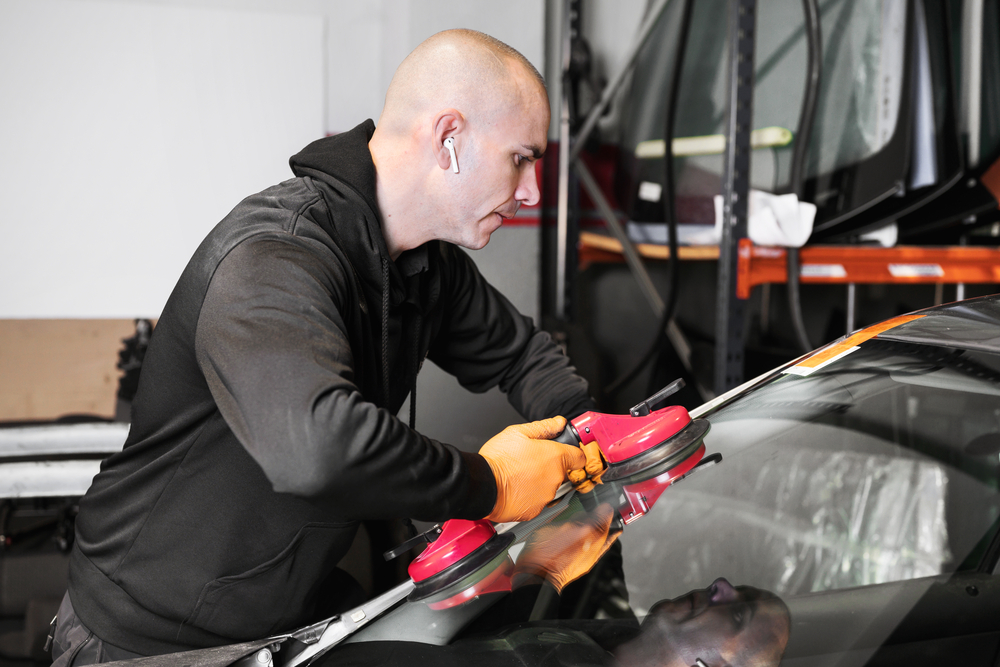
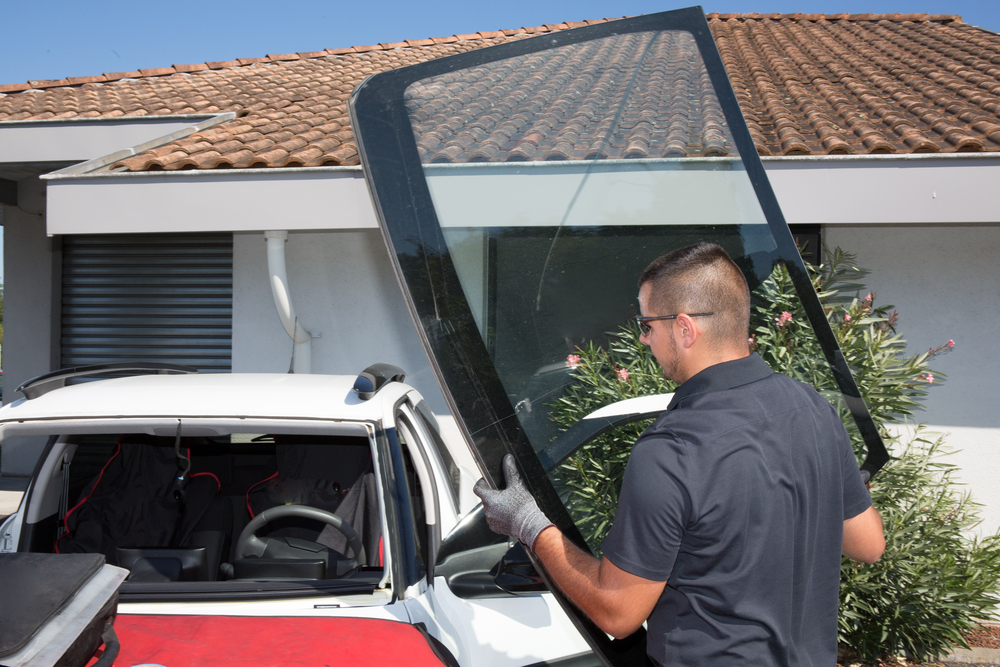
There are plenty of cases where repair is not the best option. If the damage is too large, reaches the edge of the windshield, or blocks the driver's direct line of sight, replacement may be the safer call. The same is true if the inner layer is affected or if the glass already has multiple damaged spots.
This is where honest inspection matters. A reliable auto glass shop should not try to force a repair when replacement is clearly the better choice. The point is not to sell the bigger job. The point is to make sure the windshield can protect you properly and that visibility is not compromised.
Advanced driver assistance features also matter on many newer vehicles. If your windshield works with cameras or safety systems, the glass has to be in proper condition and may need recalibration after replacement. A small chip may still be repairable, but the location becomes more important.
Why Fast Repair Saves Money and Trouble
Most people put off windshield damage because the car still seems drivable. That is understandable, especially when work, school pickups, or errands are already packed into the day. But a chip rarely improves on its own.
A quick repair can prevent a full replacement bill later. It can also help you avoid the hassle of driving with worsening glass damage, which may become a safety concern or a visibility issue at the worst possible time. If the chip spreads across the windshield during a commute or a weekend trip, the repair window may close entirely.
There is also the insurance side. In some cases, insurance may help with repair costs, and handling a repair early can be easier than waiting until the damage becomes a larger claim. For drivers who want the process handled without extra back-and-forth, working with a trusted partner that helps with insurance claims can make the situation much less frustrating.
What to Expect During the Appointment
If you have never had this service before, the process is usually straightforward. The technician inspects the damage first to decide if repair is safe and likely to hold. If it is, the repair itself often takes less time than people expect.
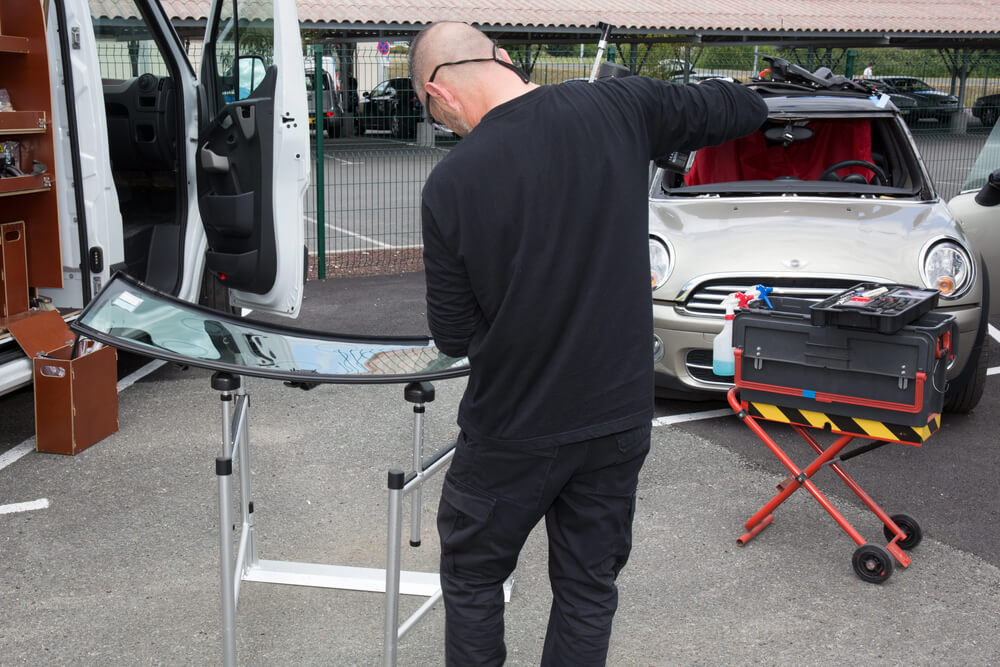
Many chip repairs can be completed in around 30 minutes, though exact timing depends on the damage. Mobile service may also be an option, which helps if you are at home, at work, or trying not to lose part of your day sitting in a shop. For busy drivers in Garland and surrounding areas, convenience matters almost as much as the repair itself.
After the repair, you may still notice a faint mark where the chip was. That is normal. The purpose is not cosmetic perfection. The purpose is to reinforce the glass, stabilize the damage, and restore a clearer view.
What Is Windshield Chip Repair Best For?
Windshield chip repair is best for minor damage that is addressed early. It works well when the structure of the windshield is still largely intact and the chip has not spread into something more serious. For daily drivers, commuters, rideshare operators, and families who rely on their vehicle, that early action can save both time and money.
What it is not best for is damage that has already crossed the line into a safety issue. If a crack is growing, the chip sits near the edge, or the damage interferes with vision, replacement often makes more sense. This is one of those situations where it depends on the actual condition of the glass, not just what the damage looks like at a glance.
That is why a professional assessment is worth it. Two chips may look similar to a driver but lead to different recommendations once a technician checks depth, spread, and placement.
A Few Common Misunderstandings
One common misunderstanding is that a repaired chip will look brand new. Usually, it will look better, but not invisible. Another is that any chip can be repaired if you catch it fast enough. Speed helps, but some damage is simply beyond repair from the start because of size, shape, or location.
Some drivers also assume DIY kits give the same result as professional service. They can help in limited cases, but they often fall short when the chip contains moisture, debris, or more complex break patterns. A professional repair uses better tools, better resin control, and a more reliable inspection process.
For local drivers who need a practical answer instead of guessing, that is where a service-focused company like Auto Glass Garland can make the process easier - inspect it, explain it clearly, and handle the repair or replacement the right way.
If your windshield has a fresh chip, the smartest move is usually the simplest one: get it looked at before a small spot turns into a bigger problem that changes your whole schedule.