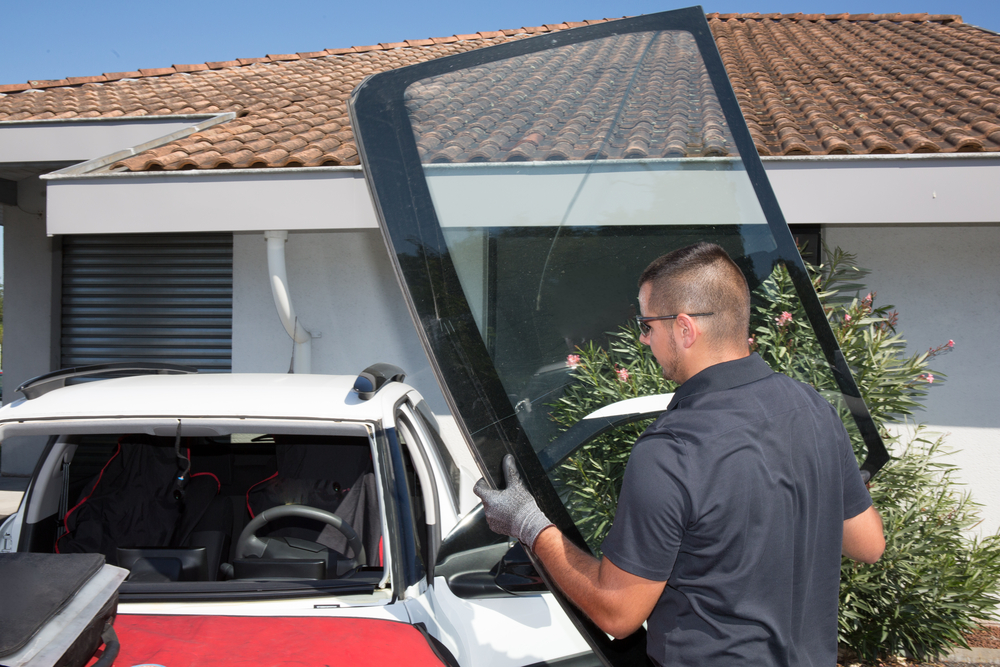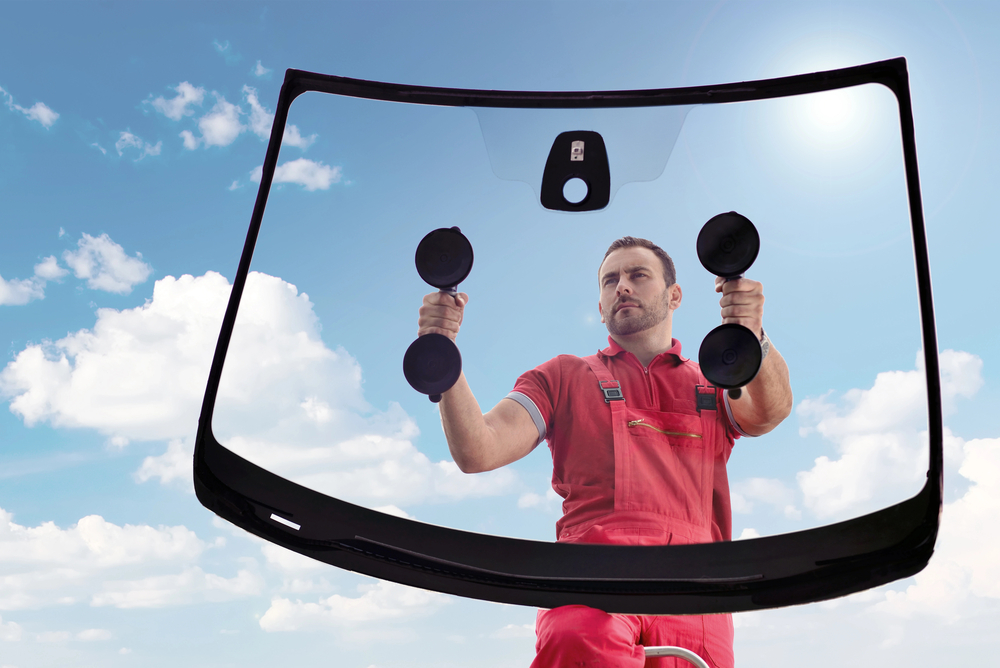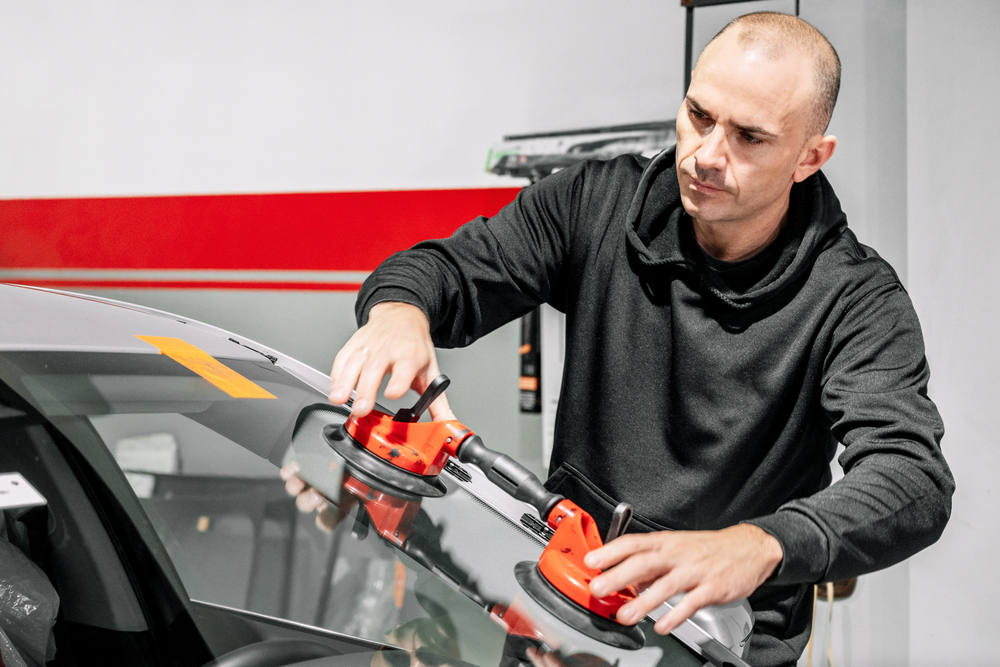

A wet front floorboard after a North Texas storm is not always a windshield problem, but it should never be ignored. Windshield weatherstrips help keep water, wind, dust, and outside noise from entering around the glass. When the material is damaged, loose, or poorly fitted after a prior repair, a small gap can become an annoying leak or a bigger auto glass concern.
For Garland and Dallas drivers, heat, sudden rain, highway speeds, and long hours in the sun are hard on exterior rubber and trim. The right fix depends on what has failed: the visible molding, a retaining clip, the windshield bond, or another part of the vehicle body. A reliable inspection is the fastest way to avoid replacing parts that are not actually causing the issue.
What Windshield Weatherstrips Actually Do
People often use “weatherstrip,” “molding,” “seal,” and “trim” to mean the same thing. Around a windshield, they can be related but are not always identical. The outer molding is the visible piece around the glass edge. It helps direct water away, covers the gap between glass and body, and gives the windshield a finished appearance.
On many late-model vehicles, the windshield itself is held in place by a strong urethane adhesive bond. That bond is a safety component, not just a water barrier. The windshield supports the roof structure in a rollover and can help the passenger-side airbag deploy correctly. In those designs, replacing a cracked or faded outer molding alone will not repair a failed windshield bond.
Other vehicles use weatherstripping or gasket-style seals more directly around the glass. These parts can shrink, harden, split, or pull away over time. Whether your vehicle uses a molding, gasket, or bonded windshield, the goal is the same: keep the glass secure and the cabin protected from the elements.
Signs Your Windshield Weatherstrips Need Attention
The clearest sign is water inside the vehicle after rain or a car wash. Look for damp carpet near the dashboard, moisture at the A-pillars, a musty smell, fogging that seems worse than usual, or water marks along the headliner. Water can travel before it shows up, so the wet spot is not always directly below the leak.
Wind noise is another common complaint. If you hear a whistle or rushing air at highway speed that was not there before, the molding may be lifted, missing, or no longer sitting flush. A loose piece of trim can also flap in the wind, especially after a windshield replacement or body repair.
Visible damage matters too. Check for cracked rubber, gaps at the corners, sections pulling away from the glass, or molding that looks wavy and uneven. Texas heat can dry out older materials, while debris and improper cleaning can tear an edge. If a strip is missing, do not assume it is only cosmetic until the windshield and surrounding channel have been inspected.
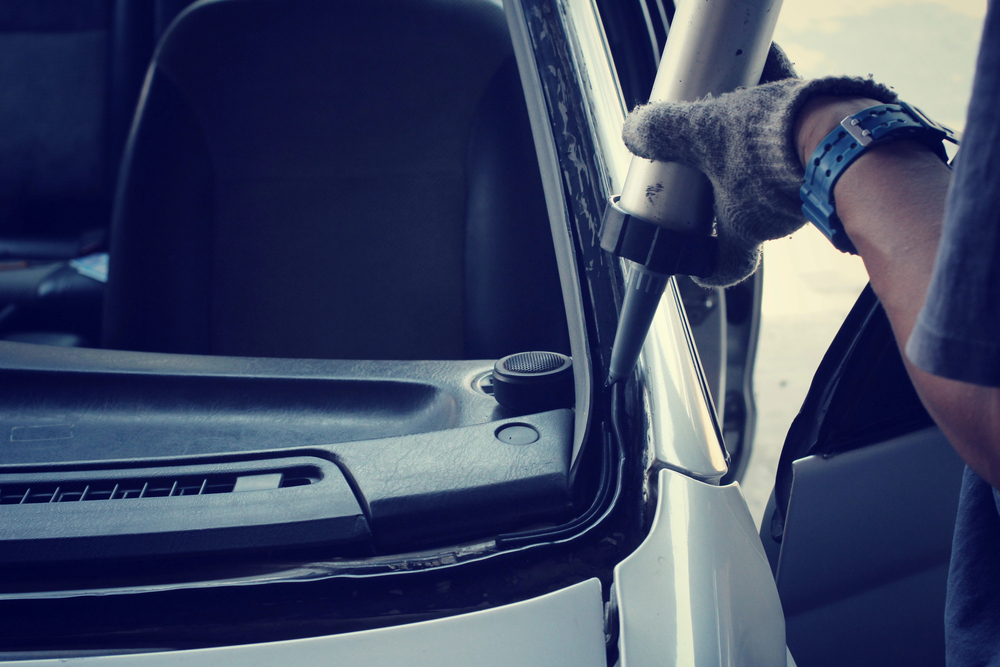
A leak after windshield replacement deserves prompt attention. Sometimes the molding simply needs to be reseated or replaced. Other times, the issue is the adhesive application or preparation of the pinch weld, which is the metal channel where the windshield sits. That requires trained auto glass service, not a tube of household sealant.
Why a Windshield Leak Is More Than an Annoyance
Water entering the cabin can damage more than carpet. Modern vehicles often have wiring, sensors, modules, and connectors under the dash, behind trim panels, or beneath the seats. Ongoing moisture can lead to corrosion, electrical issues, odors, and mold growth that becomes more expensive to correct later.
Leaks can also hide rust around the windshield opening. Rust weakens the surface needed for proper windshield adhesion. If corrosion is extensive, a replacement windshield may not bond correctly until the area is repaired. Catching a failed weatherstrip or molding early can help prevent this kind of secondary damage.
There is also a safety question. A loose exterior molding does not automatically mean the windshield is unsafe, but a windshield that moves, has a visible gap in the adhesive area, or leaks after an impact needs professional evaluation. Do not drive for long with tape holding exterior trim in place, especially at freeway speeds.
What Causes Weatherstrip and Molding Problems?
Age is a major factor. Rubber and plastic are constantly exposed to ultraviolet light, heat, cold, rain, road grit, and cleaning chemicals. Over several years, they can lose flexibility and stop conforming tightly to the glass and vehicle body.
Previous glass work can be another cause. A windshield replacement may require new moldings, clips, retainers, or cowl components depending on the vehicle. Reusing old trim can sometimes be appropriate if it is designed to be reusable and remains in good condition. On other vehicles, replacement is the better choice because the old part can warp or break during removal.
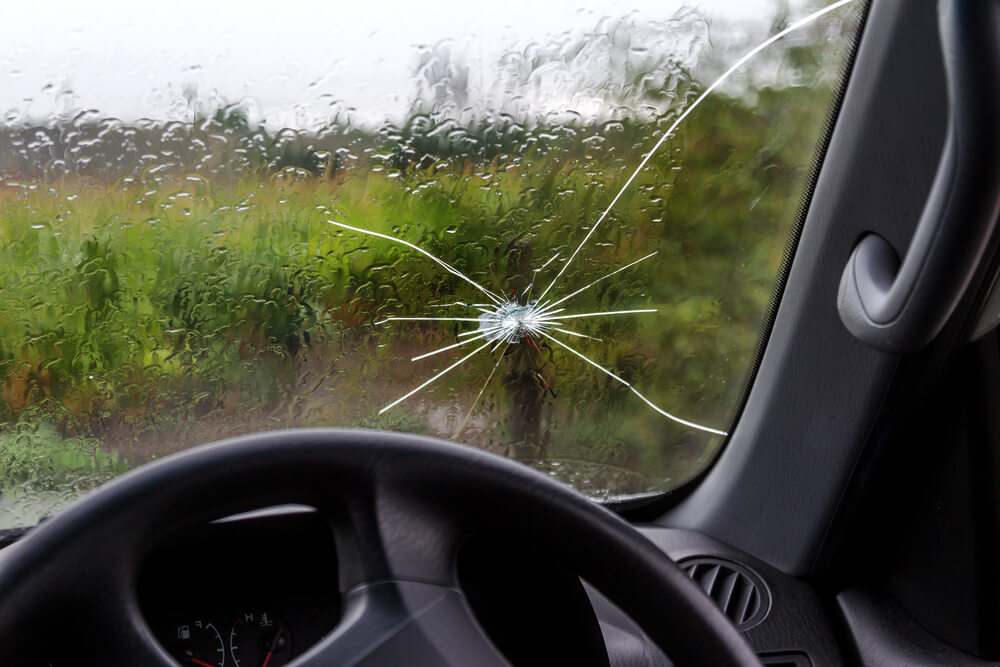
Accidents and impact damage also matter. A rock strike may only crack the windshield, but a collision near the front corner can bend a molding channel, break clips, or damage the body seam. Even a seemingly minor issue should be checked if you notice new wind noise or a leak after the event.
Clogged sunroof drains, damaged door seals, and cowl-panel problems can imitate a windshield leak. That is why diagnosis comes first. Replacing windshield weatherstrips without finding the true water path can waste time and money.
Repair, Replacement, or Resealing: What Is the Right Fix?
If the windshield is solidly bonded and the problem is limited to worn exterior trim, replacing the molding or weatherstrip may be all that is needed. This is often the straightforward fix for a visible loose edge, missing clip, or cracked outer strip.
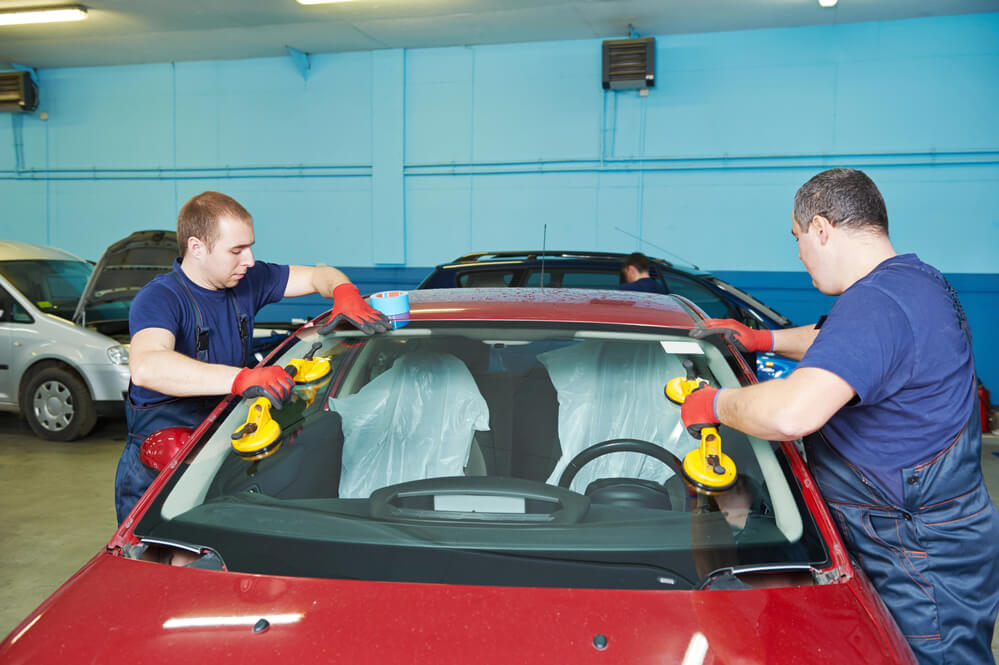
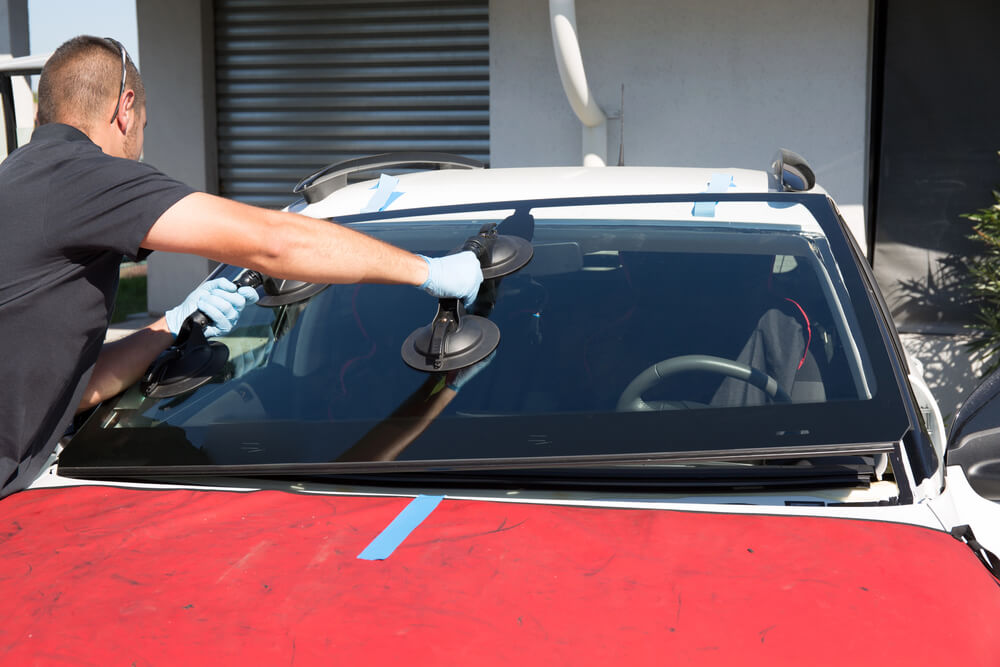
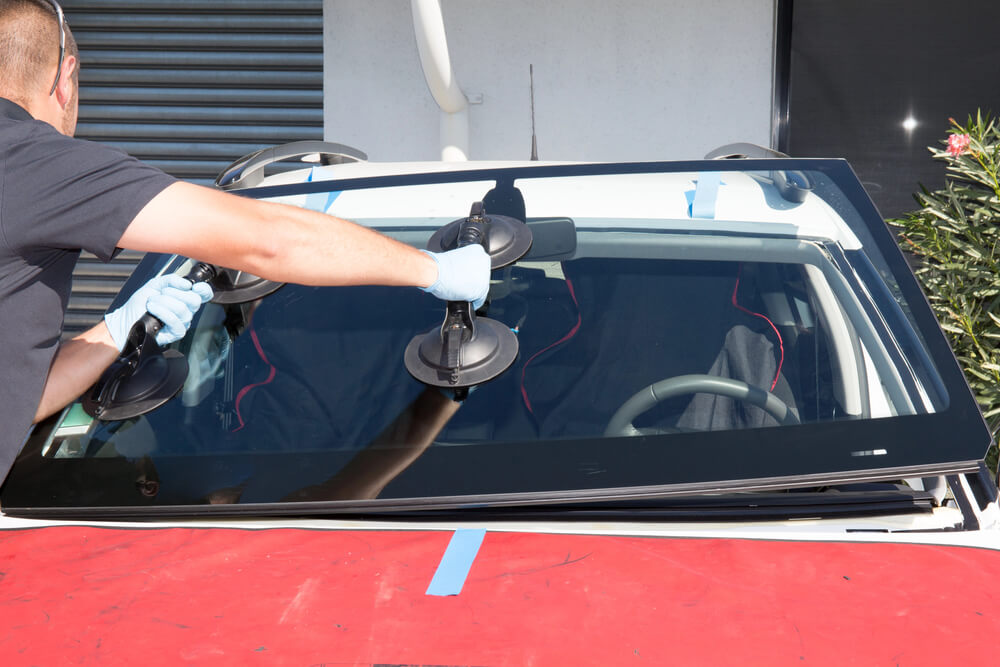
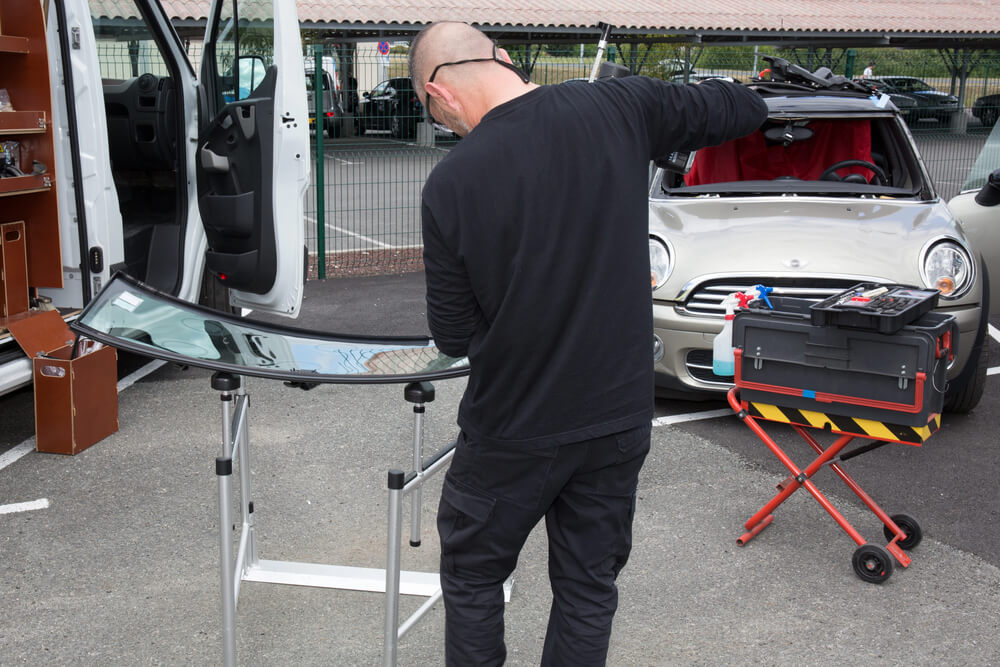
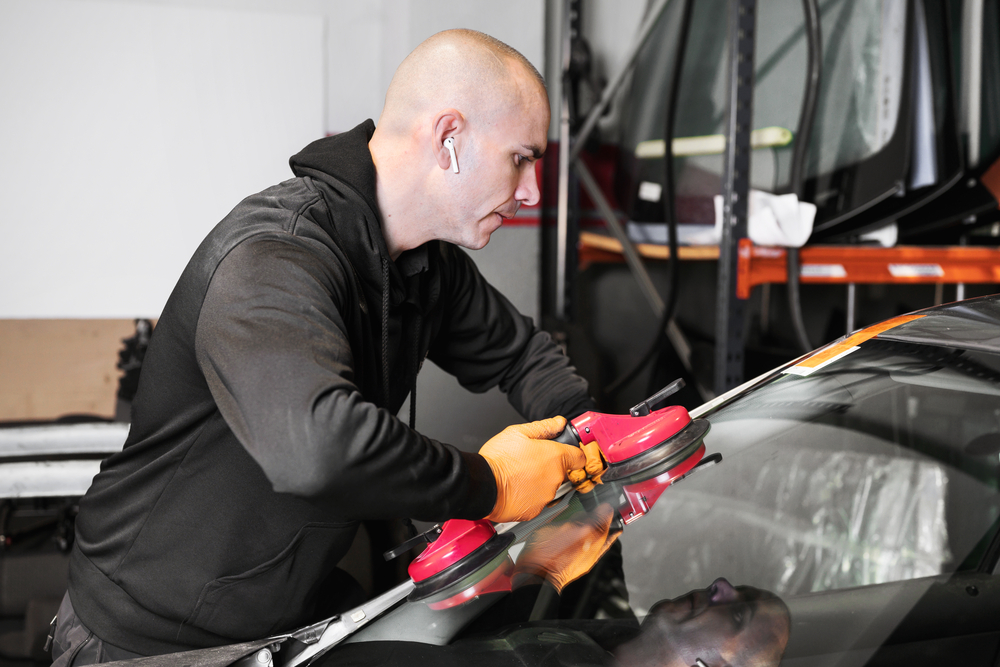
If water is getting past the glass bond, the windshield may need to be removed and reinstalled correctly, or replaced if it is cracked, damaged, or cannot be safely removed. Professional technicians inspect the glass, bonding area, trim, and body opening before recommending this level of work. The goal is not to sell a replacement when a trim repair will do, but to avoid a shortcut that leaves the leak unresolved.
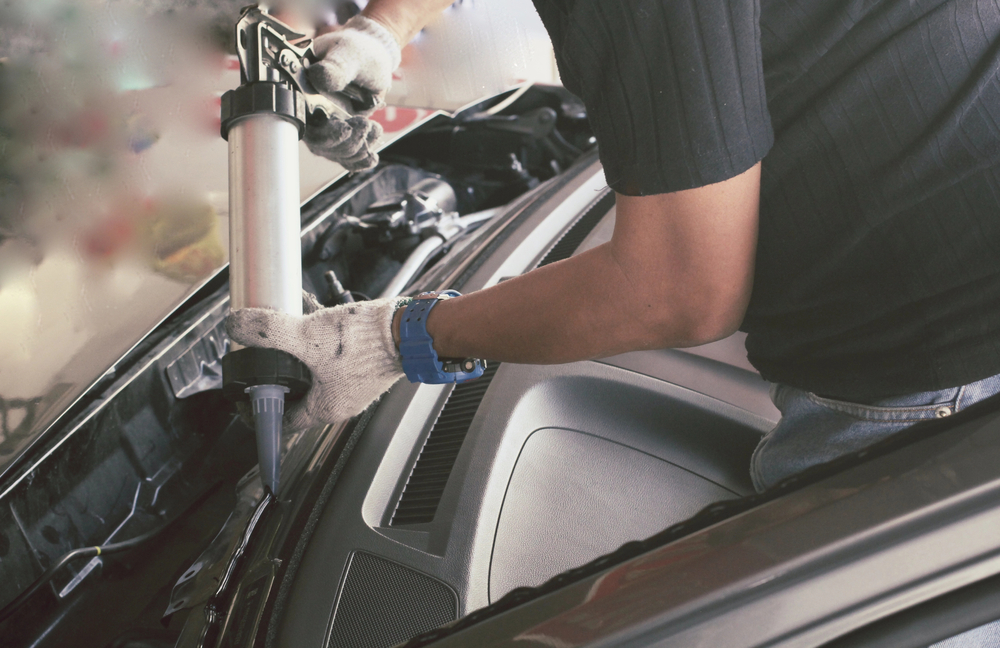
Resealing has limits. Adding sealant around the outside of a windshield may temporarily reduce water intrusion, but it can trap moisture, look messy, and make later repairs harder. More importantly, surface sealant cannot correct poor adhesive coverage, corrosion, or a damaged windshield channel. A proper repair addresses the failed component beneath the visible edge.
For vehicles with cameras or driver-assistance features, windshield replacement can also require calibration after installation. Lane departure warning, forward collision alert, and automatic emergency braking systems may rely on a camera mounted near the windshield. This is one more reason to treat a windshield issue as a complete glass-and-safety service, not just a trim job.
What You Can Do Before Service
You do not need to take apart the molding to help identify the problem. After rain, note where you see water, whether the vehicle was parked or moving, and whether the leak started after glass work or an accident. A short video of a loose molding or a photo of water marks can also help explain the issue.
Avoid pulling hard on the weatherstrip. A brittle piece can tear, and removing trim without the right tools can break clips or scratch paint. If a loose section is flapping, limit high-speed driving when possible and arrange an inspection soon. Keep the area dry inside the vehicle to reduce odor and electrical damage.
If you are filing an insurance claim for windshield replacement after damage, ask whether related moldings, clips, and calibration are included in the estimate. The answer depends on your policy and the vehicle, but these details should be discussed before the work begins.
Get a Clear Answer Before Water Spreads
A windshield leak or loose molding rarely improves on its own. Auto Glass Garland can inspect the windshield, weatherstrips, and surrounding area to identify whether you need trim replacement, a leak repair, or a full windshield replacement. Mobile service can be especially helpful when driving the vehicle is inconvenient or the glass damage affects visibility.
If your vehicle has started whistling on the highway, collecting water near the dash, or showing gaps around the windshield, schedule service before the next hard rain turns a small exterior problem into an interior repair.