A new windshield should leave you feeling safer, not wondering what happens if a leak appears next week or a sensor stops working. This windshield replacement warranty guide explains what coverage usually means, what it may not include, and the questions North Texas drivers should ask before approving the job.
A warranty is not just fine print. It is one sign that a glass company stands behind its installation work. Still, warranty terms differ between shops, glass manufacturers, insurance policies, and vehicle makes. Knowing the difference helps you compare estimates based on more than the lowest price.
What a windshield replacement warranty usually covers
Most windshield replacement warranties fall into two separate categories: workmanship coverage and glass or parts coverage. They protect against different problems, and both matter.
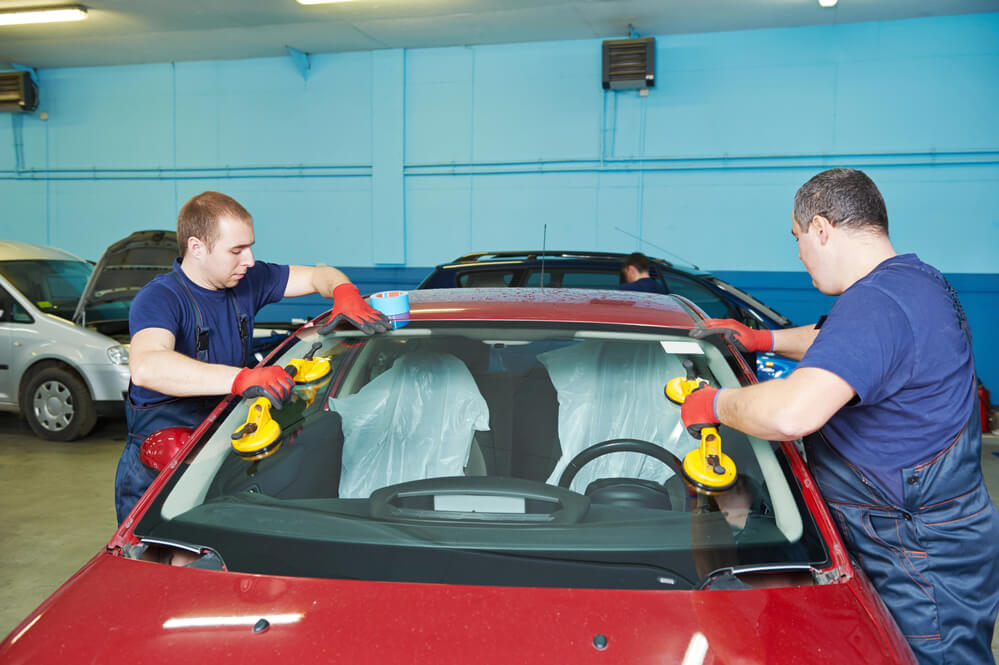
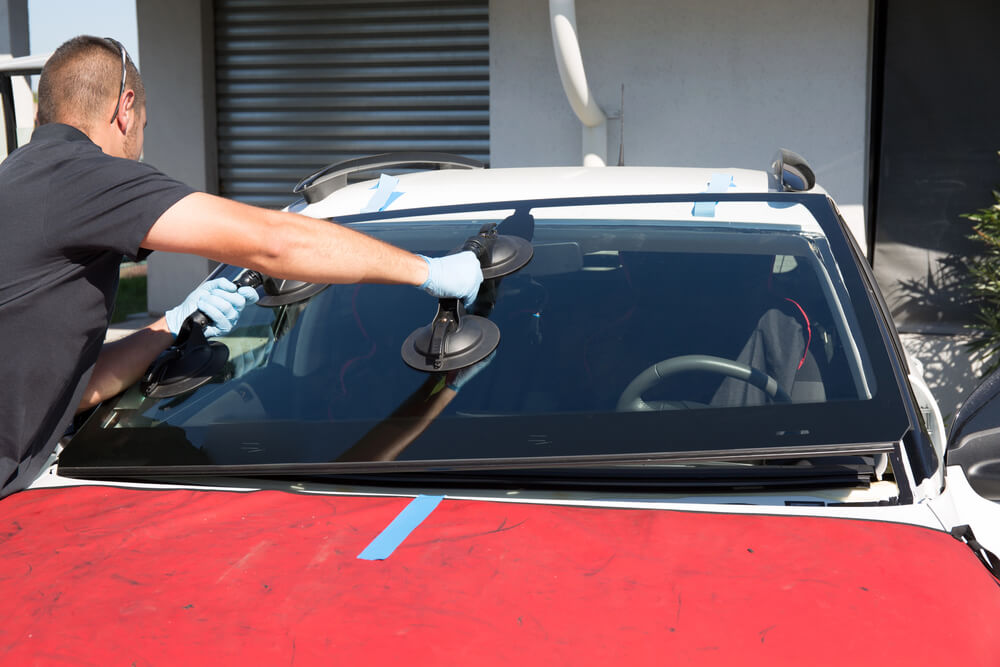
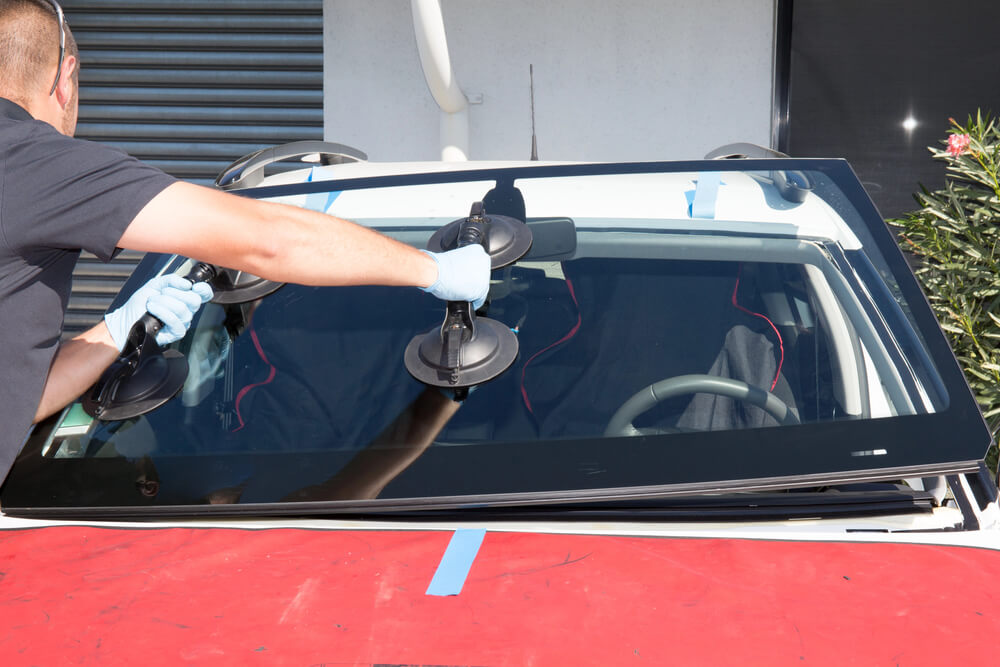
A workmanship warranty generally covers issues caused by the installation itself. That can include wind noise around the glass, water leaks, loose molding, or a windshield that was not properly bonded to the vehicle. If an installation-related issue shows up, the shop should inspect the vehicle and correct the problem according to its warranty terms.
Glass coverage addresses defects in the windshield material. A true manufacturing defect is uncommon, but it can happen. Distortion in the glass, delamination at the edges, or a defect that develops without outside impact may fall under the glass manufacturer's warranty. The installer can help determine whether the issue is an installation concern or a product concern.
For many drivers in Garland, Dallas, Plano, Richardson, and nearby communities, the most practical protection is a clear workmanship warranty. A windshield is part of the vehicle's safety structure. Proper preparation, adhesive application, placement, and cure time are not details to rush.
OEM, dealer, and aftermarket glass warranties
The type of glass selected can affect warranty terms and price. OEM glass is made to the vehicle manufacturer's specifications and may carry branding associated with the automaker. Dealer glass is often OEM or manufacturer-approved glass sold through a dealership. Aftermarket glass is produced by a third-party manufacturer and is designed to meet applicable safety standards.
Aftermarket does not automatically mean poor quality. It is often a reliable, more affordable option, especially when insurance coverage or a practical budget is the deciding factor. However, features such as acoustic layers, heads-up display compatibility, heating elements, rain sensors, and camera brackets need to match your vehicle correctly. Ask what glass is being installed and whether all original features will function as intended.
The glass maker may offer its own warranty, while the auto glass company provides a separate warranty on labor. Get both explanations in writing when possible. A lifetime workmanship warranty, for example, may sound broad but commonly applies only for as long as you own the vehicle and only to installation-related defects.
What a windshield warranty does not cover
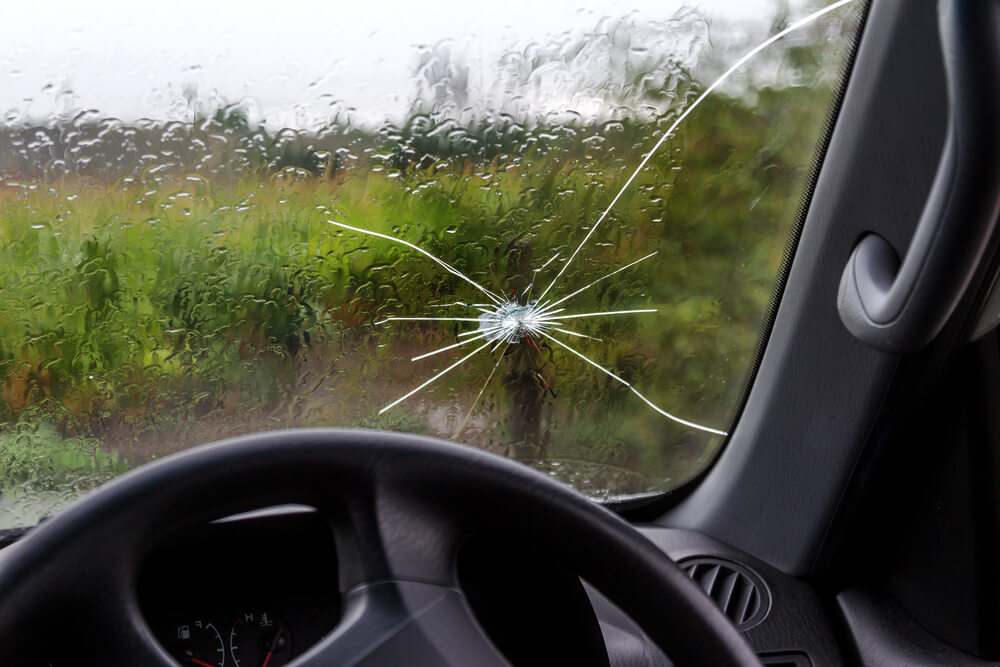
A replacement warranty is not the same as full glass insurance. It usually will not cover new road damage after the installation. If a rock hits the windshield on Central Expressway or a crack starts after a severe temperature swing, that is normally a new damage event rather than a warranty claim.
Most warranties also exclude damage caused by collisions, vandalism, improper vehicle repairs, rust around the windshield frame, or failure of parts unrelated to the glass installation. Existing body damage can affect the fit and seal of a windshield, particularly after an accident. A responsible installer should point out visible concerns before beginning work.
Be careful with broad phrases such as “lifetime warranty.” They can be valuable, but you need to know what lifetime means. It may mean the life of the installation, the period you own the car, or the stated life of a specific part. It may also require you to return to the original shop for an inspection before another shop performs repairs.
ADAS calibration needs its own discussion
Many newer vehicles use a forward-facing camera mounted near the rearview mirror. That camera supports advanced driver-assistance systems, often called ADAS, including lane departure warnings, lane-keeping assistance, automatic emergency braking, and adaptive cruise functions.
When the windshield is replaced, the camera's position can change by a very small amount. On vehicles that require calibration, the safety system may need static calibration, dynamic calibration performed during a controlled road drive, or both. This service is separate from simply reinstalling the camera bracket.
Do not assume calibration is included in every windshield quote. Ask whether your specific year, make, and model requires it, whether it is included in the price, and how completion is documented. A warning light is an obvious sign of a problem, but not every calibration issue produces one immediately.
Warranty coverage for ADAS can vary. A shop may warranty its calibration work, but it cannot reasonably cover a sensor failure caused by unrelated wiring, a prior collision, or a vehicle system fault. The key is having the system checked correctly at the time of replacement rather than treating calibration as an optional add-on.
Questions to ask before scheduling service
Before choosing a windshield replacement company, get direct answers about coverage. Four questions can prevent confusion later:
- What does your workmanship warranty cover, and how long does it last?
- Is the windshield covered separately for manufacturer defects?
- Does my vehicle require ADAS calibration, and is that included in the estimate?
- What do I need to do if I notice a leak, wind noise, or a warning light after service?
Also ask about safe drive-away time. Urethane adhesive needs time to cure before the vehicle can safely return to the road. Temperature, humidity, vehicle design, and the adhesive used can all affect that time. Mobile windshield replacement can be convenient at home or work, but the installer still needs a suitable, safe location and enough time for the adhesive to set.
A company that gives you a specific safe drive-away recommendation is taking the installation seriously. Do not let an urgent schedule pressure you into driving sooner than instructed.
How insurance affects warranty coverage
If you are filing a comprehensive insurance claim, the insurance company may cover eligible windshield replacement costs after your deductible. That does not remove your right to ask about workmanship protection, glass type, or calibration. The insurance process pays for the covered loss. The installation warranty addresses the quality of the completed work.
You may have options for repair facilities depending on your policy and insurer. A trusted local shop can often help verify coverage, explain the claim process, and provide the information your insurer needs. Insurance approval does not guarantee that every upgrade, such as OEM glass, will be paid in full. If your policy allows only equivalent replacement glass, you may be responsible for the difference if you request a higher-cost option.
Keep your invoice, warranty paperwork, and any calibration record after service. If a concern appears, those documents make it easier to identify the glass used, the service date, and the work performed.
Signs you should contact the installer
Call the shop promptly if you notice water entering the cabin, a whistle at highway speed, loose exterior trim, a windshield that appears to shift, or a new driver-assistance warning after replacement. Take a photo or short video if the problem is visible, especially after rain or a car wash.
Do not try to seal a leak yourself with household caulk or adhesives. That can make a professional inspection harder and may interfere with the original bonding materials. A good installer will want to inspect a possible warranty concern, determine the cause, and explain the next step clearly.
The same applies to a crack or chip that appears after service. Report it, but understand that the inspection may show fresh impact damage rather than a defect. That distinction is not a denial for the sake of it. It is how the shop determines whether the issue belongs under workmanship coverage, a manufacturer claim, or a new insurance claim.
Choose clear terms over vague promises
The best windshield replacement warranty is one you can understand before the work begins. Look for a provider that explains the glass choice, installation coverage, calibration needs, safe drive-away time, and claim process without making you chase answers.
At Auto Glass Garland, the goal is fast, reliable service without leaving customers in the dark about what happens after installation. If your windshield is damaged, ask for the warranty details upfront, follow the post-service instructions, and keep the paperwork in your glove box. That small step can make a future concern much easier to resolve.