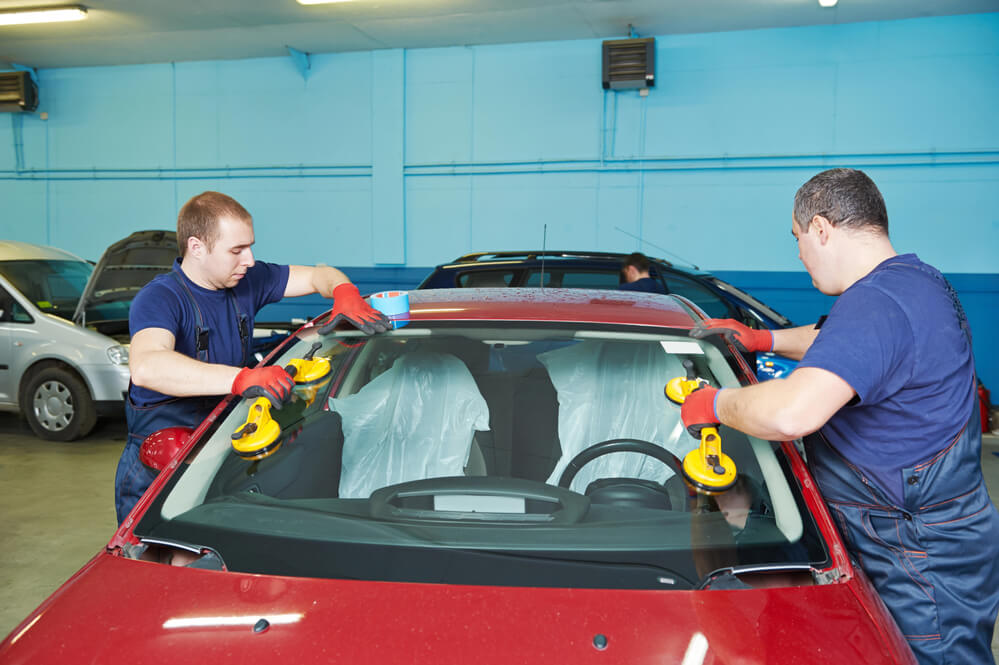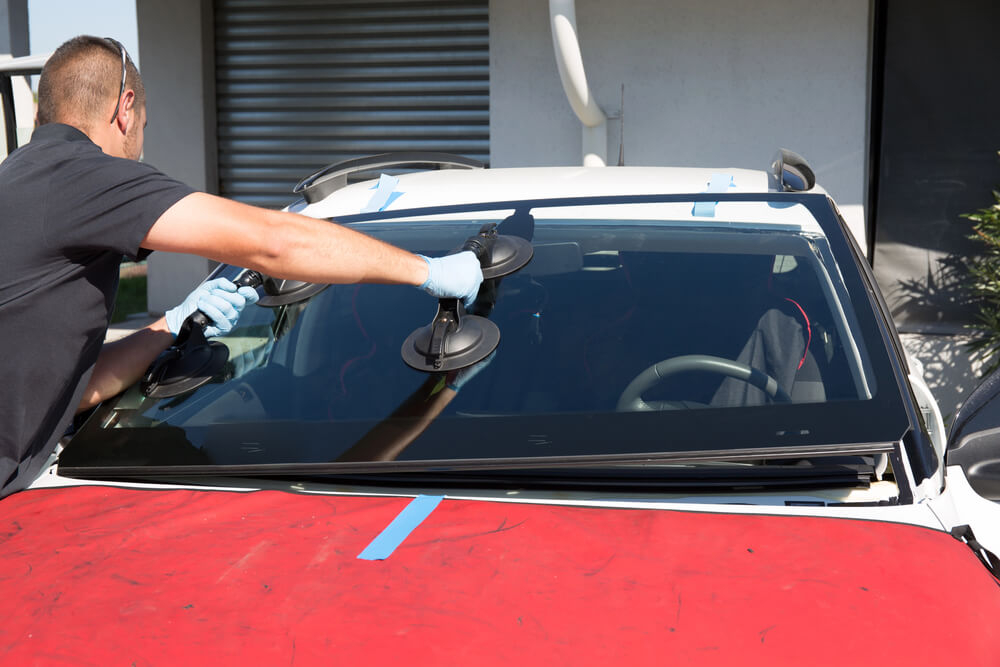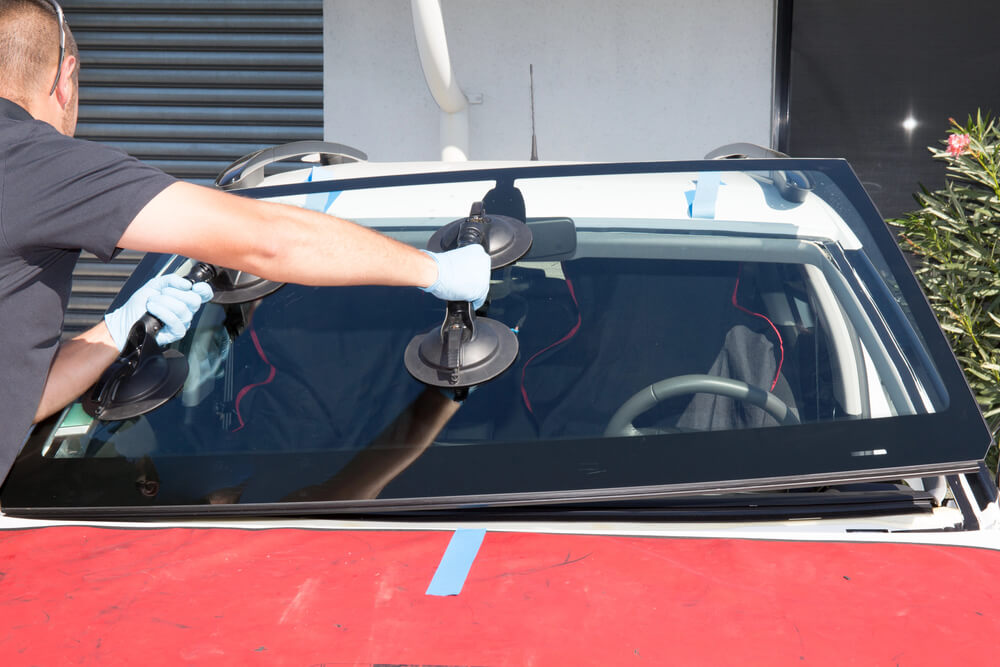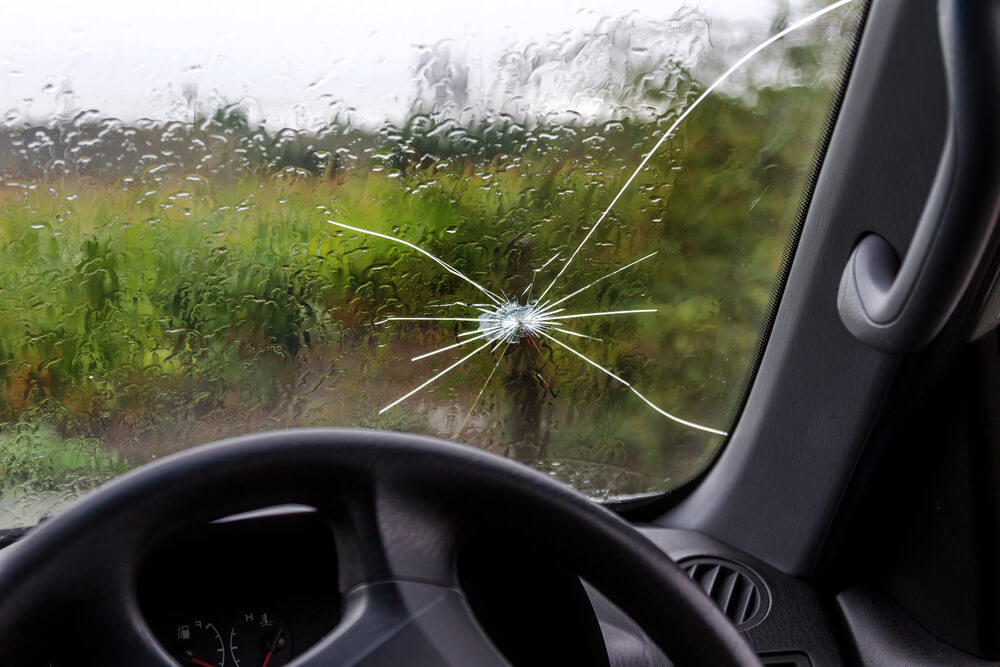

A new windshield can look perfect from the driver’s seat and still need a careful check before you get back to normal driving. A proper windshield installation review is not about hunting for problems. It is about confirming that the glass, adhesive, trim, and vehicle safety features were handled correctly so you can drive with confidence around Garland, Dallas, and North Texas.
Your windshield is more than a clear piece of glass. It helps support the roof in a rollover, gives passenger-side airbags a surface to deploy against, and often carries cameras or sensors used by driver-assistance features. That is why a replacement should be checked with the same care as the installation itself.
What a Good Windshield Installation Review Covers
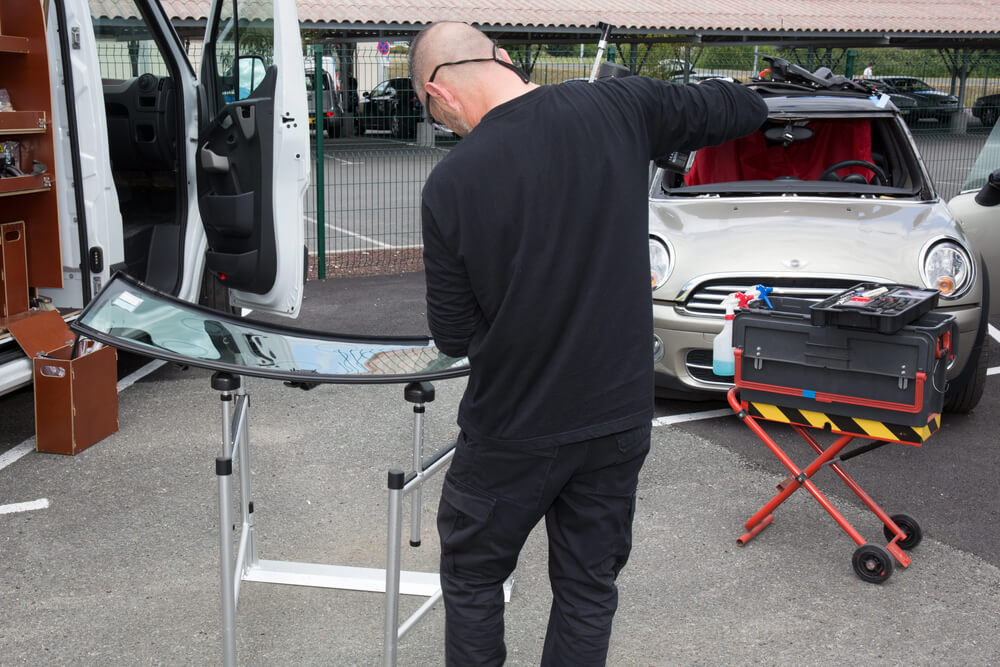
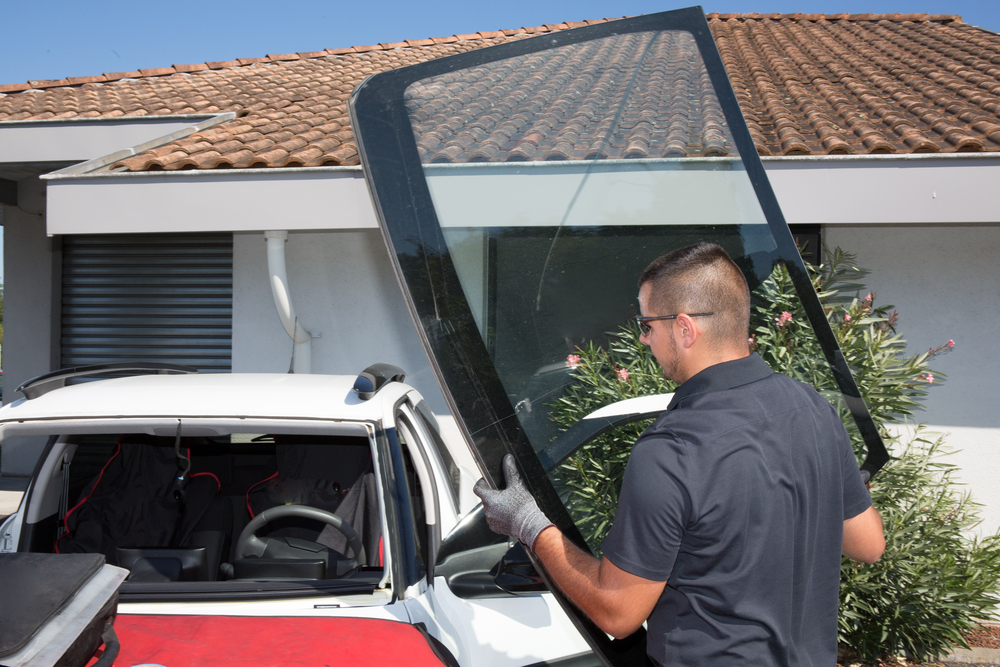
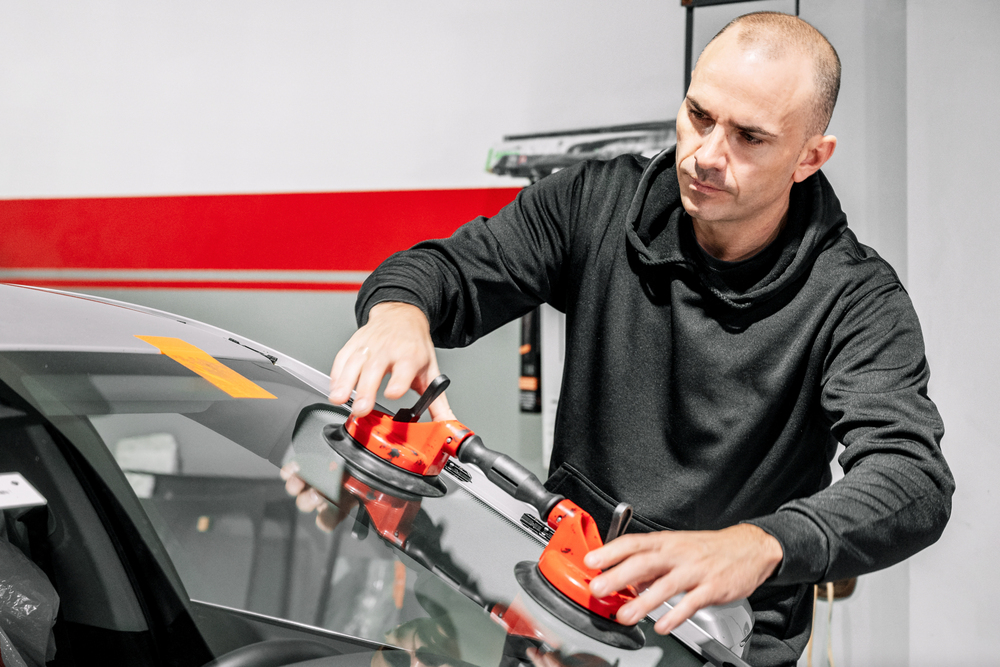
The first review starts before the technician leaves, whether the work is done at a shop or through mobile auto glass service. You do not need to know every technical detail. A reliable installer should explain what was replaced, what was inspected, whether calibration was needed, and when the vehicle is safe to drive.
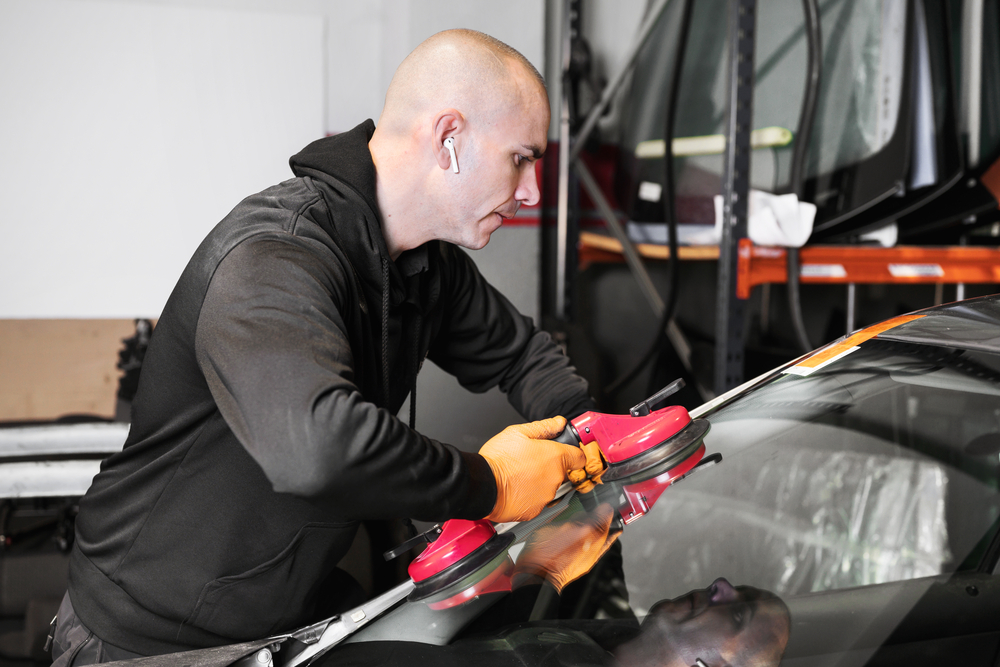
Start by looking at the windshield from inside and outside the vehicle. The glass should sit evenly in the opening, with consistent spacing along the roofline and both side pillars. The molding and trim should lie flat, without lifted corners, obvious gaps, or loose pieces that could catch wind or water.
A clean installation area also matters. Small amounts of dust can happen during any vehicle repair, but there should not be loose glass, heavy adhesive smears, damaged paint, or tools and materials left behind. If a windshield was replaced after a break-in or major impact, make sure the technician has removed glass from the dashboard, vents, door frames, and seats as thoroughly as possible.
Check the View Through the Glass
Sit in the driver’s seat and look through the windshield in normal daylight. The view should be clear and free of visual distortion in your primary driving area. Light reflections around the edges are not always a problem, but ripples, waviness, or a noticeable bend in straight lines deserve a closer look.
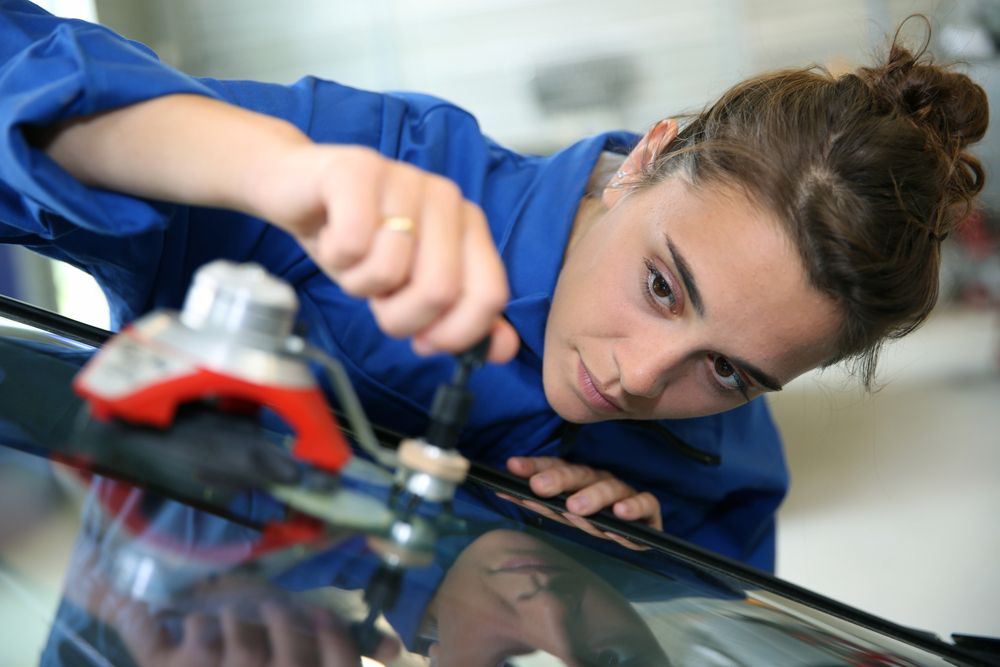
Also inspect the glass for scratches, chips, cracks, and marks from handling. New glass should arrive in good condition. A small manufacturer marking in a lower corner is normal. Damage in the viewing area is not.
If your vehicle has a rain sensor, heated windshield elements, a heads-up display, or an antenna built into the glass, ask the technician to confirm those features were connected and tested when applicable. Windshield options vary by vehicle, and the right replacement is not always simply the same shape of glass.
Fit, Trim, and Adhesive Are Safety Issues
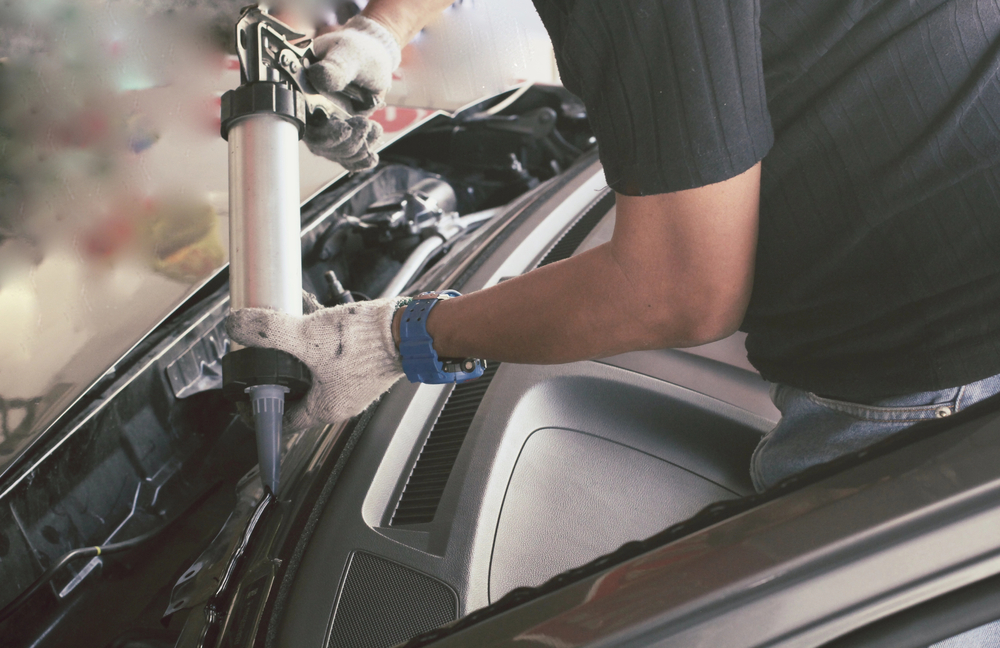
The bond between the windshield and the vehicle frame is created with automotive-grade urethane adhesive. This material needs proper surface preparation, the correct application method, and enough cure time before the vehicle can be driven safely.
Do not judge the adhesive only by whether you can see it. In fact, a heavy bead of exposed urethane around the windshield can be a sign of messy work rather than extra protection. What you want is a windshield that is seated correctly, sealed properly, and finished with secure molding or trim.
Look for trim that follows the windshield evenly. It should not bulge, flap, or leave exposed openings around the edge of the glass. On some vehicles, certain moldings are decorative while others help direct water and protect the installation area. Either way, they should be properly installed.
A small amount of adhesive odor may remain for a short time after replacement. Strong fumes that do not fade, visible wet adhesive, or adhesive on painted surfaces and interior panels should be brought up right away.
Safe Drive-Away Time Is Not a Guess
One of the most important questions in a windshield installation review is: When can I drive the vehicle? The answer depends on the adhesive used, outside temperature, humidity, and the vehicle itself.
In North Texas, heat can speed up some curing conditions, but that does not mean every installation has the same safe drive-away time. Cold weather, rain, and moisture levels can change the timeline. A professional technician should give you a clear recommendation based on the products and conditions at the time of service.
Until that time has passed, avoid slamming doors, rough roads, automatic car washes, and unnecessary driving. Pressure changes from forcefully closing a door can affect fresh urethane before it has cured. If the installer provides care instructions, keep them and follow them.
Camera Calibration Should Never Be an Afterthought
Many newer vehicles have Advanced Driver Assistance Systems, commonly called ADAS. A camera mounted near the rearview mirror may help operate lane departure warnings, forward collision alerts, automatic emergency braking, adaptive cruise features, and traffic sign recognition.
When the windshield is replaced, that camera may need calibration. The windshield can be physically installed correctly while the camera system still needs to be reset or aligned. Skipping that step can affect how accurately safety features read the road.
Ask directly whether your vehicle requires static calibration, dynamic calibration, or both. Static calibration is performed with targets and equipment in a controlled setting. Dynamic calibration typically requires a road drive under specific conditions. The correct process depends on the make, model, year, and installed safety equipment.
After service, watch the instrument panel. If a warning light appears for lane assist, collision warning, front camera, or related systems, do not ignore it. Contact the installer promptly. A trusted partner will explain the next step instead of asking you to assume the system is working.
Watch for Leaks and Wind Noise After Service
Not every problem appears while the technician is still parked in your driveway or at the shop. The next few days are a good time to pay attention to wind noise, moisture, and trim movement.
After the recommended cure time, listen during a normal drive. A loud whistle, rushing air sound, or new vibration near the windshield may point to an issue with molding, trim, or fit. Some road noise can come from weather stripping around doors or other existing vehicle conditions, so the cause should be diagnosed instead of guessed.
Rain offers a natural test, but you do not need to spray the windshield aggressively with a high-pressure hose. Check the headliner edges, dashboard, front floor area, and A-pillars for water after rain or a normal wash. A leak should be addressed quickly because trapped moisture can lead to odor, electrical concerns, or interior damage.
If you notice a problem, take a photo or short video when possible and contact the installer. Early communication makes it easier to inspect the concern and correct it.
Questions to Ask Before You Approve the Job
A dependable auto glass company should make the process easy to understand. Before the technician leaves, ask whether the glass is aftermarket or original-equipment equivalent, whether your vehicle required calibration, and what safe drive-away time applies.
You should also ask about warranty coverage for workmanship and any next steps if you notice a leak, wind noise, loose molding, or warning light. If insurance is involved, confirm whether there is anything left for you to provide to the carrier. Insurance claim assistance can take pressure off a stressful repair, but it is still smart to keep your claim information and final paperwork together.
Price matters, especially when a damaged windshield was unexpected. Still, the lowest quote is not always the best value if it leaves out calibration, uses an incorrect glass option, or rushes the cure process. A clear estimate should help you understand what is included before work begins.
When to Call the Installer Back
Call as soon as possible if you see water inside the vehicle, loose trim, a crack or scratch in the new windshield, excessive wind noise, or a safety-system warning light. Also call if the windshield appears uneven in the frame or if wipers hit the glass incorrectly after replacement.
Do not try to push trim into place, add household sealant, or adjust camera equipment on your own. Those quick fixes can hide the source of the problem and make a proper repair more difficult. Let a qualified auto glass technician inspect the installation.
For drivers who need fast, reliable help, Auto Glass Garland treats the final check as part of the service, not an extra step. A windshield replacement should leave you with clear visibility, secure glass, working safety features, and straightforward answers about what happens next.
Before your next commute, school drop-off, or drive across Dallas, take two quiet minutes to look over the new windshield and ask the questions that matter. The right installation should not give you one more thing to worry about.