
Headlights spreading into starbursts on I-635, a milky film in morning sun, or wipers that seem to smear every drop can make a windshield feel unsafe even when it has no obvious crack. Windshield haze removal is often a straightforward cleaning job, but not every cloudy windshield can be fixed with a bottle of glass cleaner. The right answer depends on what is causing the haze and whether the problem is on the inside, outside, or within the glass itself.
For drivers in Garland, Dallas, and nearby North Texas communities, clear visibility matters year-round. Summer heat bakes residue onto glass, construction dust settles fast, and sudden rainstorms expose every streak and worn wiper blade. Start with the simple checks, then know when haze is a sign that professional auto glass service is the safer move.
What Causes Windshield Haze?
Windshield haze is a broad term for any cloudy, streaky, oily, or dull layer that interferes with visibility. It can be especially noticeable at night, during sunrise and sunset, or when the windshield is wet. The source matters because a cleaner can remove some haze quickly, while other types point to damaged glass or a failing windshield component.
Interior haze is common in vehicles that sit in the Texas sun. Dashboard plastics, upholstery, air fresheners, and other interior materials can release a thin film that settles on the inside of the windshield. Cigarette or vape residue, fingerprints, and HVAC airflow can make that film worse. It may look clean in the driveway but become obvious as soon as sunlight hits it at an angle.
Exterior haze usually comes from road grime, hard-water spots, tree sap, insect residue, wax overspray, or oils transferred by old wiper blades. If the haze worsens in rain or after using the wipers, residue on the outside surface is a likely cause.
The more serious possibility is haze within the windshield. Windshields are made from two layers of glass bonded around a plastic interlayer. Age, moisture intrusion, edge damage, and past impact damage can sometimes create clouding or discoloration that cannot be wiped away. Fine scratches and pitting from sand and road debris can also scatter light and create glare.
A Quick Way to Find the Problem Side
Before buying products or scrubbing the glass, determine where the haze is located. Park safely in shade and wipe a small area on the inside with a clean microfiber towel. Then wipe a separate small area on the outside. Look through the glass from different angles.
If one test spot looks noticeably clearer, you have found the side that needs attention. If neither side changes and the cloudiness appears trapped between layers or looks like tiny permanent marks, cleaning may not solve it. A professional inspection can prevent you from spending time on products that cannot correct the issue.
Another useful clue is how the windshield behaves in rain. A greasy smear after every wiper pass usually points to contaminated glass, worn wiper rubber, or both. A dull, sparkly glare at night can be caused by pitting or fine scratching, especially on vehicles that see frequent highway miles.
Safe Windshield Haze Removal at Home
For removable film and residue, clean glass carefully instead of aggressively. Harsh scrubbing can add scratches, particularly if dirt or grit is still on the surface.
First, move the vehicle into shade and let the glass cool down. Cleaning a hot windshield causes product to dry too fast, which often leaves fresh streaks. Use a clean microfiber towel to remove loose dust from the dashboard and windshield frame before cleaning the interior glass. This helps keep dust from transferring back onto the glass.
Use an automotive glass cleaner or a simple ammonia-free glass cleaner on the towel rather than spraying heavily across the windshield. Too much liquid can run into vents, leave residue along the dash, and create more streaking. Wipe the inside glass in straight, overlapping passes, then follow with a second dry microfiber towel to buff it clear.
For the exterior, wash away loose dirt first. Then use a glass-safe cleaner and clean microfiber towels. If water spots or road film remain after normal cleaning, a dedicated automotive glass treatment may help. Follow the product directions exactly, and test a small area before treating the entire windshield.
Do not use abrasive household pads, razor blades, or rough paper towels on a dry windshield. These can scratch the surface, damage coatings, and turn a cleaning issue into a visibility issue. Avoid cleaners that leave a glossy protectant behind. They may make the windshield look good for a few minutes, but they can cause glare and smearing in rain.
Do Not Forget the Wiper Blades
A clean windshield and dirty wiper blades work against each other. Wiper rubber picks up road film, sap, and fine grit, then drags it across the glass every time it rains. That is why haze may seem to return right after you clean the windshield.
Lift the wiper arms carefully and wipe the rubber edges with a damp microfiber towel until the towel no longer picks up dark residue. Inspect the blades for splits, hardened rubber, bent frames, or uneven edges. If they chatter, skip, leave lines, or smear water, replace them.
Wiper replacement is a small expense compared with the visibility problems caused by poor blades. It also protects the windshield from unnecessary scratching. In North Texas heat, wiper blades can wear out faster than many drivers expect, so checking them regularly is worthwhile.
When Haze Will Not Clean Off
Some windshield haze is not surface contamination. If you have cleaned both sides thoroughly and the view remains cloudy, distorted, or overly reflective, the windshield may have permanent damage.
Fine pitting is a frequent issue for highway commuters and rideshare drivers. Thousands of tiny impacts from sand and road debris can leave the glass looking slightly frosted, particularly when facing headlights. The marks may be too small to notice individually, but together they reduce clarity.
Deep scratches can also scatter light. They may come from damaged wiper blades, improper cleaning, ice scraping, or debris trapped under the wipers. Polishing is not always the answer. Aggressive glass polishing can create optical distortion, and it cannot safely correct every scratch.
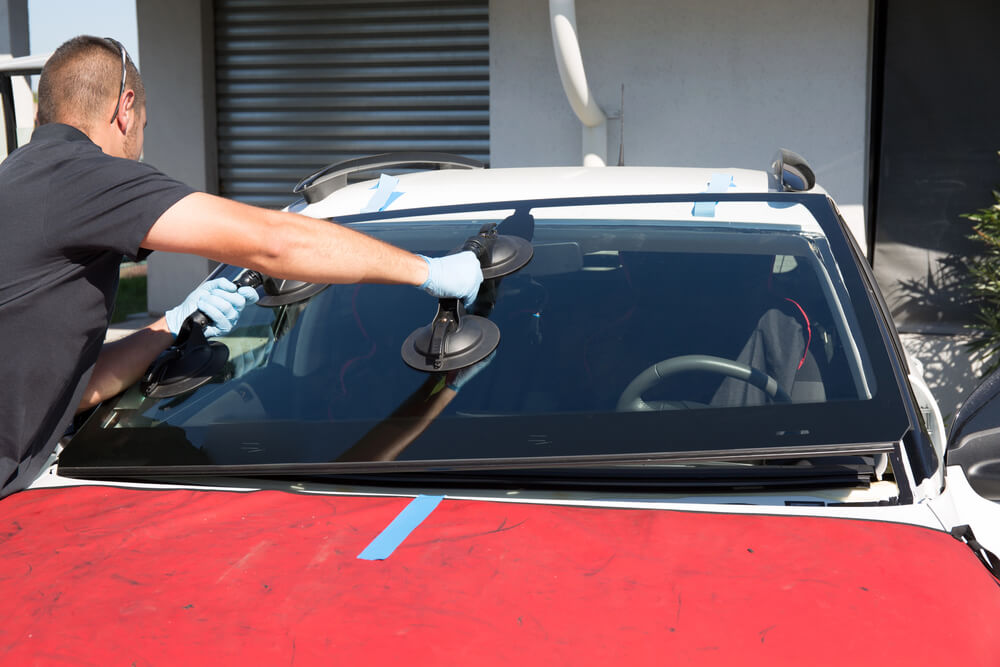
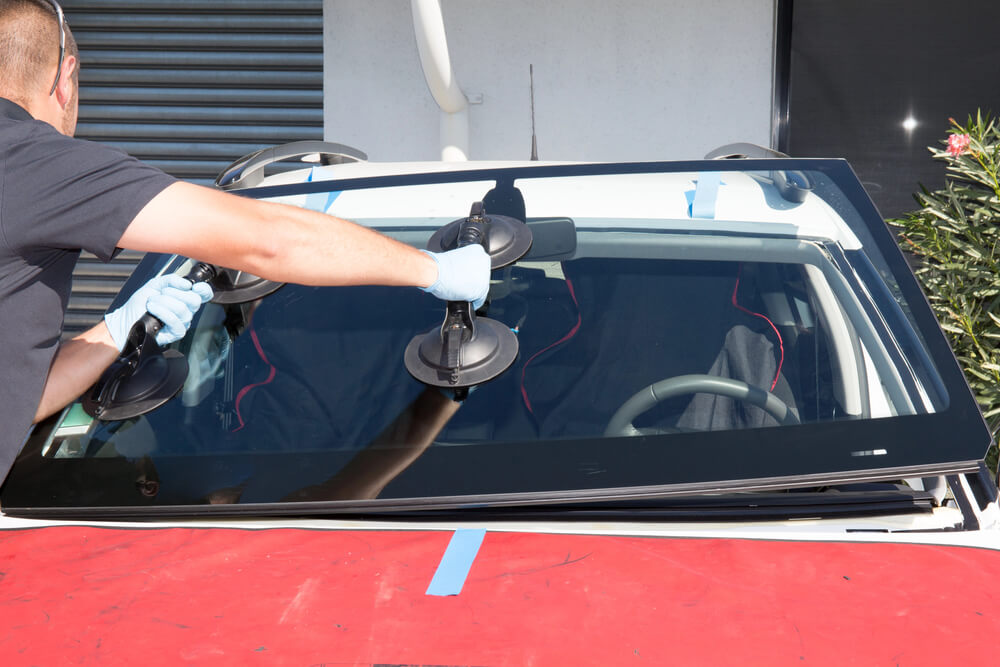
Cloudiness near the windshield edges, bubbling, milky spots, or visible separation between glass layers may indicate delamination. This is not a do-it-yourself cleaning problem. The windshield is part of the vehicle's safety system, supporting the roof structure and helping the passenger-side airbag deploy correctly in many vehicles. When glass condition affects visibility or structural integrity, replacement is usually the reliable solution.
When to Call for Auto Glass Help
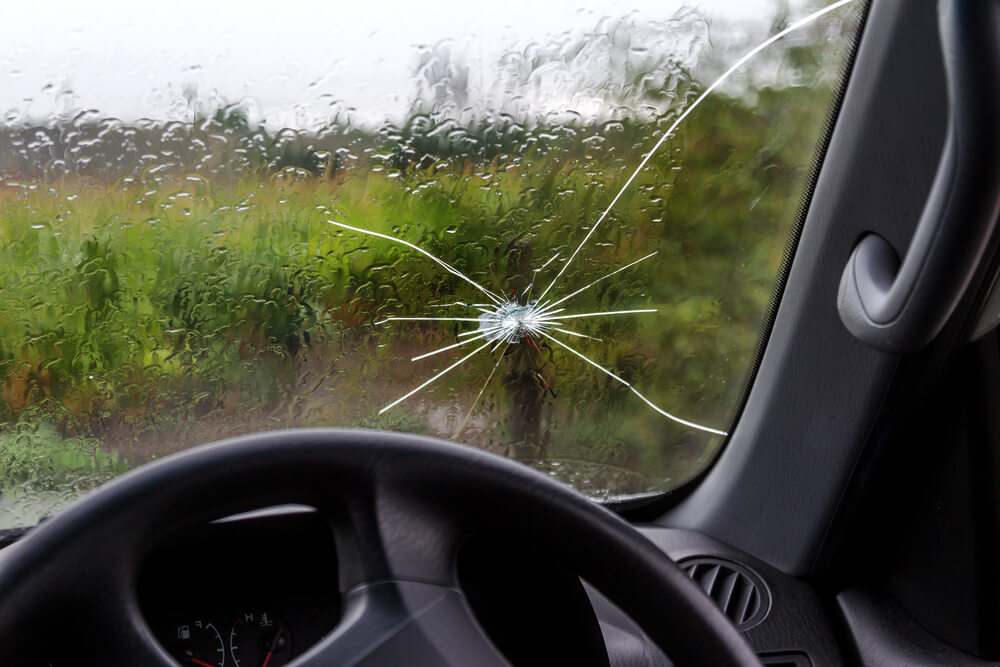
Call a trusted local auto glass provider when the haze persists after proper cleaning, gets worse in rain or at night, or appears to be inside the windshield. You should also have the glass checked if haze is accompanied by a chip, crack, edge damage, water leaks, or a loose windshield molding.
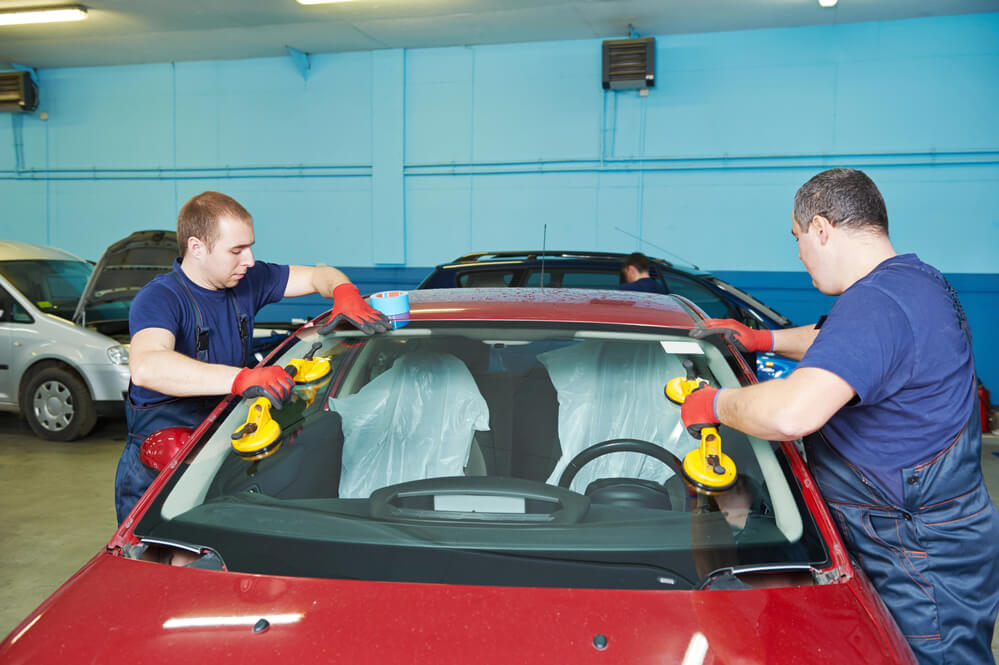
A technician can determine whether the issue is surface residue, wiper-related damage, repairable impact damage, or a windshield that needs replacement. That matters because a small chip may still be repairable, while a crack or internal clouding may require a new windshield to restore clear, safe visibility.
Mobile service can be especially useful when driving the vehicle feels unsafe or when a busy workday leaves little time for an in-shop visit. Auto Glass Garland helps local drivers get clear answers and reliable glass service without adding unnecessary hassle. If insurance coverage applies, claim assistance can also make the process easier.
Keep the Windshield Clear Between Cleanings
Prevention is mostly about reducing what gets dragged across the glass. Keep washer fluid filled, replace worn wiper blades promptly, and avoid running wipers over a dry, dusty windshield. After parking under trees or near construction, rinse away grit before using the wipers.
Clean the interior windshield whenever glare begins to build, not only when it looks visibly dirty. A fresh microfiber towel makes a bigger difference than most people realize. Reusing a towel that already contains wax, dashboard dressing, or oily residue is one of the fastest ways to create streaks.
Clear glass should not be something you notice only when a storm rolls in or headlights hit at night. If your windshield still looks cloudy after careful cleaning, treat it as a visibility concern and have it checked before the next drive makes the problem harder to ignore.