A windshield can look intact from across the parking lot and still have a serious problem inside its layers. Windshield delamination often starts as a cloudy edge, a whitish haze, or small bubbles between the glass layers. It may not look as urgent as a shattered windshield, but it can spread, reduce visibility, and affect the windshield’s ability to protect you in a crash.
For drivers in Garland, Dallas, and surrounding North Texas communities, heat, sudden temperature changes, and everyday road use can make windshield damage worse quickly. Knowing what you are seeing helps you avoid waiting until a manageable issue becomes an unsafe drive.
What Is Windshield Delamination?
Most modern windshields are made from laminated safety glass. They have two layers of glass bonded around a clear plastic layer, usually polyvinyl butyral, or PVB. That middle layer helps hold broken glass together during an impact and supports the windshield’s role in the vehicle’s safety system.
Delamination happens when the glass begins to separate from that inner plastic layer. The bond can fail near the outer edges first, allowing moisture, air, and contaminants to work between the layers. Instead of looking clear, the affected area may appear milky, foggy, rippled, or bubbled.
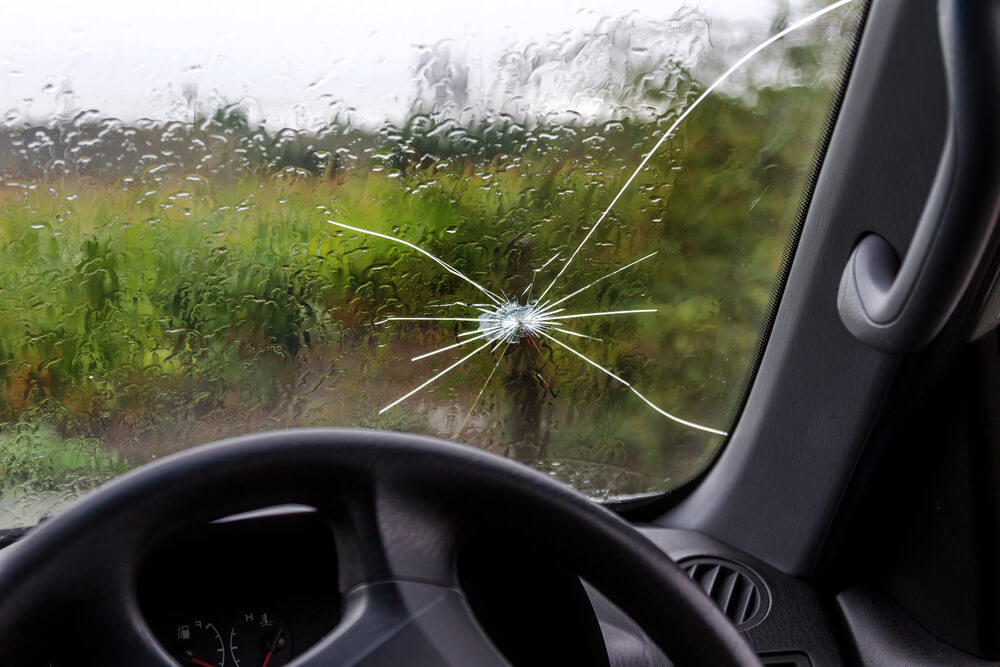
This is different from a regular windshield crack. A crack breaks through the glass itself. Delamination is a separation within the windshield construction, which means the damage cannot simply be filled like a small stone chip.
Common Signs of Windshield Delamination
The most common warning sign is a white or cloudy band around the perimeter of the windshield. It may begin in one corner or along the bottom edge and gradually move inward. Some drivers notice tiny bubbles that look trapped beneath the surface, while others see a distorted area that catches the light differently than the rest of the glass.
Pay attention if the windshield looks hazy even after it has been cleaned inside and out. Dirt, hard-water spots, worn wiper blades, and interior film can all affect visibility, but they sit on the surface. Delamination remains inside the glass and will not wipe away.
You may also see discoloration after heavy rain or a car wash. Moisture entering a weakened edge can make the separation more noticeable. In some cases, the damaged area expands during hot afternoons or after a rapid temperature change from blasting the air conditioner against hot glass.
Delamination Can Be Easy to Misidentify
Not every hazy windshield needs replacement for delamination. A failing window tint strip, oxidation on exterior trim, dashboard reflections, or damage to an aftermarket windshield coating can create a similar appearance. A trained auto glass technician can inspect the glass closely and determine whether the problem is on the surface, within the laminated layers, or caused by another issue.
That inspection matters. Replacing a windshield for a removable surface problem is unnecessary. On the other hand, treating true delamination like a simple cleaning issue can leave you driving with worsening visibility and compromised glass.
Why Windshields Delaminate
Windshield delamination can have more than one cause. Sometimes it develops because of age and long-term exposure. Texas sun places constant stress on auto glass, especially when a vehicle sits outside during summer heat. Repeated expansion and contraction can expose a weak bond over time.
Moisture is another common factor. If the windshield edge has been chipped, if molding is damaged, or if water has found a path into the glass layers, separation may begin or accelerate. A previous installation problem can also contribute when the glass, seals, or surrounding components were not properly fitted.
The original windshield’s manufacturing quality may play a role as well. In rare cases, a defect in the laminated glass or bonding process becomes visible later. Whatever started the issue, delamination typically does not reverse itself. Once the layers begin separating, the condition can continue to spread.
Is Windshield Delamination Dangerous?
It depends on the location and extent of the damage, but it should never be ignored. A small cloudy spot at the far edge may not immediately block your view. Even so, it is a sign that the windshield’s layers are no longer bonded as designed. If the separation moves into your line of sight, glare, distortion, and reduced clarity can make driving especially difficult at night or in rain.
The windshield also does more than keep wind and debris out of the cabin. It helps support the roof structure in a rollover and provides a backstop for airbag deployment in many vehicles. A windshield with damaged laminated layers may not perform the way the vehicle manufacturer intended during a collision.
Drivers should take immediate action if delamination is spreading toward the driver’s viewing area, causing noticeable distortion, appearing after impact damage, or occurring alongside cracks. Those conditions call for a professional inspection as soon as possible.
Can Windshield Delamination Be Repaired?
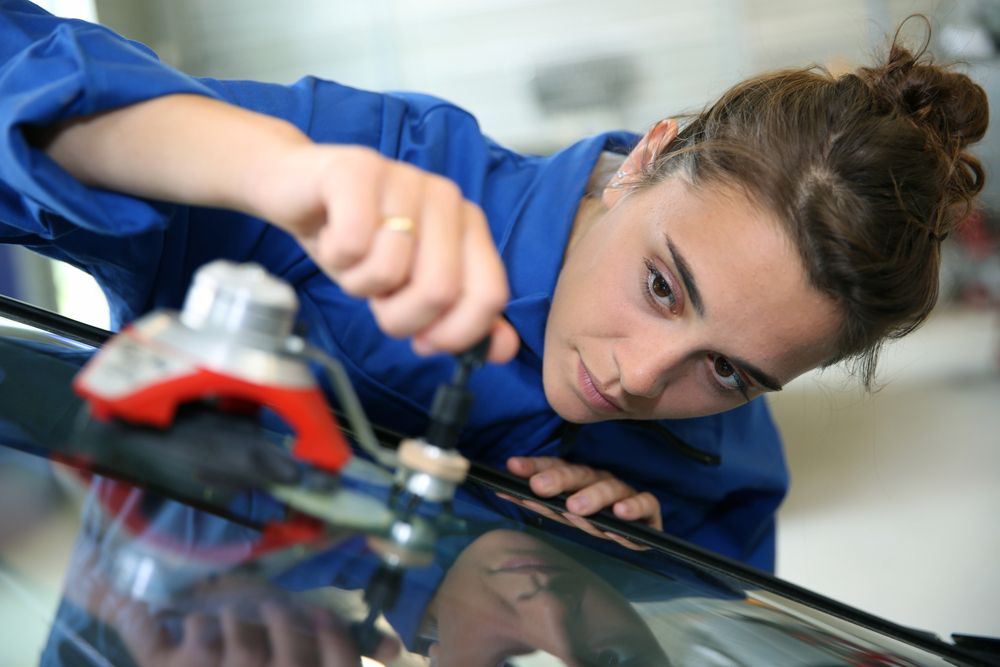
In most cases, no. Windshield repair resin is designed to fill certain chips and cracks in glass. It cannot reliably rebond the separated inner layers of a laminated windshield. Trying to inject resin into a delaminated area will not restore the original strength, clarity, or safety performance.
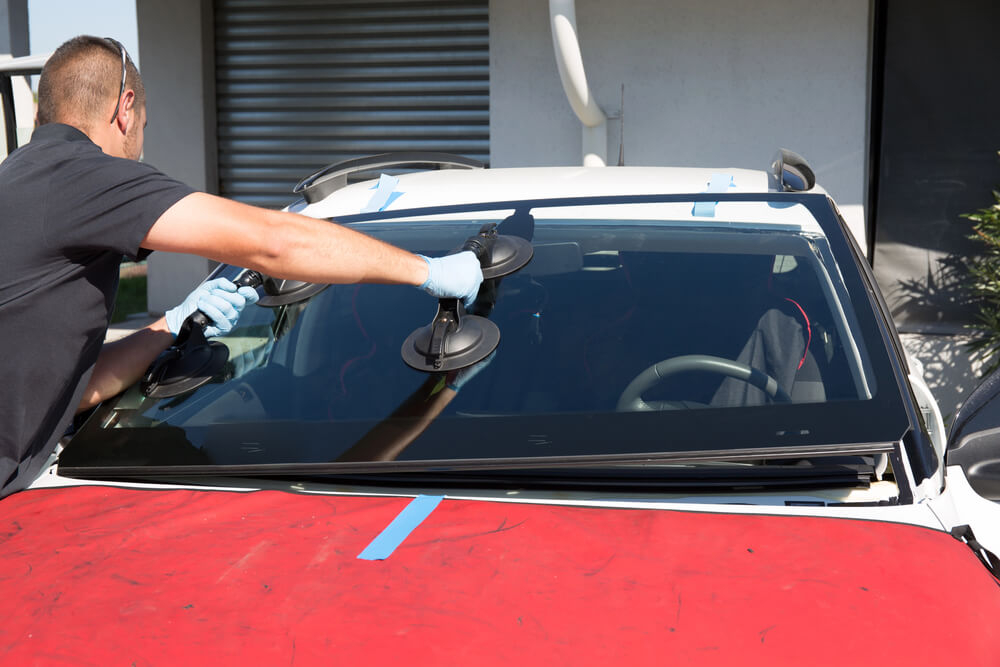
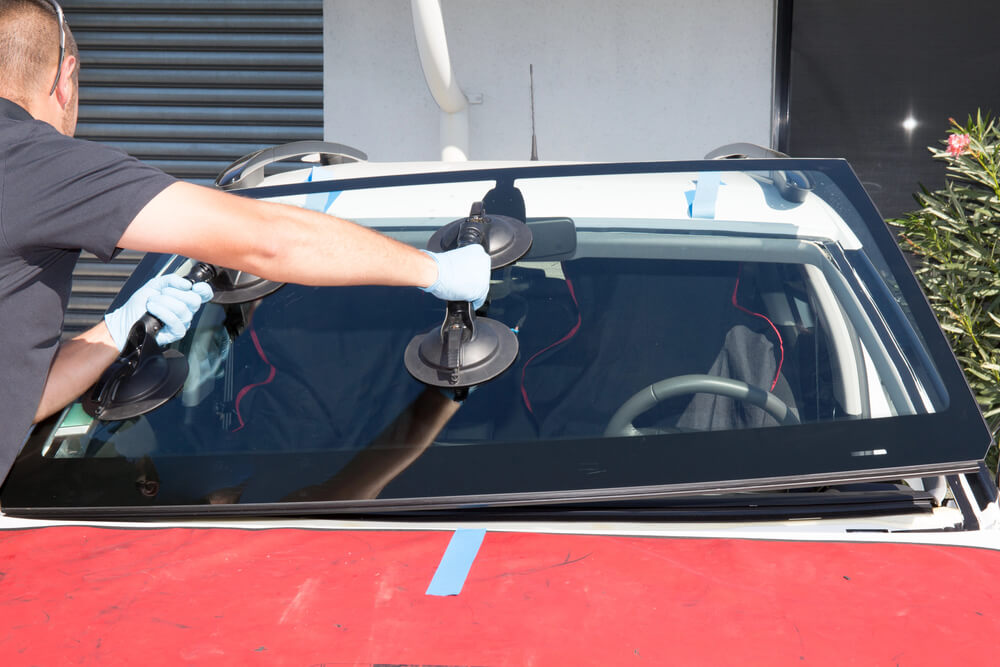
Windshield replacement is usually the correct solution when delamination is confirmed. A reliable replacement restores clear visibility and gives the vehicle a properly bonded windshield assembly. The exact approach depends on the vehicle, the size and location of the affected area, and whether the windshield includes cameras, sensors, heating elements, heads-up display features, or other technology.
What to Expect During Windshield Replacement
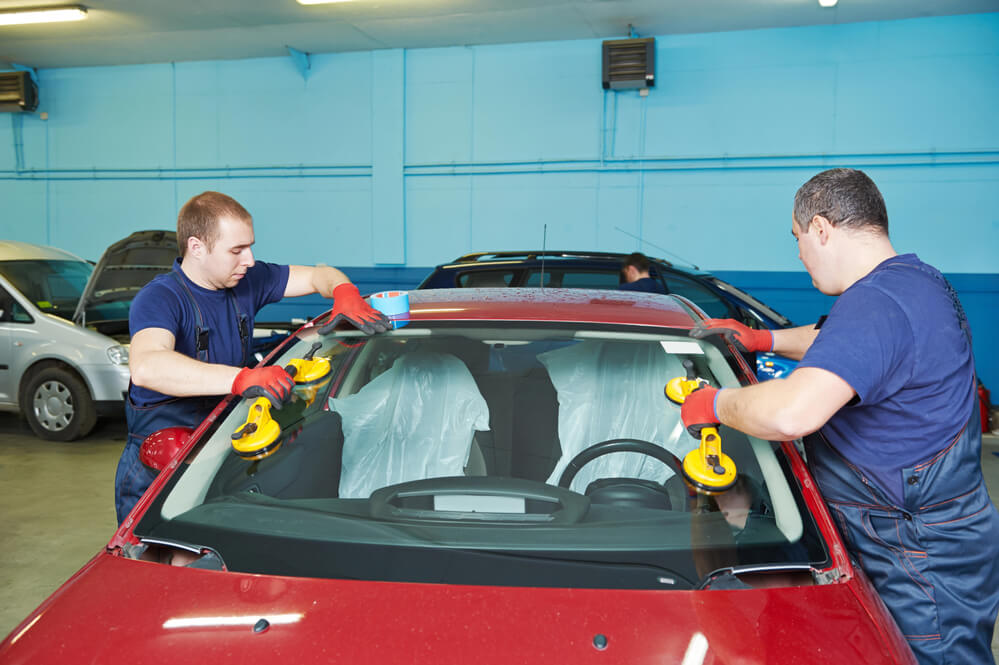
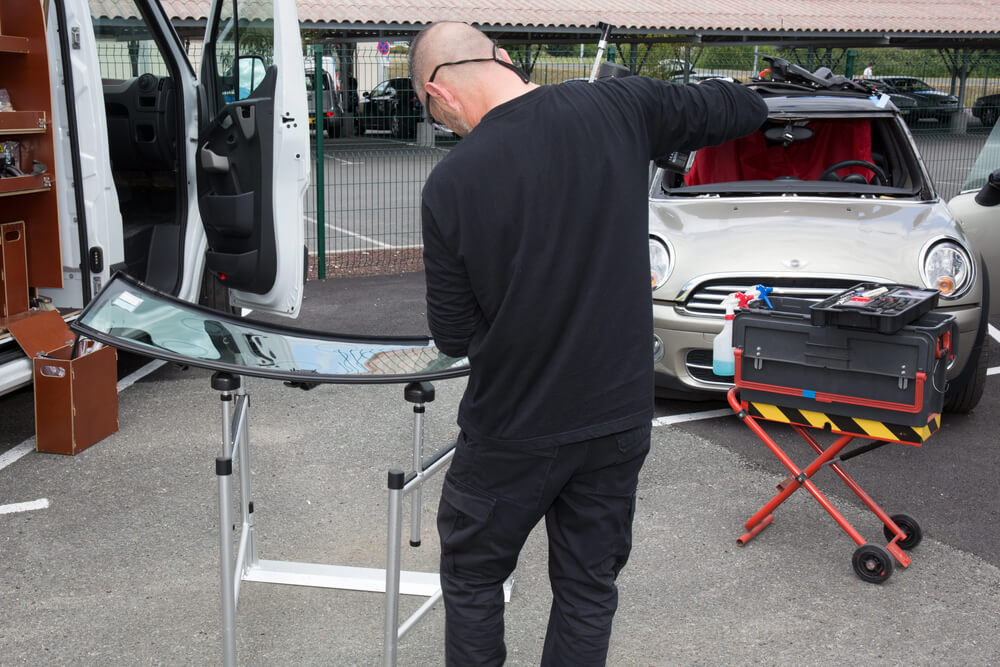
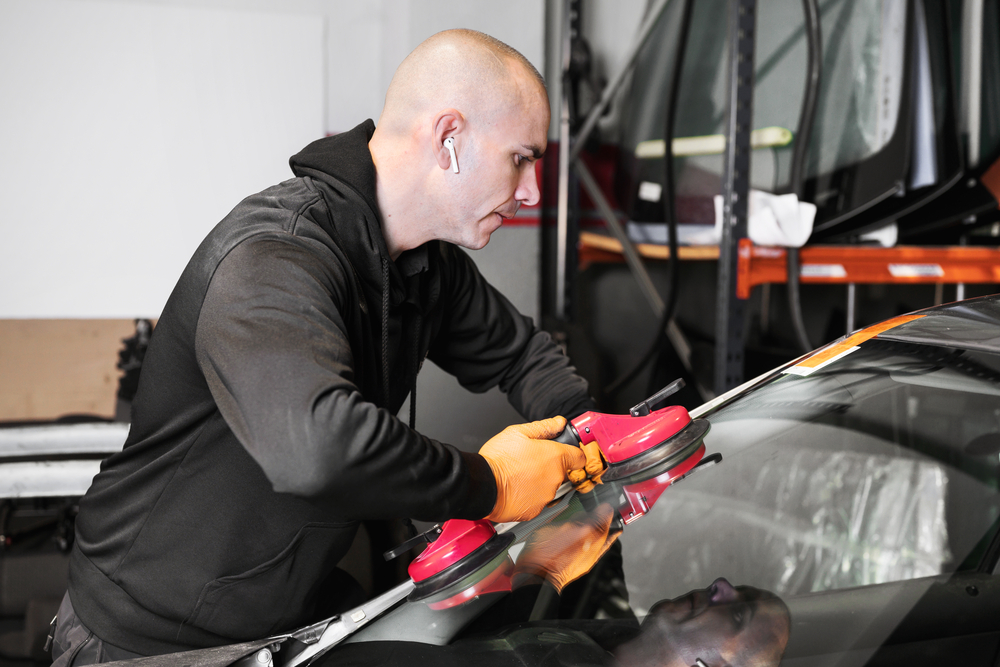
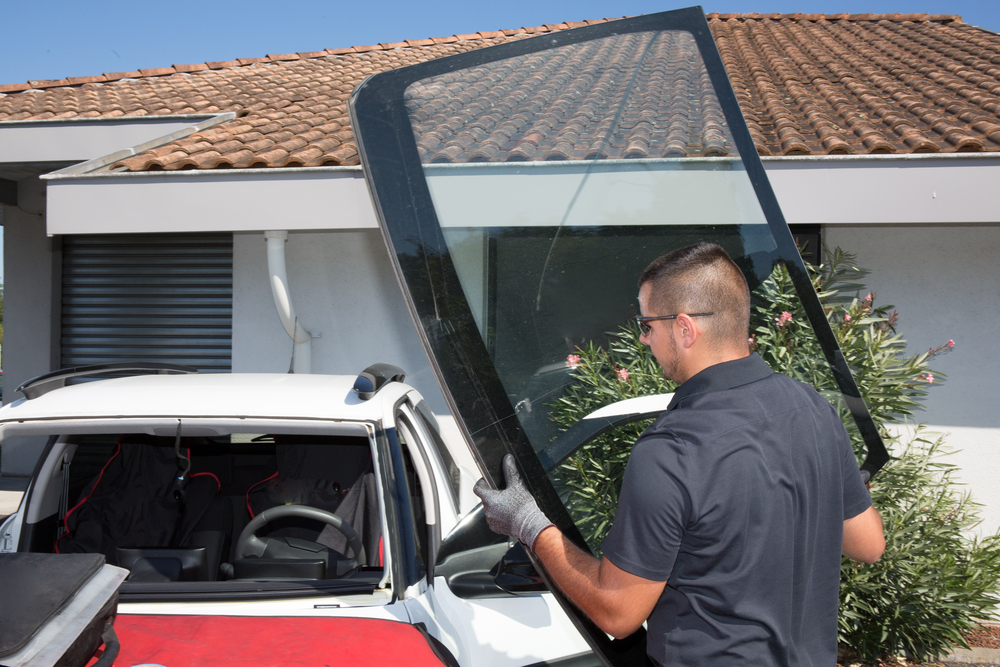
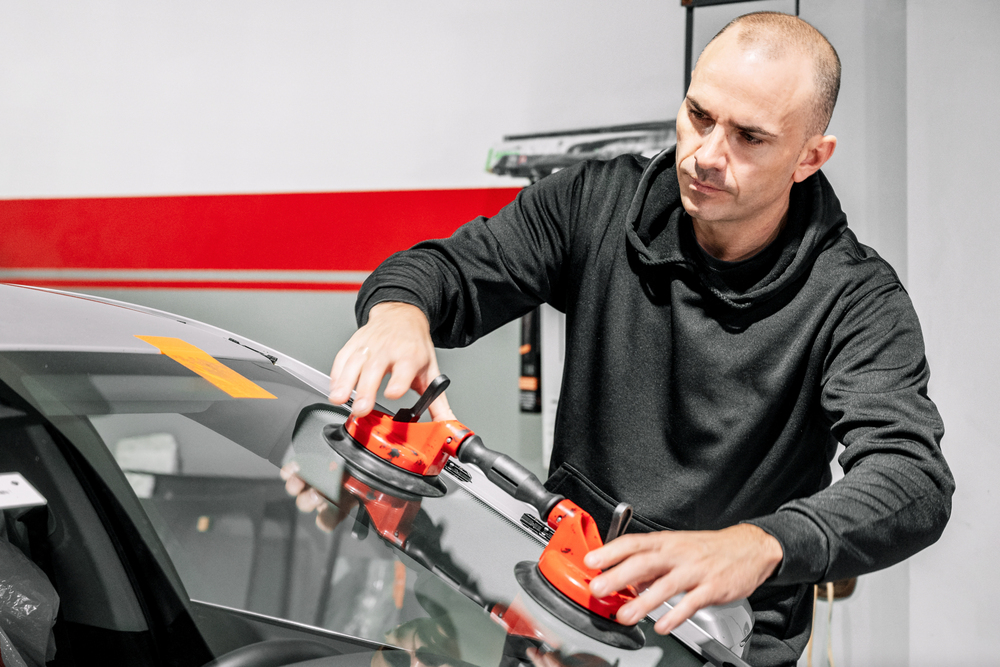
A professional technician first confirms that delamination is the source of the problem and checks the surrounding glass, moldings, and frame area. The damaged windshield is removed carefully, and the mounting surface is prepared so the new glass can bond correctly.
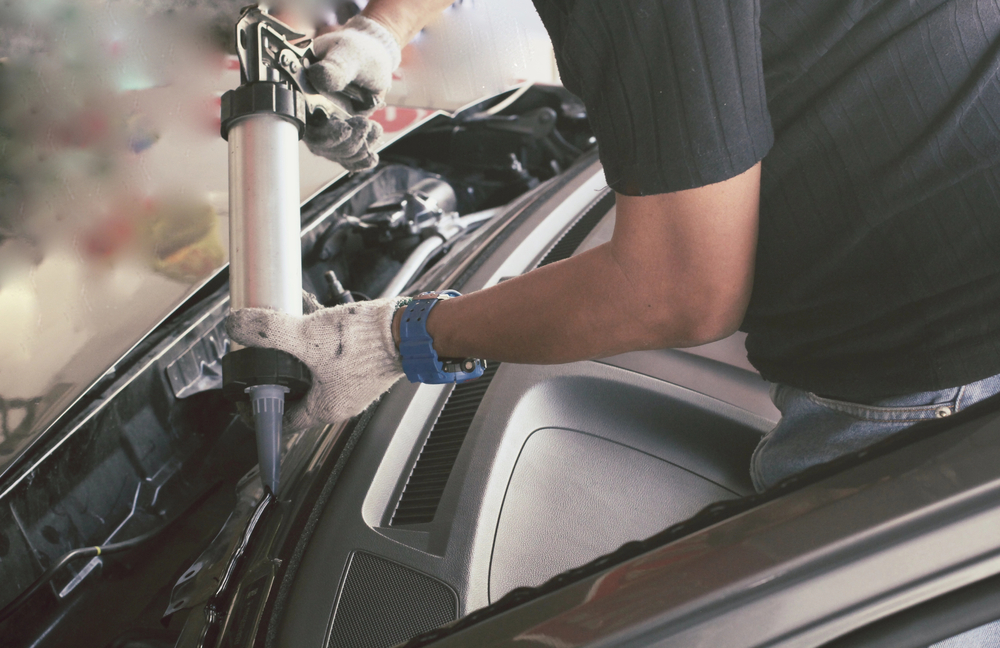
Quality installation matters as much as the replacement glass. The adhesive must be applied correctly and given the proper time to cure. Your technician should explain safe drive-away timing, which can vary based on the adhesive, temperature, humidity, and vehicle requirements. Do not rush this step just because the new windshield looks finished.
Many newer vehicles also need ADAS calibration after windshield replacement. Forward-facing cameras behind the glass can support features such as lane departure warnings, automatic emergency braking, and adaptive cruise control. If the camera position changes even slightly, calibration helps ensure those systems read the road accurately.
Mobile Service or In-Shop Replacement?
Mobile windshield replacement can be a practical option when your vehicle is parked at home or work and the weather allows for proper installation. It saves time for busy commuters, families, and drivers who cannot easily leave their vehicle at a shop.
An in-shop replacement may be the better choice during heavy rain, high winds, extreme temperatures, or when a vehicle needs more involved calibration. The right setting is the one that allows the technician to complete the work safely and correctly, not simply the fastest location available.
Do Not Wait for the Haze to Spread
If you see cloudy edges, bubbles between the layers, or a hazy area that will not clean off, arrange an inspection before the problem reaches your main viewing area. Take a clear photo of the damage, especially if it seems to grow after rain or heat exposure. That can also be helpful when discussing coverage with your insurance provider.
Auto Glass Garland provides fast, reliable windshield replacement and can help simplify the insurance claim process for drivers throughout Garland and nearby communities. The goal is straightforward: identify the issue, explain the right repair or replacement option, and get you back on the road with clear, safe glass.
A windshield should give you a clean view of the road without making you question what is happening inside the glass. When that clarity starts to fade, a prompt professional inspection is the practical next step.