
A rock hits your windshield on I-635, and the mark looks small enough to ignore. By the next hot afternoon in Garland, that small chip can become a crack running across the glass. A professional windshield chip assessment answers the question that matters most: can the damage be safely repaired now, or does the windshield need replacement?
The right answer depends on more than the chip's width. Its location, depth, pattern, age, and condition around the impact point all affect the repair decision. Getting it checked early is usually the fastest, least disruptive way to protect your visibility and avoid a larger auto glass problem.
What Happens During a Windshield Chip Assessment
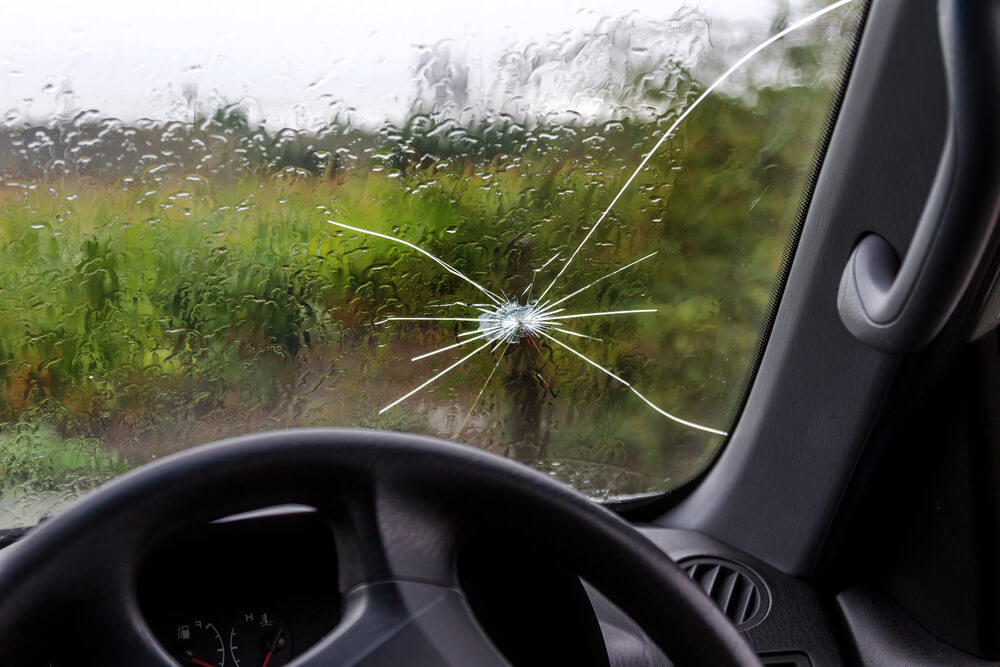
A technician starts by looking closely at the impact point and the surrounding glass. Chips come in several forms, including bull's-eyes, stars, combination breaks, half-moons, and small surface pits. A chip with short legs may still be repairable, while a similar-looking impact with a deep center or long cracks may not be.
The size of the break matters, but it is not the only factor. In general, smaller, contained chips have a better chance of being repaired. Once cracks spread away from the impact point, the repair decision becomes more cautious. Heat, vibration, potholes, door slams, and everyday driving can extend a crack without warning.
A proper inspection also checks whether the damage reaches the inner layer of the windshield. Windshields are made from two layers of glass with a plastic layer between them. Repair resin is designed to fill certain breaks in the outer glass layer. If the damage is too deep or the glass structure has been compromised, replacement may be the safer choice.
The technician will also look for dirt, water, and moisture inside the chip. Fresh damage is easier to repair cleanly because the break has had less time to collect contaminants. That does not mean an older chip cannot be repaired, but a repair may not look as clear after the resin is cured.
When a Windshield Chip Can Usually Be Repaired
Windshield repair is often a practical option when the chip is relatively small, the surrounding glass is stable, and the damage is away from critical viewing and safety areas. The goal is not only to improve appearance. A quality repair helps restore strength to the damaged section and lowers the chance of the break spreading.
Location is a major part of the decision. A chip near the outer edge of the windshield deserves extra attention because the edge is under more stress. Damage close to the windshield frame can weaken the glass more than a comparable chip in the center. A technician may recommend replacement even when the chip itself does not look large.
Damage directly in the driver's primary viewing area is another judgment call. A repair can leave a small visual mark, even when the structural result is solid. If that mark could interfere with a driver's view, replacement may be recommended for clear visibility and safe driving.
For many Garland and Dallas drivers, fast repair makes sense when the chip is new and contained. It is commonly quicker than replacement, may cost less, and can help preserve the factory windshield. Insurance policies often cover chip repair with little or no deductible, though coverage depends on the policy.
Signs Replacement May Be the Safer Choice
Not every chip should be repaired. Replacement is often the more reliable solution when damage has developed into a long crack, reaches multiple areas of the windshield, sits near an edge, or affects the driver's line of sight. Multiple chips can also change the decision, especially when they are close together or the glass already has existing stress damage.
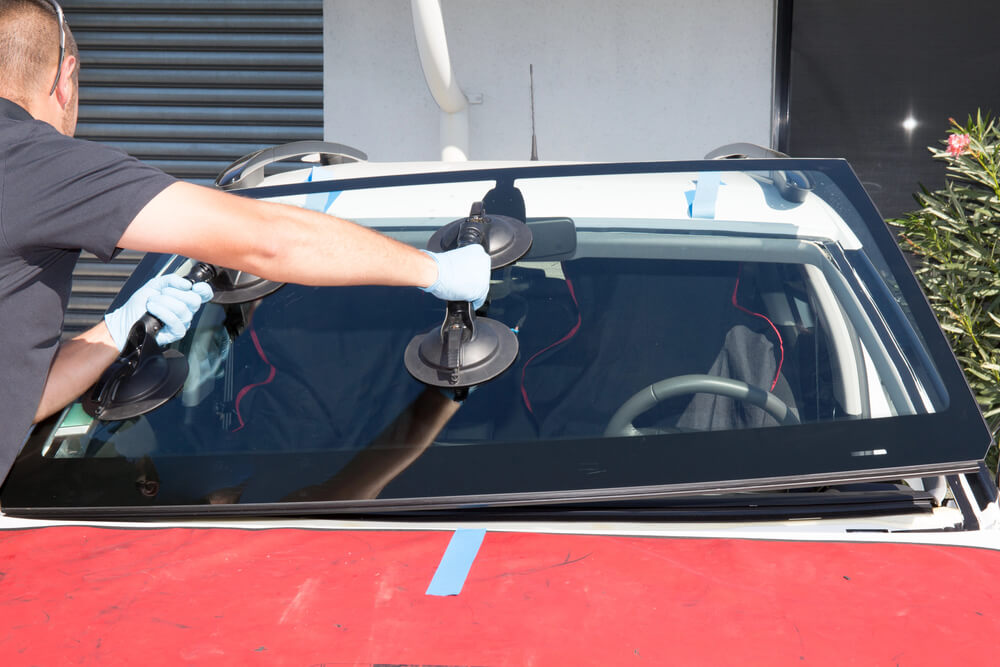
Modern vehicles add another consideration. Many windshields support advanced driver assistance systems, such as forward collision warnings, lane-departure alerts, or cameras mounted near the rearview mirror. If replacement is needed, the vehicle may require camera calibration after the new windshield is installed. The exact requirement depends on the vehicle and its equipment, but it is not a detail to skip.
A windshield is part of the vehicle's safety system. It helps support the roof during a rollover and provides a stable surface for passenger-side airbag deployment. That is why a repair decision should be based on the actual condition of the glass, not just on whether the chip seems small from the driver's seat.
What to Do Before Your Appointment
Do not poke at the chip or try to clean inside it with a sharp object. The best immediate step is to keep the break as clean and dry as possible. A clear windshield repair patch or a small piece of clear tape can help keep out moisture and debris until it can be inspected. Avoid placing tape on a hot windshield if possible, and do not press hard on the damaged area.
Try to avoid sudden temperature changes. In North Texas, a windshield can go from intense summer heat to cold air conditioning in minutes. During colder weather, defroster heat can create the same kind of stress. You do not have to stop using your vehicle, but gentler temperature changes can help reduce the risk of rapid crack growth.
Avoid high-pressure car washes and rough roads when you can. Neither one automatically turns a chip into a crack, but both add vibration or pressure to damaged glass. If the vehicle must be driven, keep an eye on the chip and schedule service as soon as practical.
Why Waiting Can Cost More
The frustrating part about a windshield chip is how easily it can change. A repairable chip can spread overnight after a cold front, a hard bump, or a day parked in the Texas sun. Once the break extends beyond repairable limits, replacement becomes the likely solution.
Waiting also allows contamination to settle into the damaged area. Dust, washer fluid, moisture, and road grime can affect the cosmetic result of a repair. A technician can still assess the damage honestly, but the best time to repair a chip is generally before it has been exposed for weeks or months.
The cost difference can matter as well. Repair is usually less expensive and often takes less time than replacing an entire windshield. Still, the right choice is never to force a repair where safety calls for replacement. A trusted technician should explain why they recommend one option over the other in plain language.
Mobile Service or In-Shop Service?
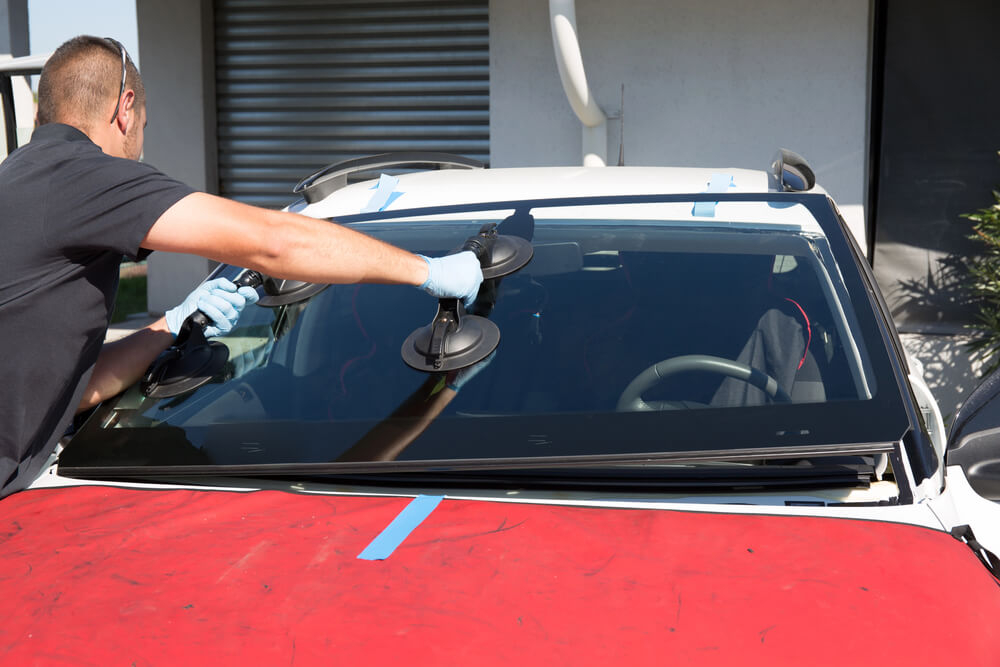
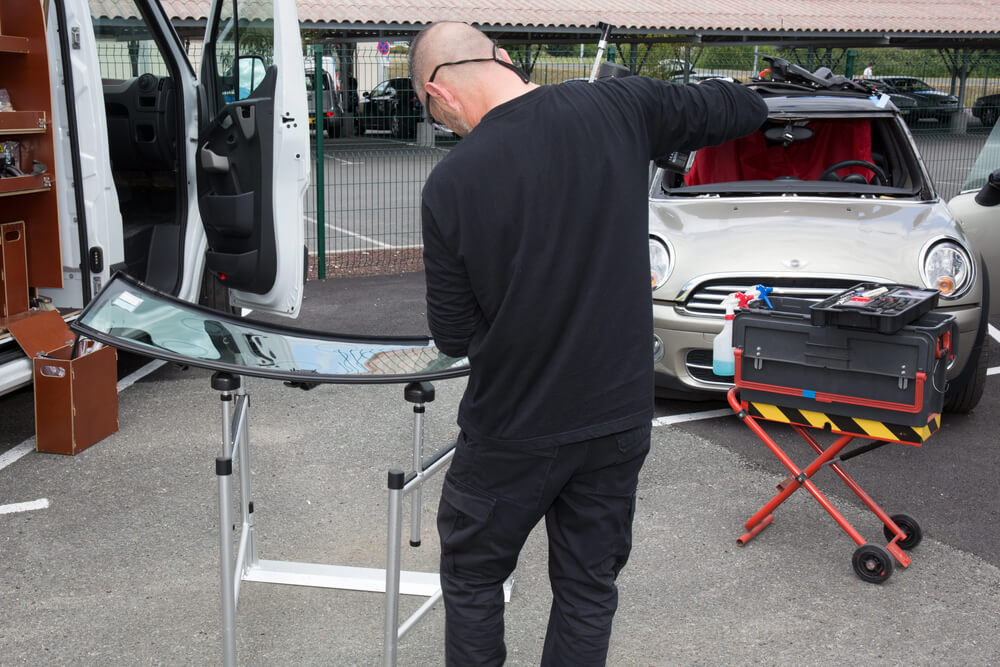
Both options can work well for a windshield chip assessment. Mobile service is convenient when your vehicle is parked at home, work, or another safe location in Garland, Dallas, Mesquite, Richardson, Plano, or nearby communities. It saves time when a busy commute, family schedule, or workday makes an in-shop visit difficult.
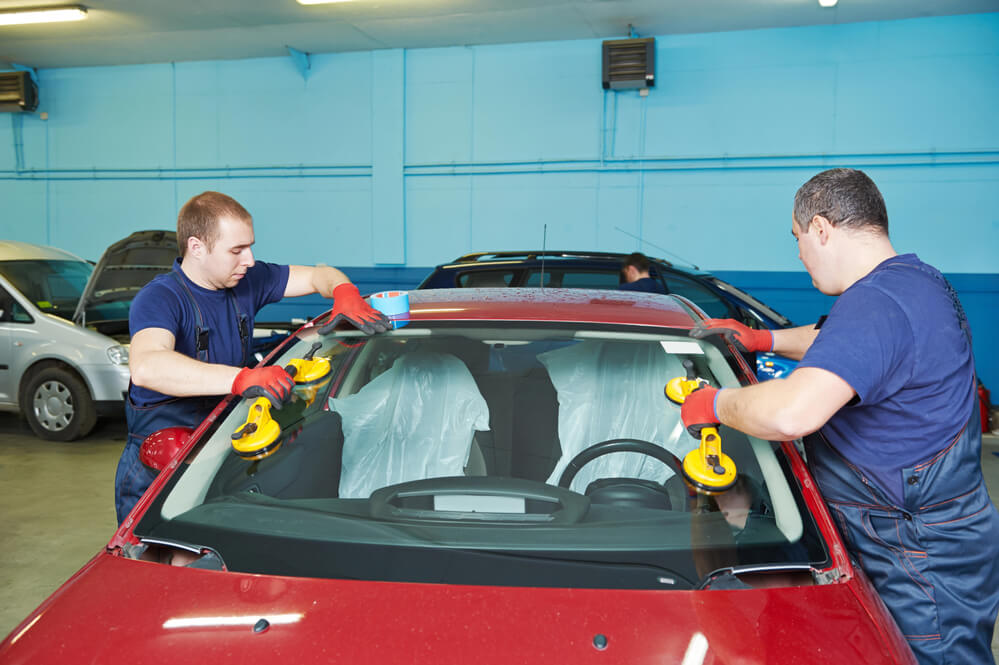
An in-shop appointment may be preferable when the weather is severe, the repair area needs a more controlled environment, or replacement and possible calibration are required. The best choice depends on the damage, your vehicle, and the conditions on the day of service.
Auto Glass Garland can inspect the damage and help you understand whether a fast mobile repair, in-shop repair, or windshield replacement is the appropriate next step. If insurance is involved, having the damage assessed early also gives you clear information before beginning a claim.
Get a Clear Answer Before the Chip Spreads
A chip does not always mean a new windshield, and a repair is not always the safe answer. The value of a professional assessment is getting the right call before a minor impact becomes a larger interruption to your day.
If you notice a fresh chip, protect it from moisture, avoid extreme temperature changes, and arrange an inspection promptly. A quick, reliable assessment can keep a simple repair simple and help you get back on the road with confidence.