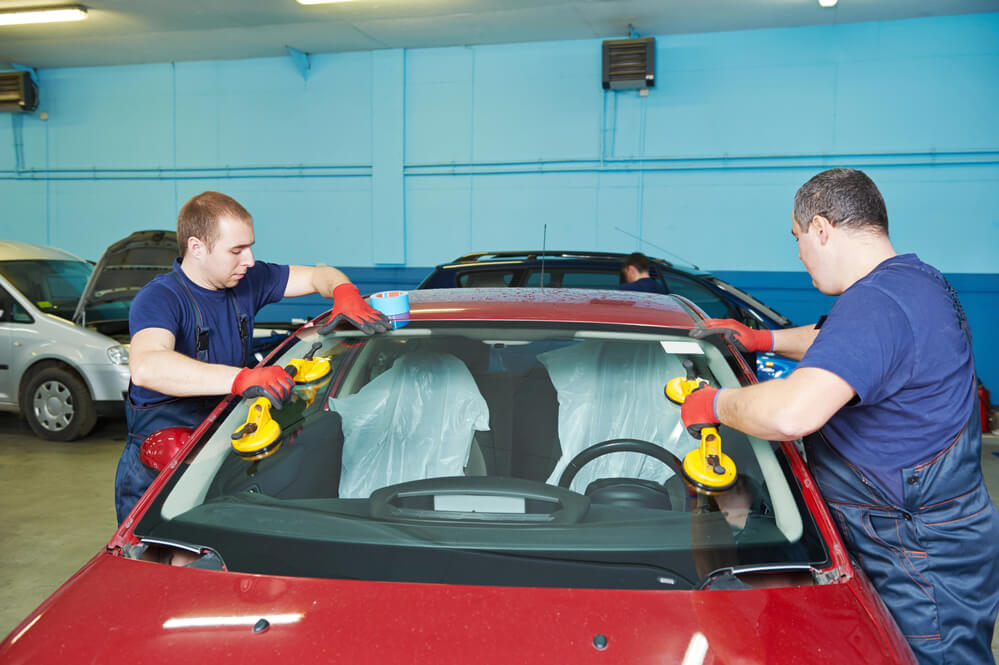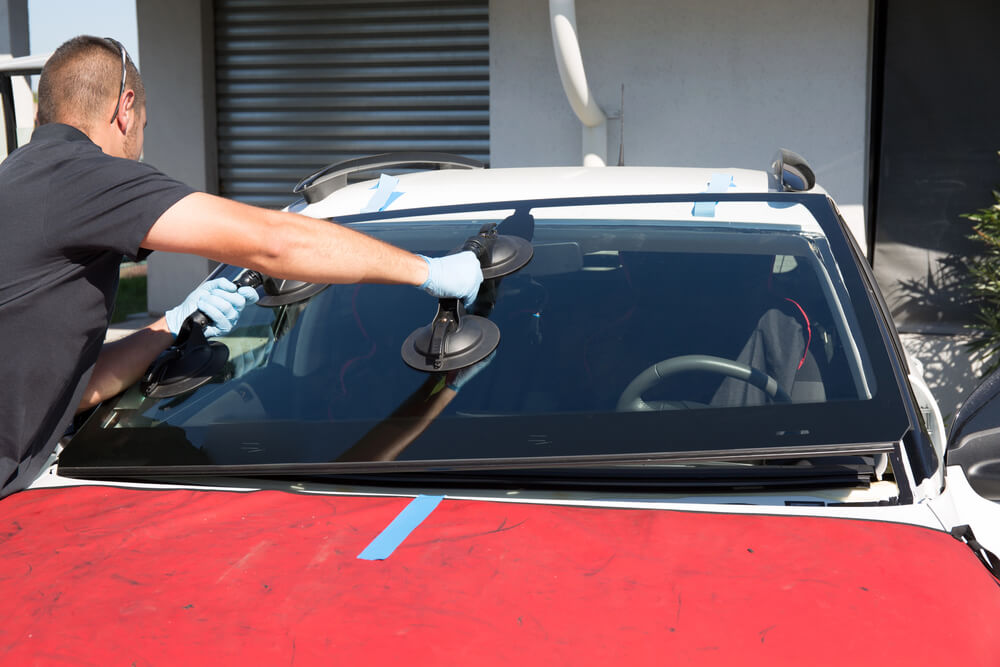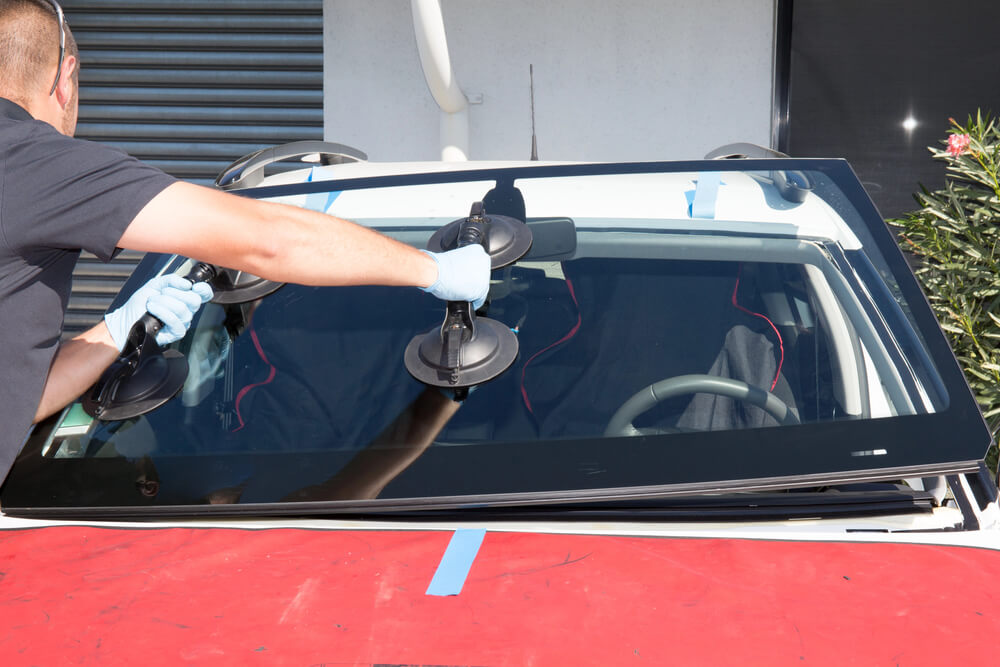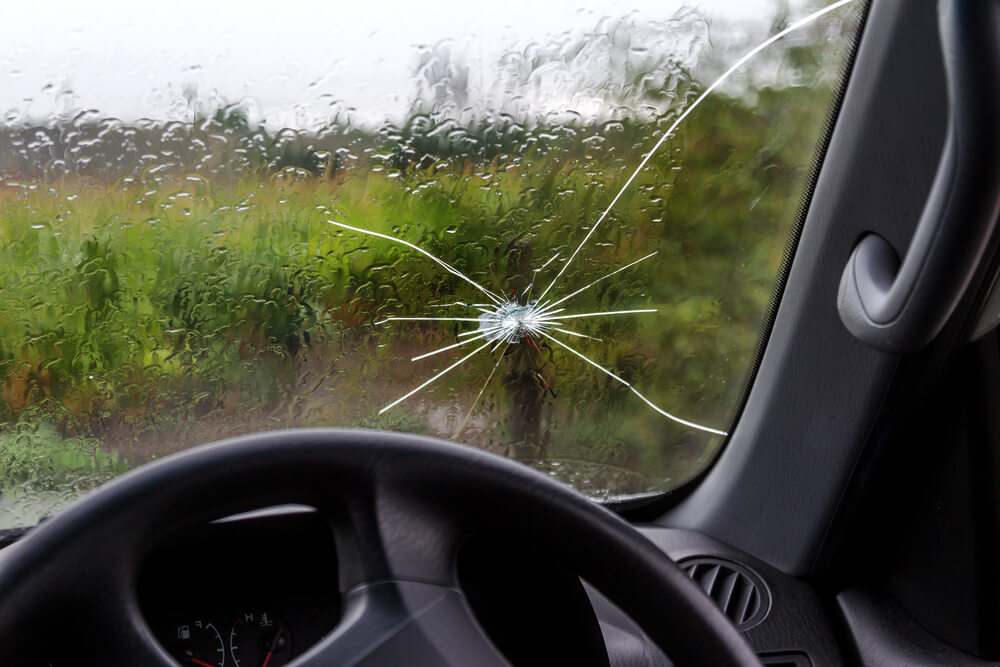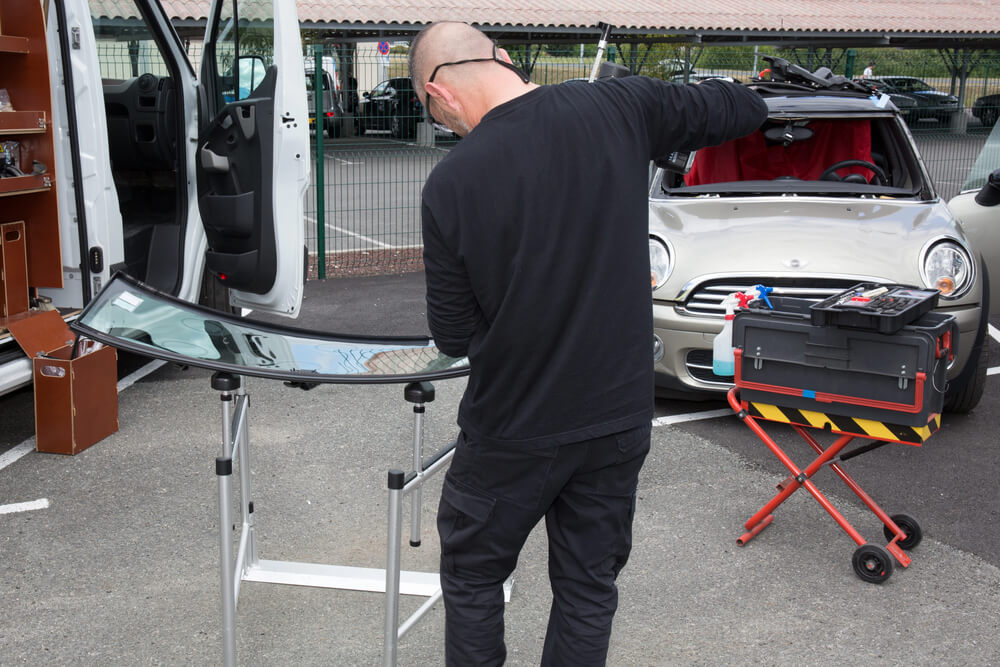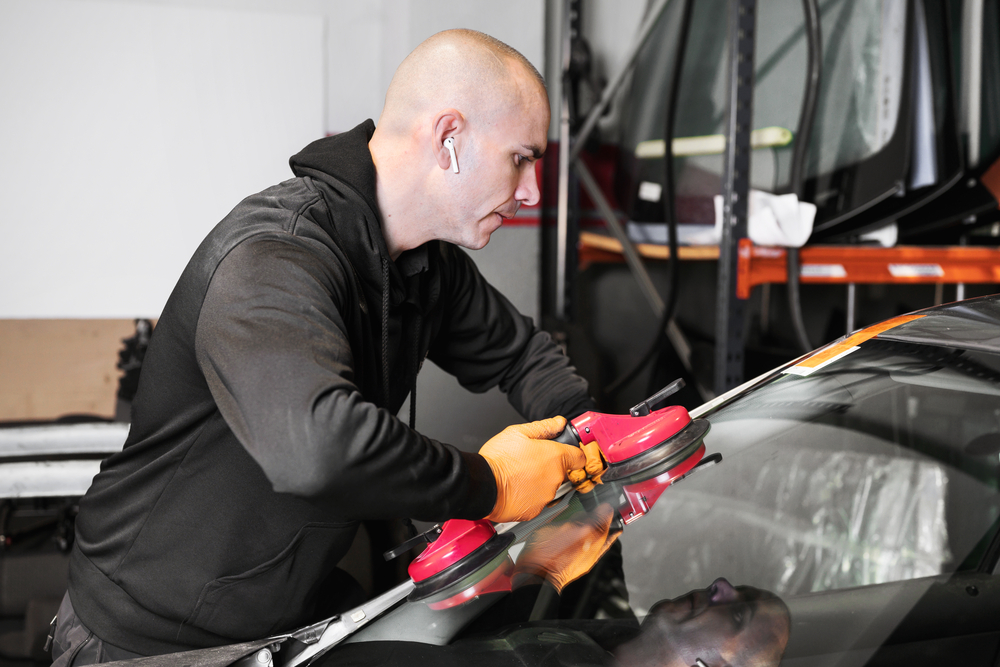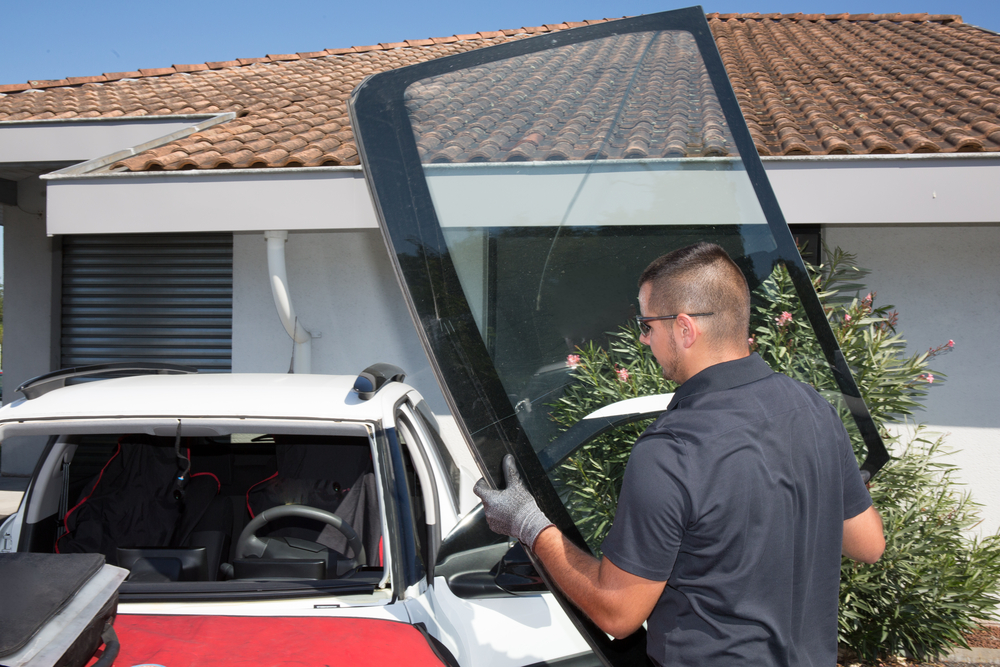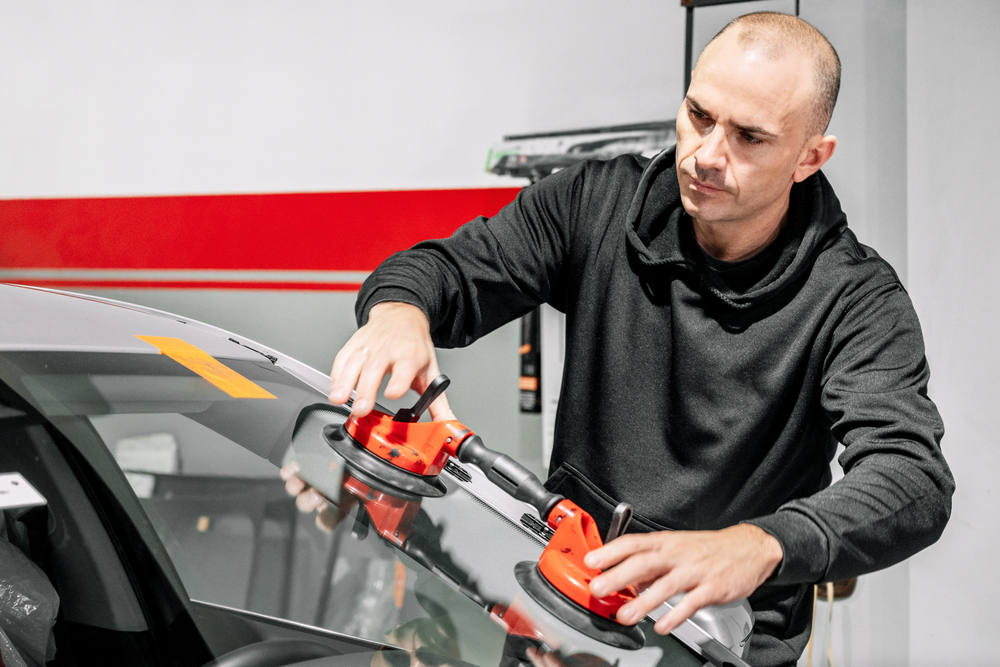

A window that chatters over every rough patch of road can make a normal commute through Garland feel like something is coming loose. If you are asking, why does car window rattle, the answer is usually not the glass itself. More often, a worn seal, loose guide, failing window regulator, or shifting door hardware is allowing the glass to move when it should stay firmly supported.
The sound may start quietly, only when you hit a bump or close the door. Then Texas heat, frequent use, and road vibration can make it worse. A rattling car window is worth checking early because the same issue that causes the noise can eventually lead to a window that sticks, sits crooked, will not close fully, or breaks under stress.
Why Does Car Window Rattle While Driving?
Your side window does not sit freely inside the door. It moves through channels and guides, held in position by weatherstripping, clips, tracks, and a regulator assembly. When one of those parts wears down, loosens, or falls out of alignment, the glass can shake against the door frame or another component.
The timing of the noise offers a useful clue. A rattle only over bumps usually points to loose hardware, worn window channels, or a door-panel issue. A noise when rolling the window up or down may indicate a dry or damaged track, loose regulator, or window glass that is no longer aligned correctly. If the window rattles when the door is closed, the glass may not be seated securely in its guide.
A technician can pinpoint the source by checking the window position, operating it through its full range, and inspecting the parts inside the door. That matters because a rattle can sound similar whether it comes from the glass, the trim, or an unrelated object inside the door.
Common Causes of a Rattling Car Window
Worn or damaged window weatherstripping
The rubber or felt-lined seals around the window do more than keep out rain and wind. They cushion the glass and keep it from moving side to side. Over time, sun exposure can dry out rubber, while dirt and moisture can wear down the lining inside the window channel.
When the seal loses its shape or pulls away from the frame, the window may wobble slightly. You might also notice increased wind noise at highway speeds, water entering the door area, or a window that moves less smoothly than before. Replacing worn weatherstripping can quiet the window and improve the seal around the glass.
Loose window regulator or mounting hardware
The window regulator is the mechanism inside the door that raises and lowers the glass. On power windows, it works with the motor and cables or arms to control movement. Bolts, clips, or mounting points can loosen over years of vibration, especially on vehicles driven daily over uneven roads.
A loose regulator may let the glass rattle even when the window is fully closed. In some cases, the window may tilt forward or backward, rise slowly, or stop partway up. This is not a good problem to ignore. If the regulator fails completely, the window can drop into the door or remain open when you need to secure the vehicle.
Misaligned window glass or guide channels
A window can become misaligned after a hard door slam, an attempted break-in, a minor collision, or a previous repair that did not seat the glass properly. The glass may still go up and down, but it is no longer centered in the channels designed to support it.
Misalignment often causes a noticeable clunk or rattle when the door shuts. Look at the top edge of the glass when it is fully closed. If the gaps around the glass appear uneven, the window rubs the frame, or one corner sits lower than the other, it needs professional adjustment. Forcing a crooked window with the switch can damage the regulator or crack the glass.
Loose door panel, trim, or small parts inside the door
Not every window-related rattle comes from the window system. A loose interior door panel, broken panel clip, speaker fastener, or screw inside the door can create a similar sound. Small items can also fall into a door cavity after a repair or after trim has been removed.
This type of noise may happen even with the window fully closed and not move when you operate the switch. Although it may be less urgent than loose glass, it should still be checked. A loose panel can expose sharp edges, interfere with window components, or allow moisture to reach areas it should not.
Damaged glass after impact
Side window glass is designed to be durable, but a rock strike, vandalism, collision damage, or pressure from a misaligned mechanism can weaken it. A crack near the edge, chipped corner, or glass that flexes more than normal may make noise before the damage becomes obvious.
Unlike a windshield, most side windows are tempered glass. When tempered glass fails, it can shatter quickly into small pieces. If you see cracks, deep scratches near the edge, or a window that appears loose in its mounting points, arrange for car window replacement rather than waiting for the next bump to make the decision for you.
Quick Checks You Can Make Safely
Before scheduling service, pay attention to when and where the rattle occurs. With the vehicle parked, gently hold the top of the closed window and see whether it moves more than the window on the other side. Do not pull hard on the glass or press it sideways. You are only checking for obvious play.
Then operate the window from fully open to fully closed. Listen for scraping, popping, grinding, or a change in motor speed. Check the visible weatherstripping for cracks, loose sections, or debris. Leaves, sand, and hardened dirt can interfere with the channel and make a window sound worse.
Avoid spraying heavy lubricants into the window channel without knowing what is causing the problem. Some products collect dirt, damage certain rubber components, or temporarily mask a failing regulator. If the glass binds, leans, or makes a sharp crunching sound, stop operating it until it can be inspected.
When a Rattling Window Becomes a Safety or Security Issue
A little vibration is annoying. Loose glass is different. Schedule prompt service if the window will not close all the way, drops down on its own, shifts visibly in the frame, leaks during rain, or has visible cracks. These signs can leave your vehicle exposed to weather, theft, and further interior damage.
Drivers should also take rattles seriously after a collision or break-in attempt. Even if the glass did not shatter, its guides and mounting hardware may have been bent or pulled out of position. The door can look normal from the outside while the window assembly inside is no longer secure.
If the window is stuck partially open, do not rely on tape as a long-term fix, especially during North Texas storms or hot weather. Temporary covering may help protect the interior for a short time, but the underlying problem still needs repair. A mobile auto glass service can be especially helpful when it is not safe or practical to drive with an unsecured window.
The Right Repair Depends on the Cause
There is no one repair for every car window rattle. A worn outer seal may only need replacement. Loose mounting hardware may need to be secured and the glass realigned. A failing regulator may require a new part, while damaged side glass calls for replacement and a careful check of the door components around it.
That is why a proper inspection saves time. Replacing glass will not correct a loose door panel, and tightening a regulator will not fix a cracked window or deteriorated weatherstrip. The best repair addresses the source of the movement and confirms that the window opens, closes, seals, and locks as it should.
For drivers in Garland, Dallas, and nearby communities, Auto Glass Garland can inspect damaged or loose vehicle glass and help determine whether adjustment, repair, or car window replacement is the right next step. Mobile service can reduce the hassle when a window is unsafe to drive with or difficult to secure.
A quiet window is more than a comfort feature. When the glass sits firmly in its channels and closes correctly, your vehicle stays better protected from weather, road noise, and the unexpected problem of a window that fails when you need it most.