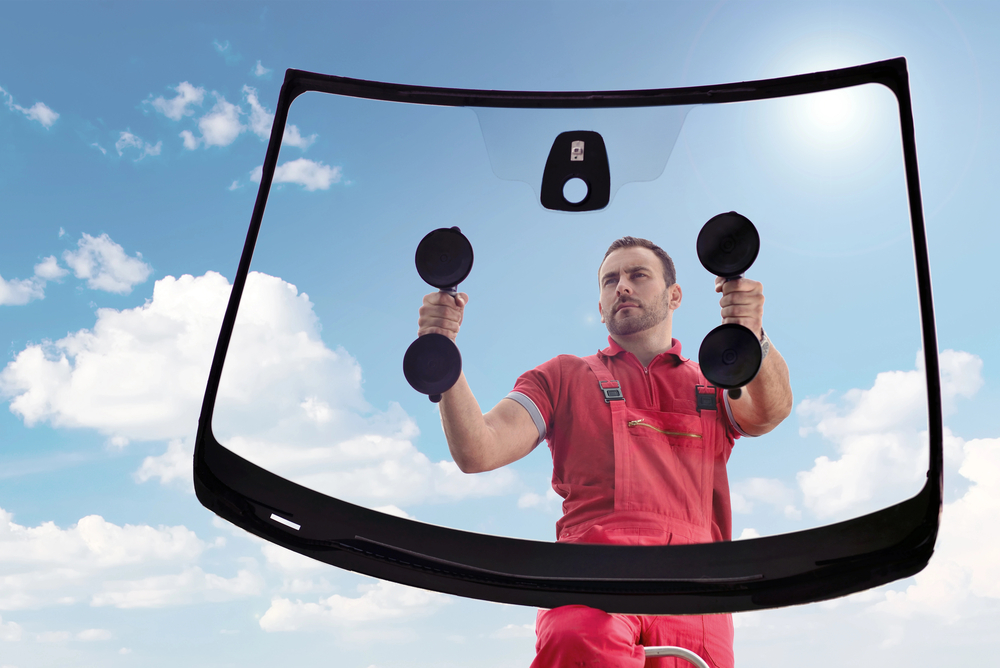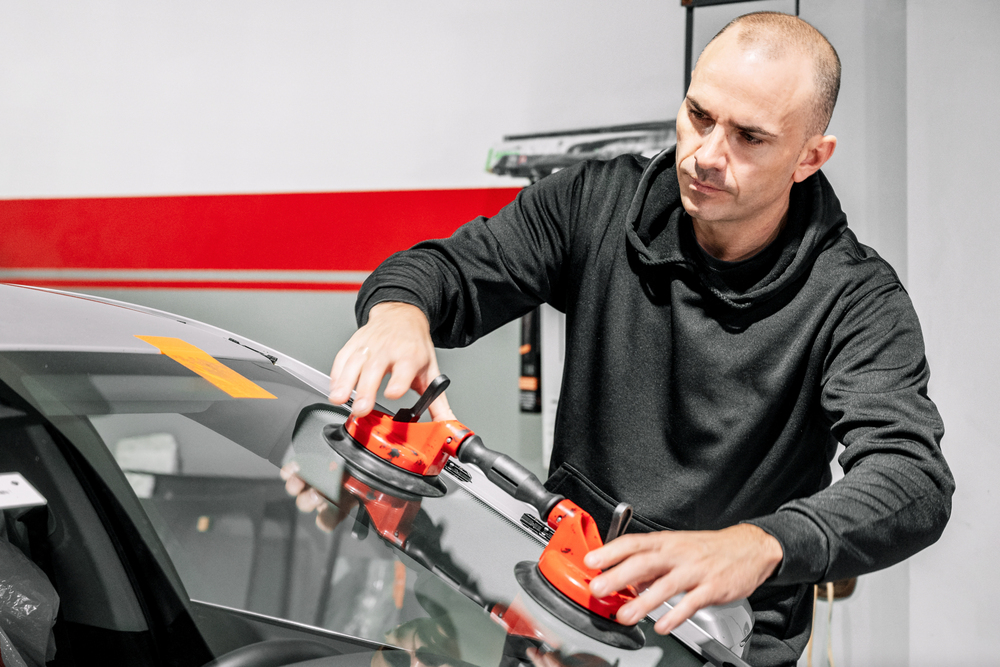

That tiny chip in your windshield can stay the same for a day, a week, or barely make it through your drive home. If you're asking when does windshield damage spread, the honest answer is this - it usually spreads when the glass is under stress. That stress can come from heat, cold, road vibration, potholes, rough driving, pressure on the glass, or simply time. Once a chip or crack starts moving, it rarely stops on its own.
For drivers in Garland, Dallas, and nearby North Texas cities, this matters because daily driving conditions make windshield damage worse fast. Long commutes, hot parking lots, sudden storms, freeway debris, and temperature swings all work against damaged auto glass. What starts as a simple repair can turn into a full windshield replacement if you wait too long.
When does windshield damage spread the fastest?
Windshield damage spreads fastest when the outer layer of glass is already weakened and the vehicle goes through sudden change. A hot windshield hit by cold rain, a freezing morning followed by full defrost, or a hard bump at highway speed can all turn a small chip into a long crack.
Temperature change is one of the biggest reasons. Windshields expand in heat and contract in cold. If the glass already has a break point, that movement adds pressure around the damaged area. In Texas, this is common. A vehicle can sit in direct sun and then cool quickly with strong A/C blowing across the inside glass. That change may not hurt a healthy windshield, but it can absolutely push existing damage farther.
Road vibration is another major factor. Every pothole, railroad crossing, uneven parking lot entrance, and rough stretch of highway puts stress through the windshield frame. If the damage is near the edge, the risk gets higher because the edge of the glass helps support the entire windshield. Cracks near that border tend to spread more quickly and can affect the structural strength of the glass sooner.
Moisture and dirt also make things worse. A fresh chip is easier to repair cleanly. Once dust, water, and debris settle into it, the repair can become less effective or no longer possible. That does not always mean replacement is required right away, but it narrows your options.
What makes a windshield chip turn into a crack?
A chip becomes a crack when pressure builds beyond what the damaged spot can hold. Sometimes that pressure comes from an obvious event, like a pothole or a door slammed hard. Other times it happens with no dramatic moment at all. You may park your car with a chip, come back later, and find a crack stretching across the glass.
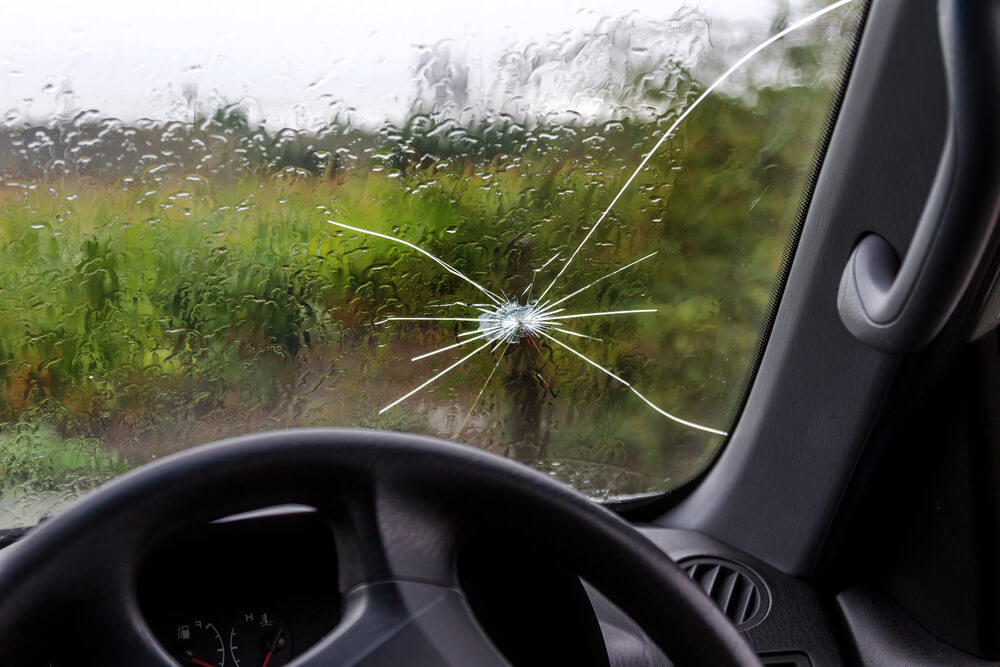
The size and shape of the original damage matter. A small bullseye chip may stay stable longer than a star break with multiple points. A chip with sharp legs or lines already forming is more likely to continue spreading. If the impact damaged more than one layer or created internal stress you cannot easily see, the damage may move sooner than expected.
Placement matters just as much as size. Damage in the driver's line of sight is a bigger safety concern even if it has not spread much. Damage near the edge is more likely to grow. Damage in an area where the windshield already flexes during normal driving can also worsen faster.
Signs your windshield damage is about to spread
You cannot always predict the exact moment a windshield crack will grow, but there are warning signs. If the chip looks deeper than it first appeared, has tiny lines branching outward, or seems to change after driving, that is a bad sign. If you notice the crack getting longer from one day to the next, the process is already underway.
A windshield that makes creaking sounds over bumps can also indicate stress. So can visible distortion around the damaged spot, especially in bright sunlight. If the crack reaches the edge of the windshield, or starts from the edge, it often means the glass is under heavier strain.
Another clue is weather exposure. If the vehicle has been through a cold night, a heat wave, or heavy rain after the damage occurred, the odds of spreading go up. The longer damaged glass stays untreated, the less predictable it becomes.
Can you stop windshield damage from spreading?
Sometimes, yes - but usually only for a short window. Fast windshield repair is the best chance to stop a chip from turning into something larger. A proper repair fills the damaged area with resin, restores part of the glass strength, and limits further movement. It also improves visibility and helps keep contaminants out.
What does not work well is hoping it stays the same. DIY kits can help in some cases, but they do not fix every type of damage, and timing is critical. If the chip is already dirty, if the crack is long, or if the damage sits near the edge, a professional inspection is the safer move.
It also helps to avoid adding stress before service. Try not to blast the defroster or A/C directly at the windshield. Drive carefully over rough roads. Avoid slamming doors. Park in shade when possible. These steps may buy you time, but they are not a real fix.
When repair is still possible
Repair is usually possible when the damage is small, contained, and not directly affecting the driver's view. In many cases, a chip can be repaired if it is addressed early and has not spread into a long crack. The cleaner the break and the sooner it is checked, the better the odds.
That said, there is no one-size-fits-all rule. The type of break, depth, location, and condition of the glass all matter. A small chip in a better area may be repairable, while a similar chip near the edge may not be. That is why a quick inspection matters more than guessing from size alone.
For busy drivers, fast mobile service can make the difference between saving the windshield and losing the chance to repair it. A same-day visit is often far easier than letting the damage sit for another week.
When replacement is the safer choice
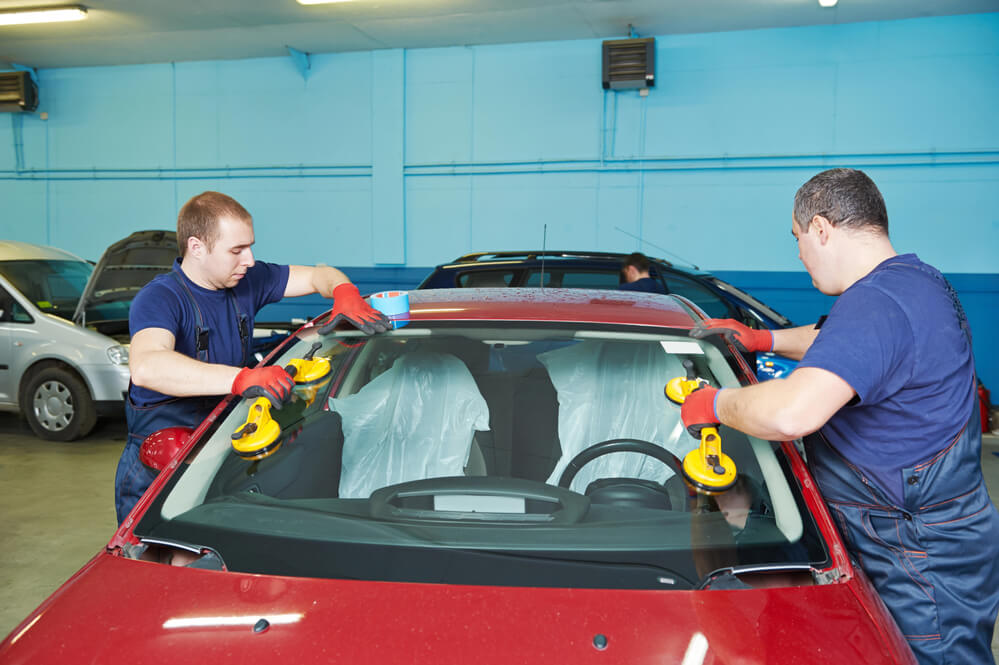
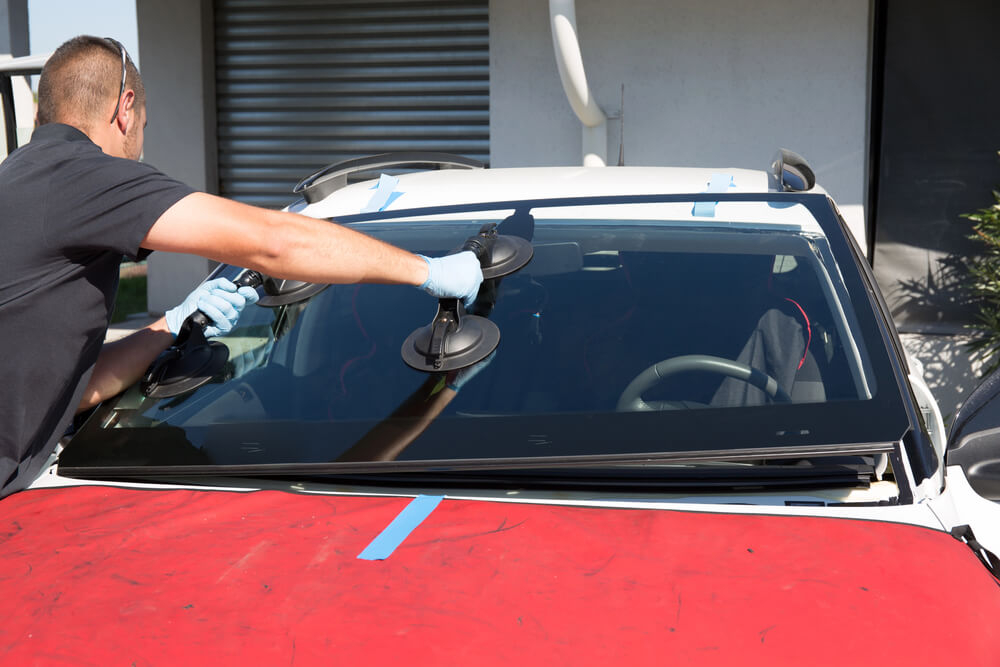
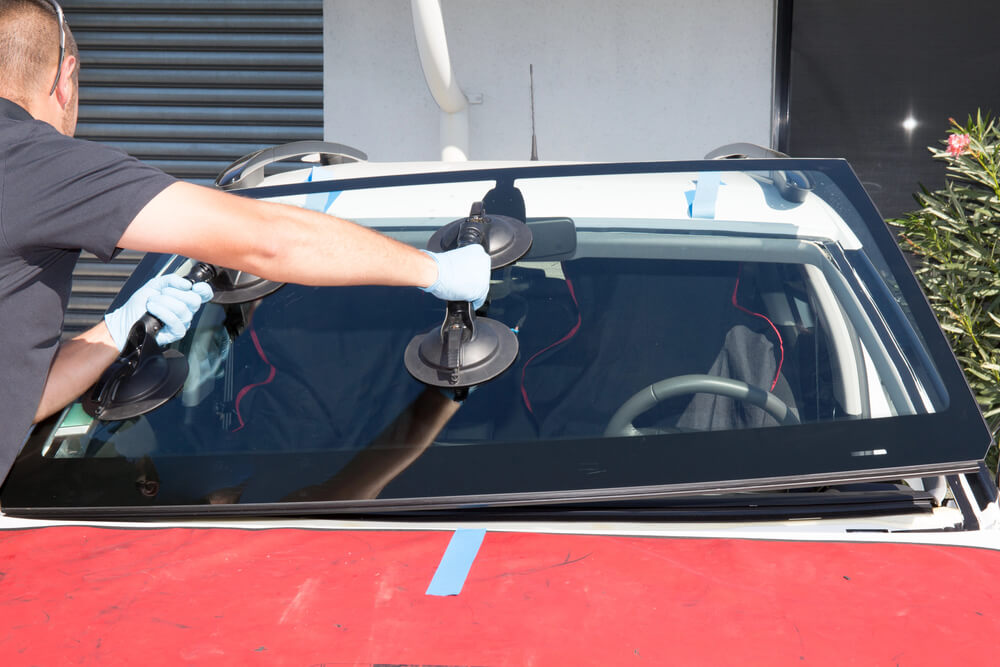
Replacement becomes the better option when the crack is too long, the damage has spread across multiple areas, the break reaches the edge, or the driver's vision is affected. It is also the right choice when repair would not restore safe performance.
This is not just about appearance. The windshield supports the structure of the vehicle and helps airbags perform correctly. If the glass is seriously compromised, delaying replacement can create a bigger safety issue than many drivers realize.
A lot of customers wait because the crack still seems manageable. Then a temperature swing or rough drive turns it into a much bigger problem. At that point, repair is off the table. Reliable service means getting a clear answer early, whether that answer is repair or full replacement.
Why North Texas drivers should act quickly
In North Texas, windshield damage rarely gets better with time. Summer heat, winter cold snaps, hail season, construction zones, and daily highway driving all increase the odds of spreading. Even normal commuting around Garland, Richardson, Plano, Mesquite, or Dallas can put enough stress on damaged glass to change it fast.
If you use your vehicle for work, school drop-offs, rideshare driving, or long commutes, waiting usually costs more in the end. The issue is not only what the windshield looks like today. It is how likely it is to get worse before you can deal with it.
That is why many local drivers call a trusted partner as soon as they notice a chip or crack. Auto Glass Garland handles this kind of urgent damage every day, with fast and reliable service that helps drivers get the problem diagnosed before it spreads further.
The smart move after you notice damage
The best time to deal with windshield damage is right away, while you still have options. If the glass is chipped or cracked, do not assume it can wait just because the damage looks small. Windshields fail gradually, then all at once. A simple repair today can prevent a more expensive replacement tomorrow.
If you are unsure how serious it is, get it checked before the next big temperature shift, storm, or highway trip. A quick professional assessment gives you a clear answer and takes the guesswork out of it. When it comes to damaged auto glass, early action is usually the safest, fastest, and least stressful path forward.