A car window that stops halfway, falls into the door, or will not move at all can turn a normal drive into a real problem. If you are asking what causes window regulator failure, the short answer is wear, broken cables or gears, moisture, and extra strain on the window system. The right repair depends on whether the regulator, motor, glass, switch, or window track is actually at fault.
For drivers in Garland, Dallas, and nearby North Texas communities, a failed power window is more than an inconvenience. It can leave your vehicle exposed to rain, heat, theft, and road debris. Knowing the common causes helps you spot trouble early and get reliable car window service before a small issue becomes a larger repair.
What Does a Window Regulator Do?
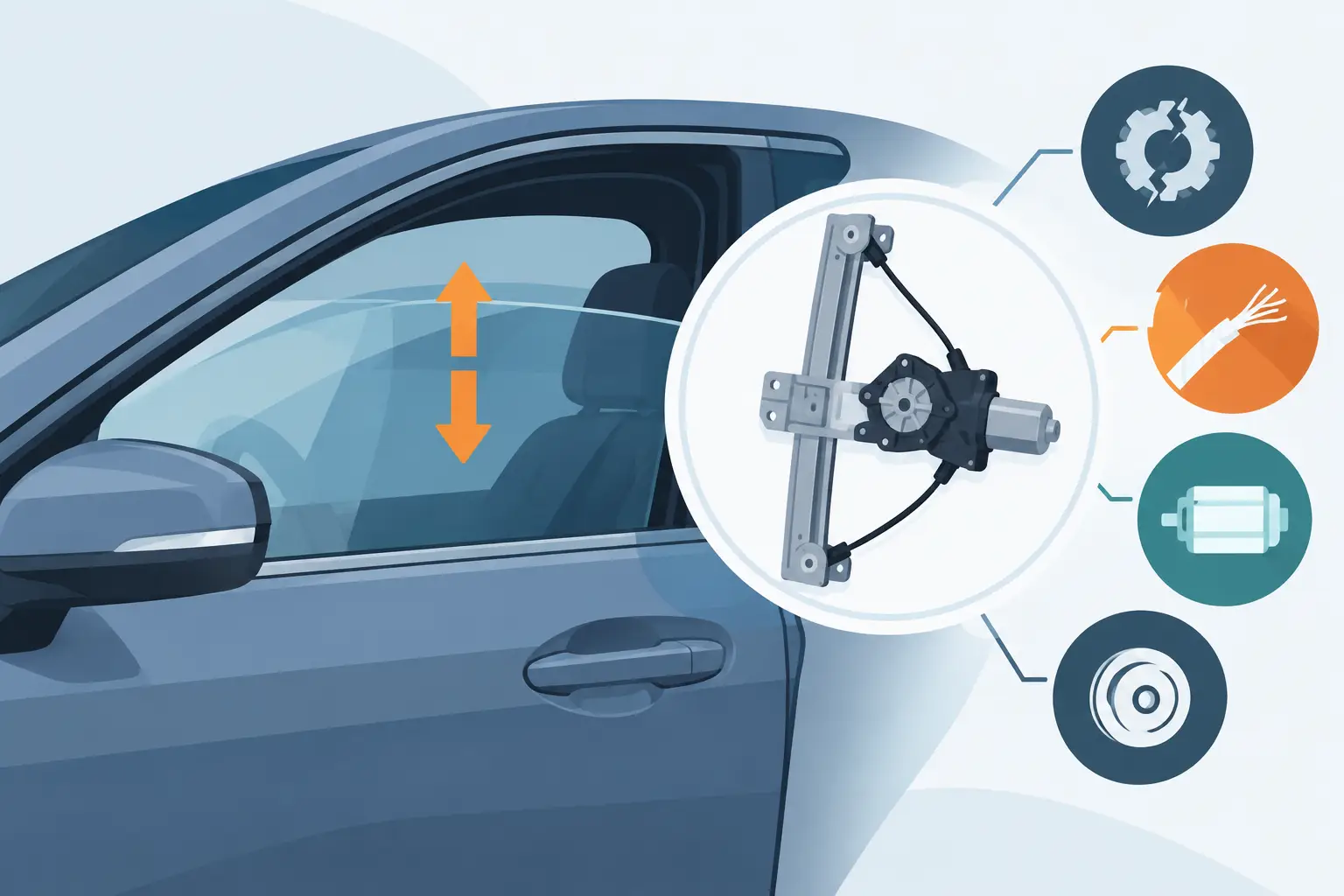
The window regulator is the mechanical assembly inside the door that raises and lowers the glass. In most modern vehicles, an electric motor powers the regulator when you press the window switch. Depending on the vehicle, the regulator may use cables, pulleys, a scissor-style arm, or a gear-driven mechanism to guide the glass through the window channel.
The regulator has to move a heavy piece of glass smoothly, thousands of times over the life of a vehicle. It works with several other components, including the motor, tracks, guides, weatherstripping, and electrical switch. When one part binds or wears out, the regulator can be forced to work harder than it should.
A bad regulator does not always mean the glass itself is damaged. However, a broken regulator can allow the glass to tilt, scratch, drop, or become stuck. That is why a proper inspection matters before replacing parts.
What Causes Window Regulator Failure Most Often?
Worn cables, pulleys, and gears
Many power window regulators use a cable system. Over time, the cable can fray, stretch, kink, or come off the pulley. Plastic pulleys and gear teeth can also wear down or crack after years of use. Once that happens, you may hear clicking, grinding, or a snapping sound inside the door.
The window may move slowly at first, then suddenly stop. In some cases, the motor continues to run but the glass does not move because the cable or gear no longer transfers power to the regulator assembly.
A failing window motor
A regulator and a window motor are separate parts, but they are often replaced together because they work as a unit. A weak motor may not have enough power to move the glass, especially when the tracks are dirty or the weatherstripping is tight.
If the window works intermittently, moves only when you hold the switch a certain way, or becomes slower over time, the motor may be wearing out. On the other hand, if you hear the motor running while the window stays still, the regulator is the more likely problem.
Dirty, dry, or damaged window tracks
The glass travels through channels inside the door frame. Dirt, sand, leaves, old lubricant, and debris can create drag in those tracks. In North Texas, dust and long periods of heat can dry out rubber channels and make the window bind.
When the glass cannot move freely, the regulator has to pull harder. That extra resistance can strain cables, motors, and mounting points until something fails. A window that rises crookedly or needs help by hand should be checked promptly. Continuing to use it can turn a track issue into a regulator replacement.
Broken clips or mounting points
The glass is attached to the regulator with clips, brackets, or bolts. These parts can crack from age, vibration, impact, or repeated stress. When a clip breaks, the window may lean forward or backward, rattle inside the door, or slide down unexpectedly.
This problem can look like a failed regulator because the window will not stay in the right position. A technician needs to remove the door panel and inspect how the glass is secured before deciding which part needs repair.
Moisture and corrosion inside the door
Vehicle doors are designed to handle some water, but moisture can still damage electrical connections and metal components over time. A torn window seal, clogged drain opening, or previous door damage can allow water to sit inside the door.
Corrosion may affect the regulator frame, cable, motor connectors, or wiring. This is especially common when a window has been slow or sticking for months. If water has entered the door, fixing only the regulator without correcting the source of the moisture can lead to another failure.
Impact from a broken window or door damage
A break-in, flying road debris, accident, or slammed door can damage more than the glass. Shattered glass can fall into the regulator tracks, and a bent door frame can cause the replacement window to bind as it moves.
After car window replacement, the glass should travel evenly and seal correctly at the top. If it catches, rubs, or makes unusual noise, it needs attention. Forcing the switch can damage a regulator that might otherwise have been saved.
Electrical issues that mimic regulator failure
Not every dead power window is a mechanical failure. A blown fuse, bad window switch, damaged wiring, faulty relay, or problem with the master control panel can stop the window from operating. Some vehicles also use anti-pinch safety features or body control modules that can affect window operation.
A quick diagnosis is worth the time. Replacing a regulator when the real problem is a switch or wiring connection adds unnecessary cost and does not solve the issue. A reliable technician will test the power supply and controls before recommending the repair.
Warning Signs You Should Not Ignore
Window regulator problems rarely appear without warning. Slow movement, uneven travel, squealing, clicking, grinding, or a window that stops before it fully closes are all signs that something is wearing out. You may also notice that the glass drops slightly after reaching the top or needs to be held while it moves.
The most urgent sign is a window that will not close. Do not leave the vehicle unsecured if you can avoid it. Rain can damage the interior and door electronics, while an open window creates an easy access point for theft. If the glass has dropped into the door, avoid repeatedly pressing the switch. That can tangle the cable further or overheat the motor.
Can You Prevent Window Regulator Failure?
You cannot prevent every failure because regulators eventually wear out, but a few habits can reduce unnecessary strain. Keep the upper window channels clean, especially after a dusty drive or after glass has broken. Avoid slamming the door when the window is partway down, and do not force frozen or stuck glass upward with the switch.
If a window begins moving slowly, have it checked before it stops completely. A simple adjustment, track cleaning, or repair to a loose guide can sometimes prevent more extensive damage. It also helps to address damaged weatherstripping, since it can let water and debris reach places they do not belong.
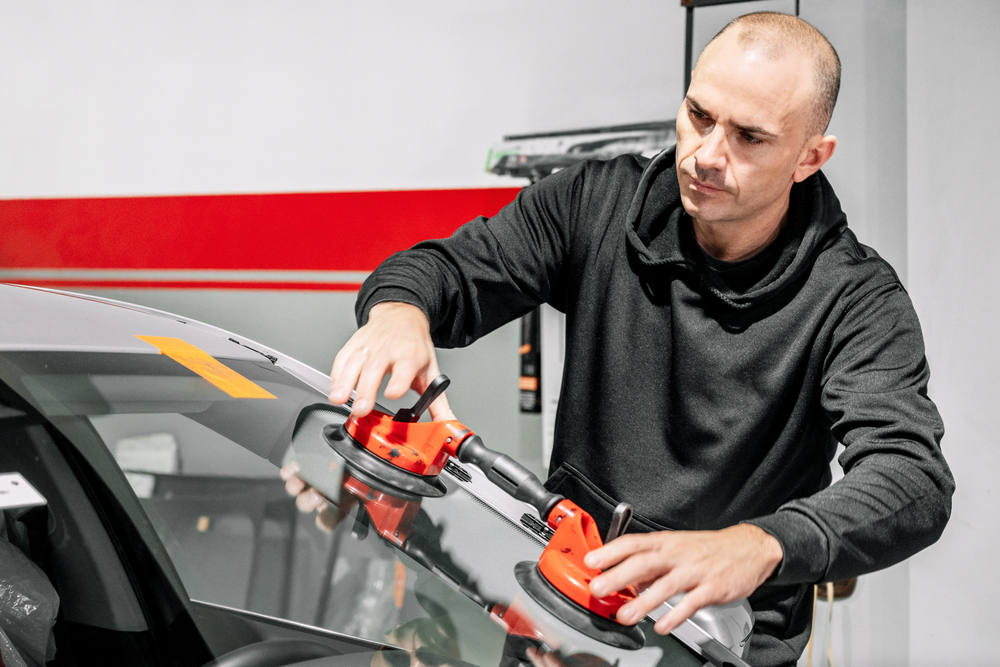
Be careful with do-it-yourself repairs. Door panels often contain wiring, side-impact components, clips, and vapor barriers that need to be reinstalled correctly. The glass is heavy and can shift suddenly when its support is removed. For many drivers, professional service is the safer and faster option.
When to Repair the Regulator and When to Replace It
Whether a regulator can be repaired depends on the design and the damage. A loose bolt, dirty channel, or broken glass clip may be repairable without replacing the full assembly. A frayed cable, stripped gear, cracked frame, or badly worn pulley usually calls for a new regulator.
If the motor is weak or has been overworked by a binding window, replacing the motor and regulator together can make sense. It may cost more upfront, but it can reduce the chance of paying for door-panel labor twice. The best choice depends on the vehicle, available parts, the condition of the glass, and what caused the failure in the first place.
For a broken side window, a window that will not close, or glass that has fallen inside the door, Auto Glass Garland can help identify the issue and provide fast, reliable service. Mobile service may be especially helpful when it is not safe or practical to drive with an open window.
A power window should move quietly, evenly, and close securely every time. When it does not, getting it inspected early can protect your vehicle interior, keep the glass properly supported, and get you back on the road with less hassle.