
A windshield replacement is not something most drivers plan for. One rock on I-635, a break-in in a parking lot, or a spreading crack after a North Texas temperature swing can put your vehicle out of commission fast. Auto glass warranties give you added confidence that the work will hold up after the repair or replacement is complete, but only when you understand what the warranty actually covers.
For Garland, Dallas, and nearby drivers, the right warranty should be clear, practical, and backed by a service provider that will answer the phone if there is a problem. It should not be a vague promise buried under fine print.
What Auto Glass Warranties Usually Cover
An auto glass warranty typically covers defects connected to the service itself. That may include workmanship issues during installation, problems with the glass material, or a windshield repair that fails after it was properly completed. The exact terms depend on the shop, the type of glass installed, and the service performed.
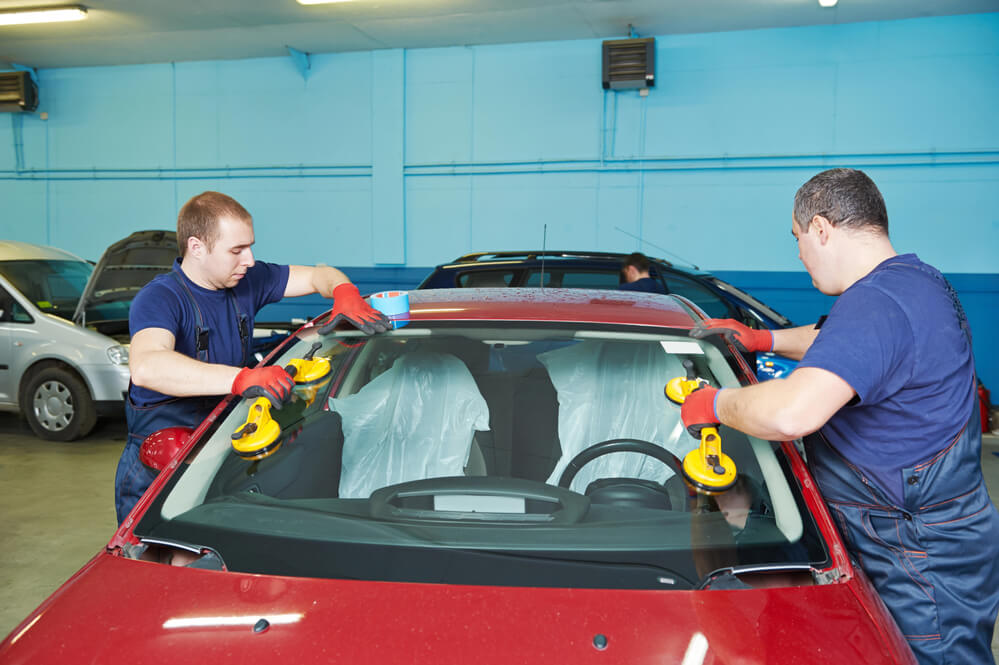
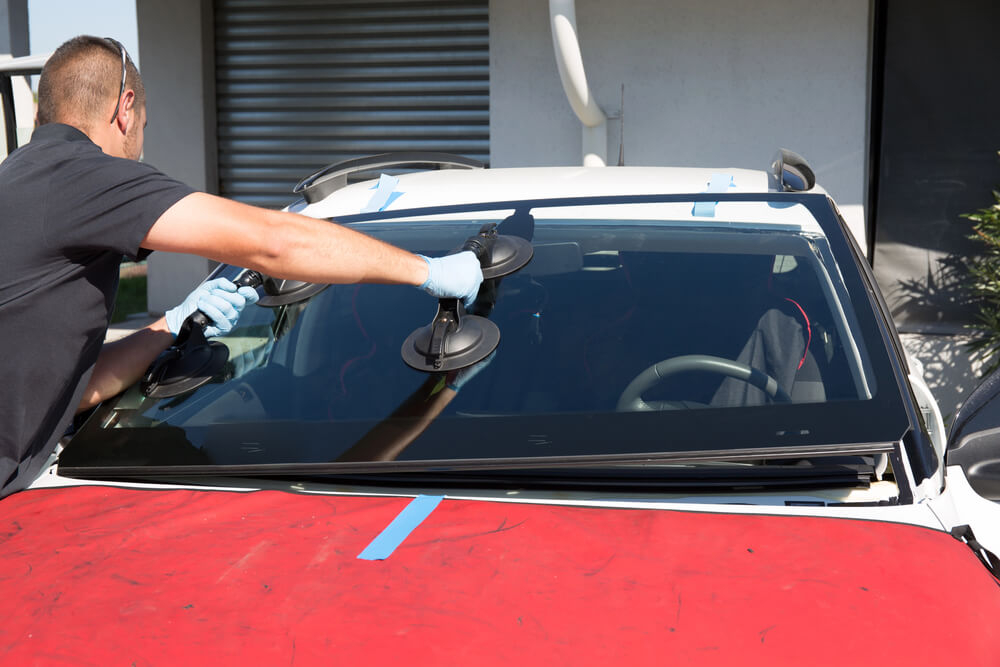
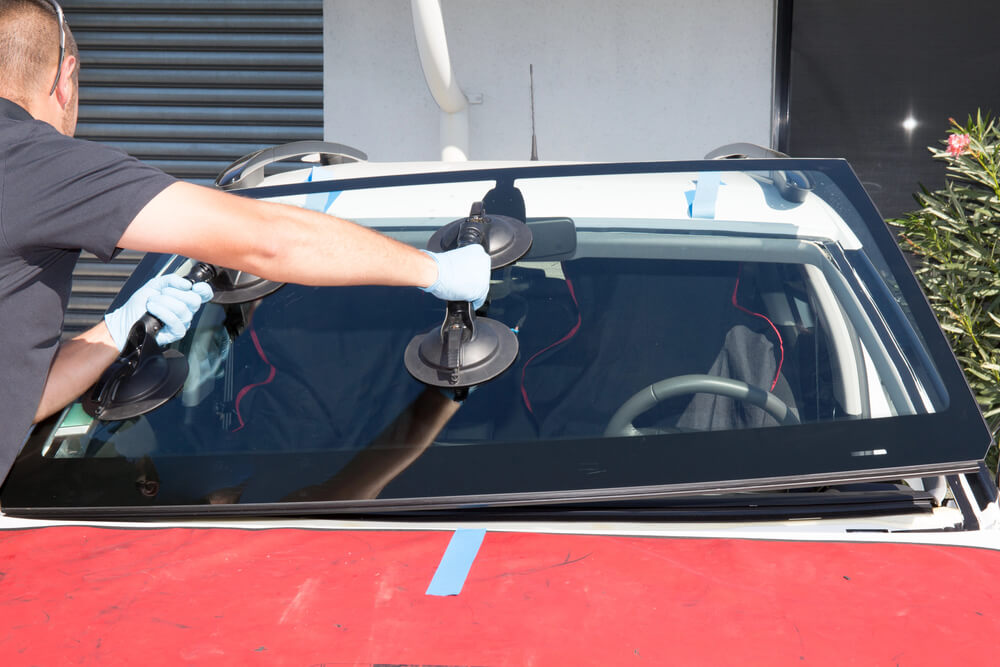
For a windshield replacement, workmanship coverage may apply if the glass was not bonded correctly, a seal leaks because of the installation, or wind noise develops from an installation-related issue. A quality installation requires proper preparation, the correct urethane adhesive, and enough curing time before the vehicle is driven. If something goes wrong because that process was not handled correctly, the warranty is there to make it right.
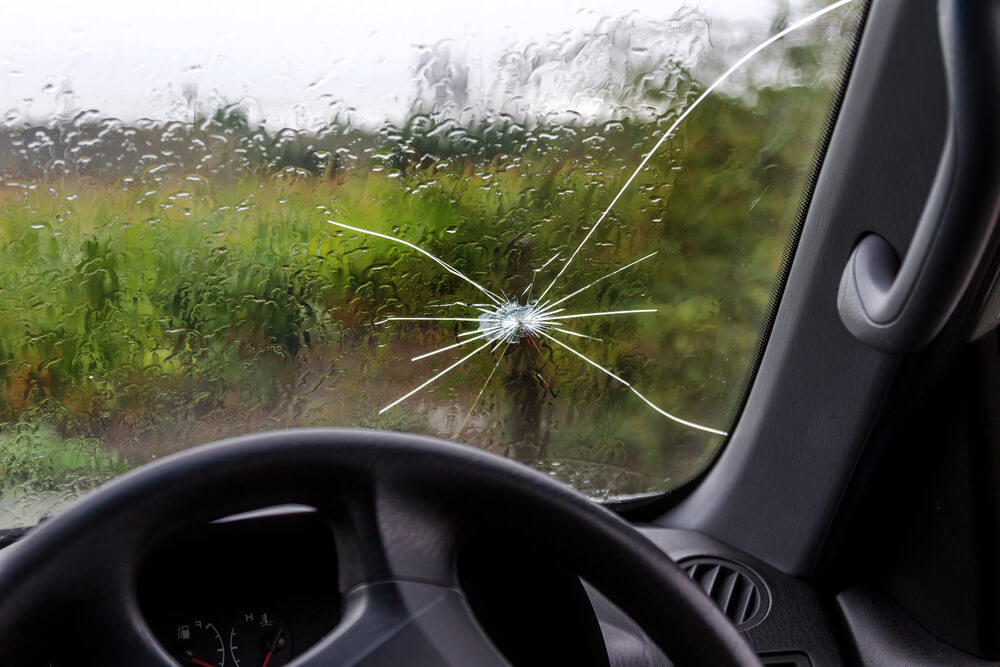
For a chip or crack repair, coverage is usually more limited. A repair is designed to restore strength and reduce the visibility of damage, not make every mark disappear. Some chips can continue to spread even after a proper repair, particularly when the original damage is deep, long, contaminated, or located near the edge of the windshield. Ask whether the repair comes with a credit toward replacement if the damaged area spreads later.
Material coverage can also vary. Original equipment manufacturer glass, often called OEM glass, aftermarket glass, and recycled glass do not always carry the same manufacturer warranty. Aftermarket glass can be a reliable, cost-effective option for many vehicles, but fit, tint band, acoustic features, and advanced driver assistance system compatibility should all be discussed before installation.
What a Warranty Does Not Cover
A warranty is not the same thing as insurance, and it does not make your windshield immune to future road damage. If another rock hits the new windshield on President George Bush Turnpike next week, that is a new incident. The original installation warranty generally will not cover a new chip, crack, or break.
Most auto glass warranties also exclude damage caused by collisions, vandalism, improper vehicle repairs, harsh chemical use, or changes made to the vehicle after the glass was installed. Rust around the windshield frame can be another concern. If corrosion prevents the glass from sealing properly, the surrounding body condition may need to be addressed before a lasting installation is possible.
Be cautious of promises that sound unlimited without explanation. A dependable local shop will tell you what is covered, how long coverage lasts, what steps to take if you notice an issue, and which conditions fall outside the warranty. Clear terms are a better sign than flashy language.
The Difference Between Glass, Workmanship, and Insurance Coverage
Drivers often hear the word “warranty” used for several different protections. Sorting out the difference helps avoid frustration when filing a claim or requesting follow-up service.
The glass manufacturer may offer coverage against defects in the glass itself. Installation workmanship coverage comes from the auto glass company and applies to how the glass was repaired or installed. Your auto insurance policy, meanwhile, may pay for covered damage from a road hazard, accident, or theft, subject to your deductible and policy terms.
These protections can overlap, but they solve different problems. If a windshield leaks because an adhesive bead was applied incorrectly, that is a workmanship matter. If a fresh impact creates a star break in the glass, your comprehensive insurance coverage may be the relevant option. If you are unsure, a qualified auto glass provider can help explain the situation and assist with the insurance claim process.
Questions to Ask Before You Approve the Work
Before scheduling mobile service or dropping your vehicle off, ask for the warranty terms in plain language. You do not need a long legal document, but you do need enough detail to know what you are receiving.
Ask whether the warranty covers leaks, wind noise, molding problems, and installation defects. Find out how long workmanship coverage lasts and whether it applies if you move within the Dallas-Fort Worth area. If you are having a windshield replaced, ask what type of glass will be installed and whether the warranty differs between OEM and aftermarket options.
Modern vehicles require another important question: will the windshield camera or sensor system need recalibration? Many late-model vehicles use cameras behind the windshield to support features such as lane departure warnings, forward collision alerts, and automatic emergency braking. If calibration is required, ask whether it is included in the quoted service and what documentation you will receive afterward.
You should also ask about care instructions. Fresh urethane needs time to cure, and technicians may recommend avoiding car washes, slamming doors, removing retention tape, or driving before the safe drive-away time. Following those instructions helps protect the installation and prevents avoidable issues.
Why the Installer Matters as Much as the Warranty
A long warranty is only valuable if the company has the skill and local accountability to stand behind it. The safest choice is not simply the lowest price or the fastest promise. It is a provider that uses proper installation methods, explains the glass options, and inspects the vehicle for related damage before beginning work.
This matters even more with mobile auto glass service. Mobile replacement can save time for busy commuters, families, and rideshare drivers, but the work still needs the right conditions. Severe weather, excessive dust, poor access around the vehicle, or an unsafe parking location can affect the job. A reliable technician will tell you if an in-shop installation is the better option rather than rushing through a repair that should be done under controlled conditions.
At Auto Glass Garland, the goal is straightforward: provide reliable repairs and replacements, explain the work clearly, and help local drivers get back on the road with less hassle. That approach matters when a cracked windshield has already disrupted your day.
When to Contact the Shop After Service
Do not wait if you notice a possible installation issue. Water inside the cabin after rain, a new whistling sound at highway speeds, loose trim, fogging between glass layers, or a warning light related to driver-assistance features all deserve a prompt call. Early inspection can often resolve a small concern before it becomes a larger one.
Keep your invoice, warranty paperwork, and any calibration records in a safe place. If insurance was involved, keep the claim number as well. These details make follow-up faster and help the shop identify the exact glass and materials used on your vehicle.
A warranty cannot prevent every future crack, but it can remove uncertainty after a repair or replacement. Choose a provider that explains the coverage before work begins, follows proper safety procedures, and is ready to help if the finished job does not perform as it should.