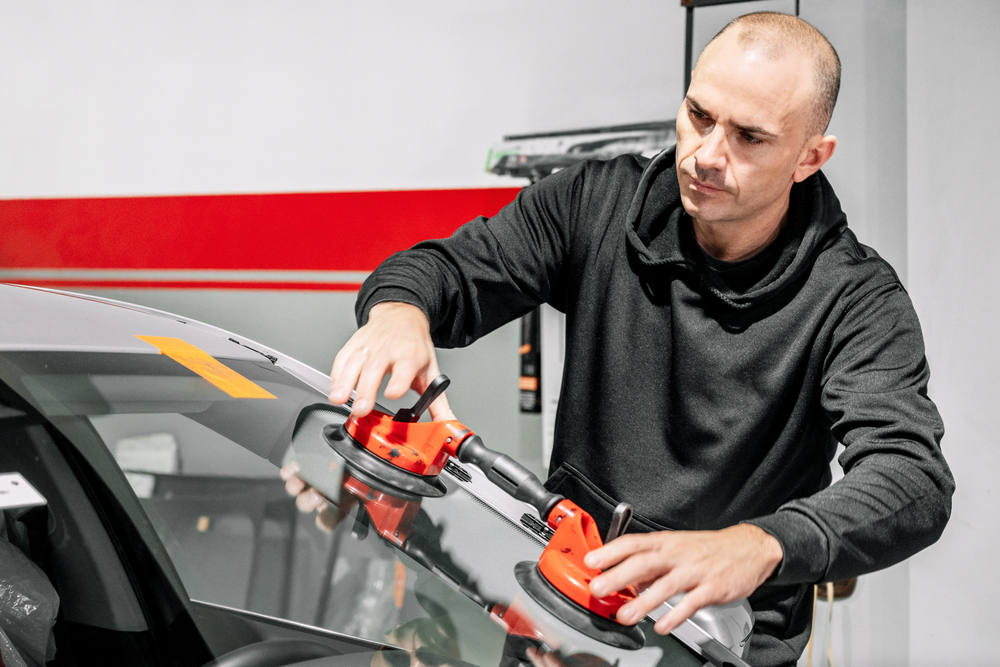

A wet carpet after a North Texas thunderstorm is more than an annoyance. It can lead to mildew, electrical trouble, stained upholstery, and a vehicle that never quite smells right again. The top reasons windows leak usually come down to worn seals, blocked drainage, damaged glass, or a problem with previous glass installation. Finding the true source early can save you from a much larger repair.
A leak does not always mean the window glass itself is cracked. Water can enter around the windshield, a door window, a sunroof, or even through a body seam nearby and travel before it reaches the floor. That is why a proper inspection matters.
Top Reasons Windows Leak in Cars and Trucks
Worn or damaged weatherstripping
Weatherstripping is the rubber seal around your doors and movable side windows. Its job is simple: keep rain, wind, dust, and road noise outside the cabin. Over time, Texas heat can dry out that rubber, causing it to crack, shrink, flatten, or pull away from the frame.
When weatherstripping loses its shape, water can slip past it during rain or a car wash. You may notice moisture near the top of the door panel, a damp seatbelt, water marks on the headliner, or wind noise at highway speeds. A door that needs to be slammed or adjusted to seal properly can also point to a weatherstrip issue.
In some cases, the seal only needs to be cleaned and reconditioned. If it is torn, hardened, or missing sections, replacement is usually the dependable fix.
Blocked door drain holes
Vehicle doors are designed to handle a small amount of water. Rain can pass through the window channel and into the inside of the door, where drain holes at the bottom allow it to exit. Leaves, mud, road grime, and debris can block those holes.
Once the drains are blocked, water collects inside the door until it spills into the cabin or soaks the lower door panel. You might hear water sloshing when opening or closing the door. That is a sign to have the door drains checked promptly.
Clearing drain holes is often straightforward, but it should be done carefully. Poking into the wrong place can damage wiring, vapor barriers, or components inside the door.
A damaged window regulator or window channel
If a power window moves slowly, tilts as it rises, makes grinding noises, or does not close evenly, the problem may be more than an inconvenience. A failing window regulator or worn window channel can leave a small gap between the glass and the seal.
Even a narrow gap can let in rain during a heavy storm or while driving on wet roads. The problem may come and go depending on whether the window is fully seated that day. A technician can check the window alignment, regulator, clips, and guide channels to determine whether the glass needs adjustment or a part needs replacement.
Improper windshield installation or failed urethane seal
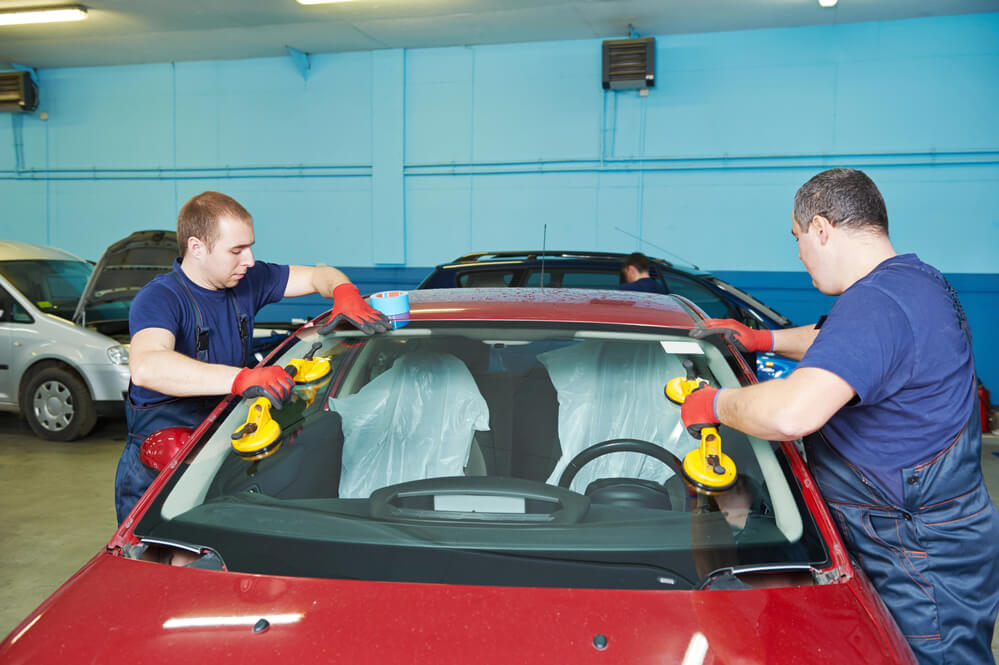
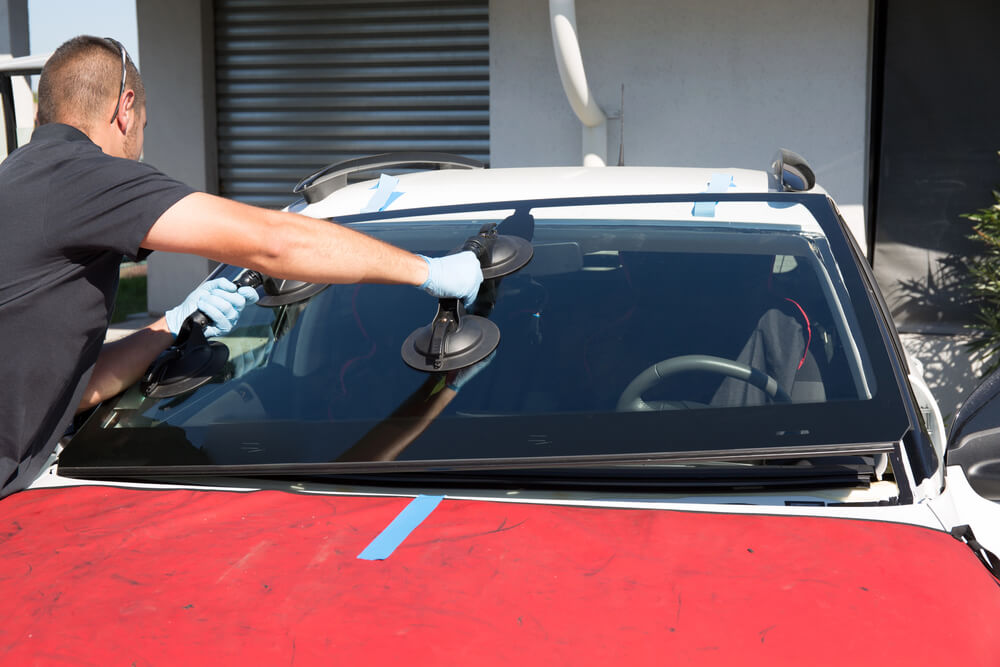
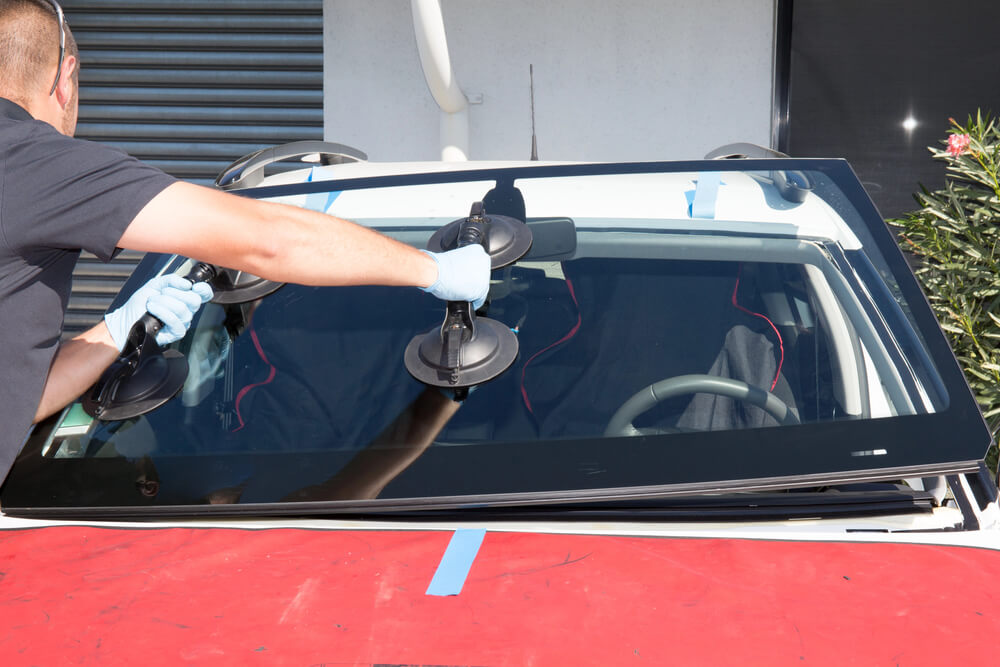
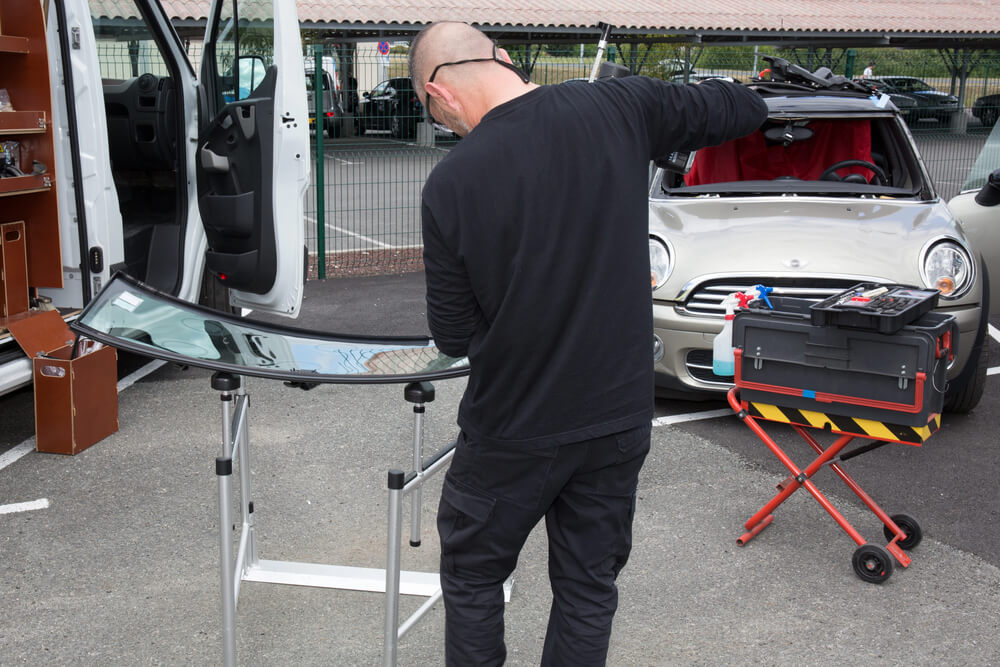
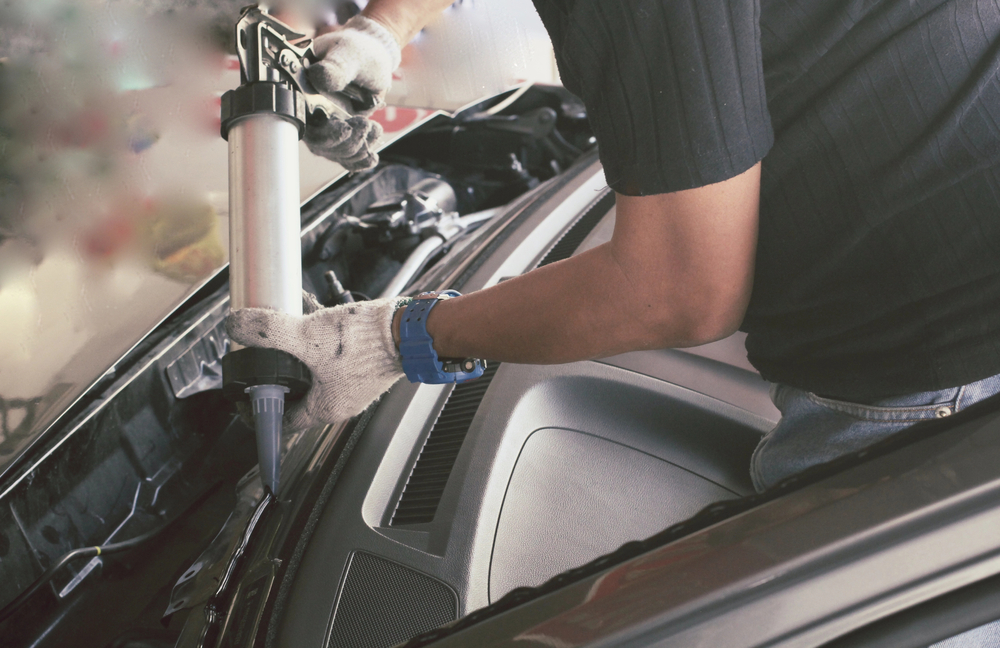
A windshield is bonded to the vehicle frame with automotive-grade urethane adhesive. When that bond is damaged, aged, or improperly installed, water may enter around the edge of the windshield. This is one of the more serious causes because the windshield supports the vehicle roof structure and helps the passenger-side airbag deploy correctly in many vehicles.
Signs of a windshield seal leak include a damp headliner, water at the front floorboard, fogging inside the glass, or moisture around the dashboard after rain. Wind noise around the windshield can be another clue.
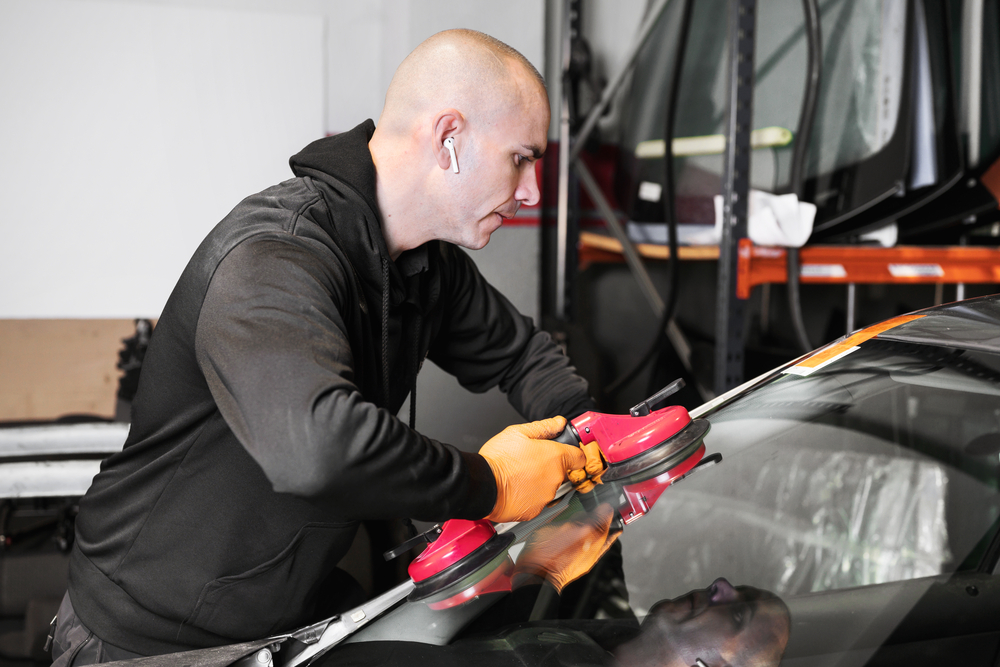
A leak after a recent windshield replacement does not automatically mean the whole windshield must be replaced. It depends on the condition of the glass, the adhesive bond, rust around the pinch weld, and the exact source of the leak. A qualified auto glass inspection is the safest way to determine the repair.
Rust or corrosion around the glass frame
Older vehicles, vehicles with past collision damage, and vehicles that have had glass replaced before can develop corrosion around the windshield or rear glass opening. Rust lifts the metal surface and prevents adhesive or molding from sealing correctly.
This issue can be easy to miss because much of it may sit beneath trim or molding. Water intrusion may start slowly, then become worse as corrosion spreads. Simply adding sealant over rust is rarely a lasting solution. The corroded area may need proper treatment before replacement glass can be installed safely and sealed correctly.
Cracked glass or a damaged window seal
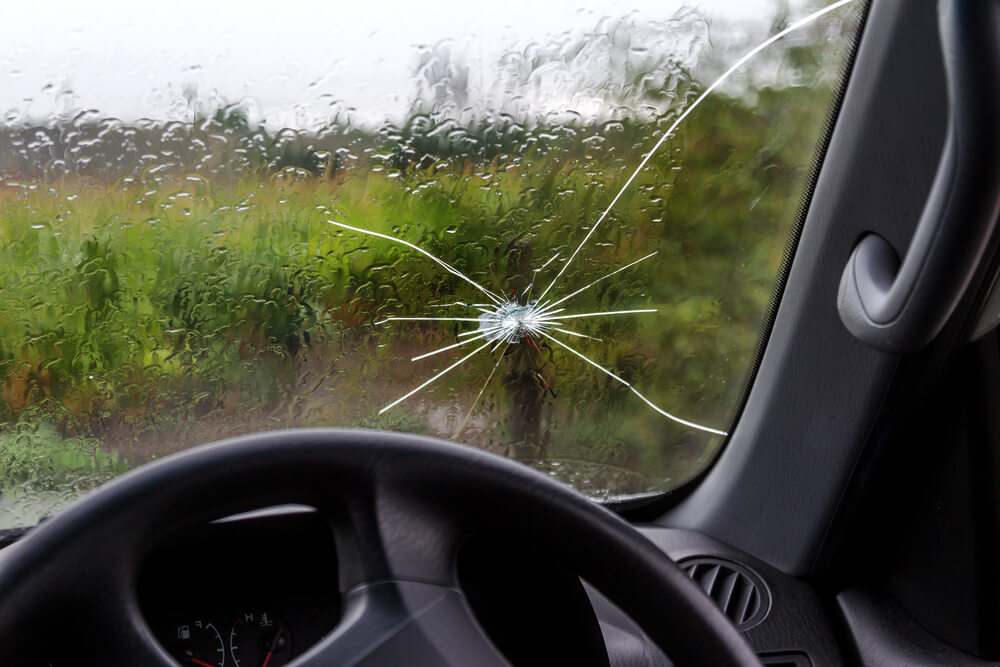
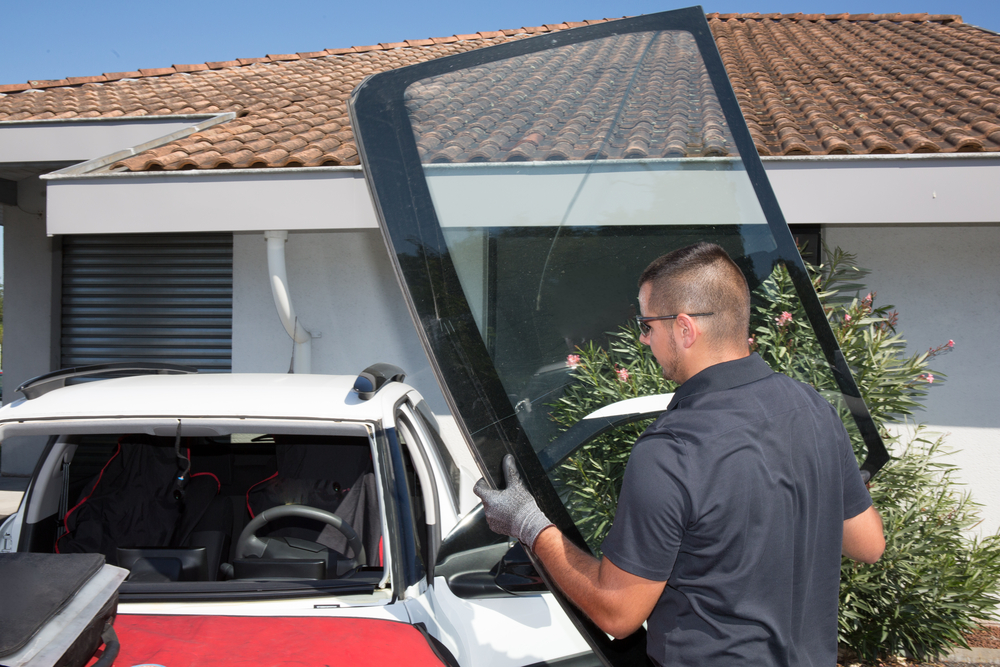
A cracked windshield does not always leak, but a crack near the edge can create a path for water or weaken the seal around the glass. Side window glass that has chipped edges or has been forced off track can also fail to sit tightly in its channel.
Rear windshields are another possible source, especially after impact damage or when a defroster connection area has been affected. If you see water near the rear package tray, trunk, or back seat, do not assume the issue is a door seal. It may be coming from the rear glass or trunk sealing area.
Sunroof drains and other nearby leaks
Many drivers blame a side window when water appears near the front or rear seat, but the actual culprit may be a sunroof drain. Sunroof systems use small drain tubes to route water down and out of the vehicle. When those tubes clog or disconnect, water can run into the headliner, pillars, and carpet.
A leaking cowl area, damaged roof molding, or clogged HVAC drain can create similar symptoms. This is why the location of the wet carpet does not always identify the origin of the leak. Water follows gravity, slopes, insulation, and interior panels before it becomes visible.
How to Spot a Window Leak Before It Gets Worse
Start by paying attention after rain, a car wash, or a drive through standing water. Check the floor mats, carpet edges, headliner, door panels, trunk, and spare tire well. Touch areas that look discolored or feel unusually cool and damp.
A musty smell, recurring windshield fog, unexplained condensation, or wet seatbelts are all warning signs. If your vehicle has electrical issues after rain, such as a malfunctioning power window, speaker, interior light, or dashboard warning light, get it inspected soon. Moisture can reach wiring connectors and modules hidden under carpet or behind trim.
Do not rely on caulk, household silicone, or tape as a permanent answer. These materials can trap moisture, make future repairs harder, and hide a structural or installation problem. They may stop a drip temporarily, but they do not identify why water got in.
What a Professional Auto Glass Inspection Should Check
A proper leak inspection should look beyond the visible wet spot. The technician may inspect the glass perimeter, moldings, weatherstripping, window movement, door drains, body seams, and signs of old adhesive or corrosion. Controlled water testing can help trace the path without soaking the entire interior.
The right repair depends on the source. A worn door seal may require weatherstripping replacement. A misaligned side window may need regulator or channel service. A windshield with a compromised bond may need to be removed and reinstalled or replaced, depending on the condition of the glass and frame.
For Garland, Dallas, and nearby North Texas drivers, Auto Glass Garland can assess windshield and vehicle window concerns and explain the practical next step. Mobile service can be especially helpful when a leak, broken window, or damaged windshield makes it difficult to safely drive the vehicle.
Do Not Wait on Water Inside Your Vehicle
A small leak can become a costly interior problem after only a few storms. Pull out damp floor mats, air out the cabin when possible, and avoid letting wet carpet sit for days. If the leak is active, cover the vehicle when you can, but arrange an inspection instead of guessing at the source.
The fastest path to a dry, safe cabin is identifying where water enters and repairing that point correctly. A reliable auto glass or window professional can help protect your vehicle before the next Texas rain turns a minor drip into damaged carpet, mold, or electrical repairs.