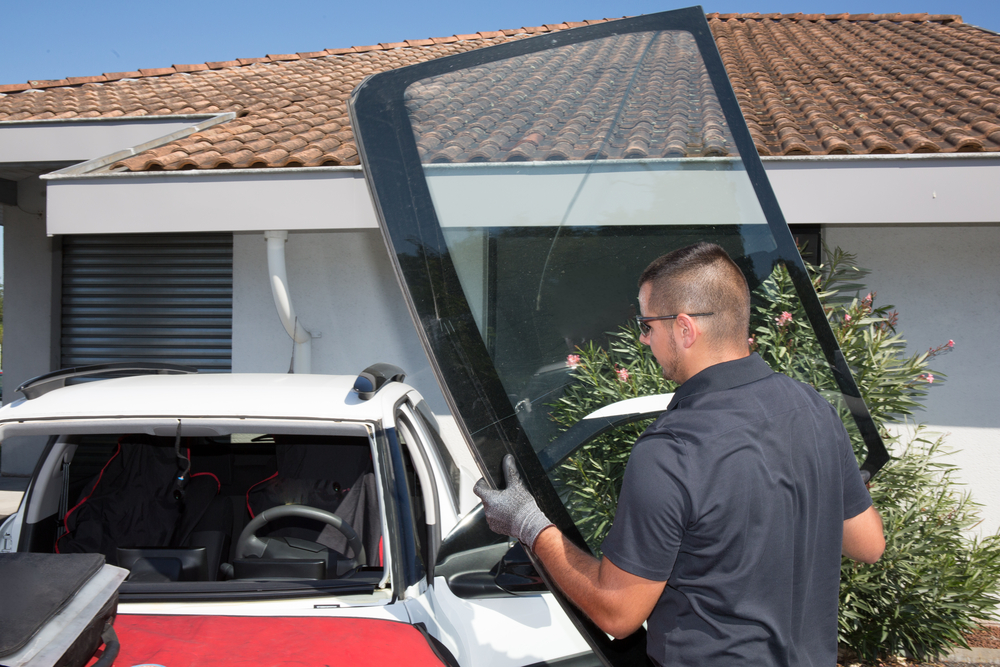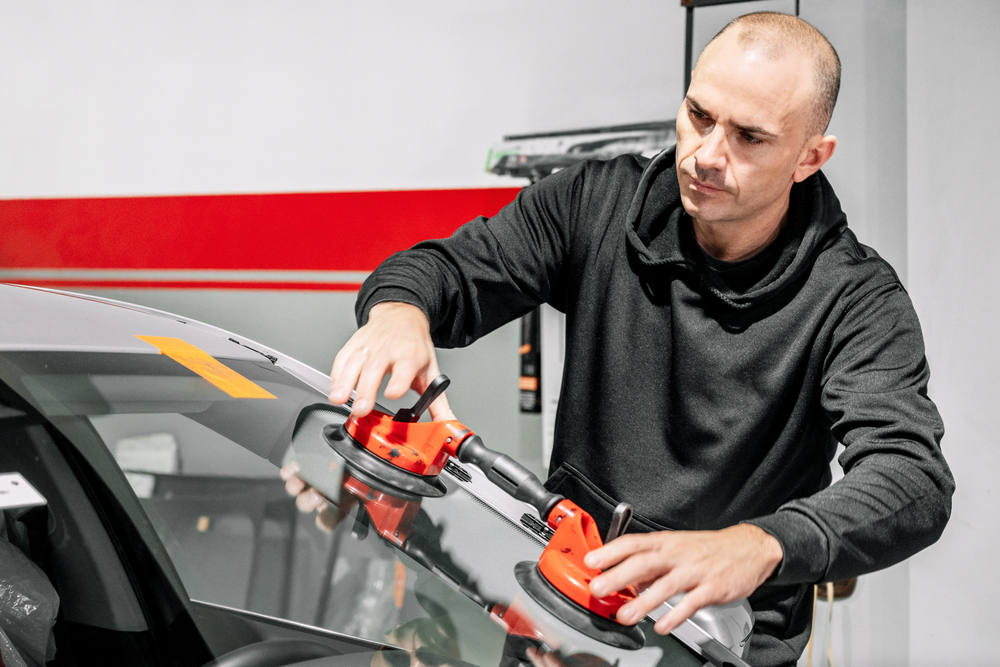

A North Texas storm can turn a normal commute into an expensive auto glass problem in minutes. The best way to prevent hail damage is to make a plan before severe weather is in the forecast, especially when your vehicle sits outside at home, work, or a shopping center. While no precaution can guarantee complete protection during a large hailstorm, the right steps can greatly reduce damage to your windshield, windows, roof, and hood.
Why Hail Is So Hard on Auto Glass
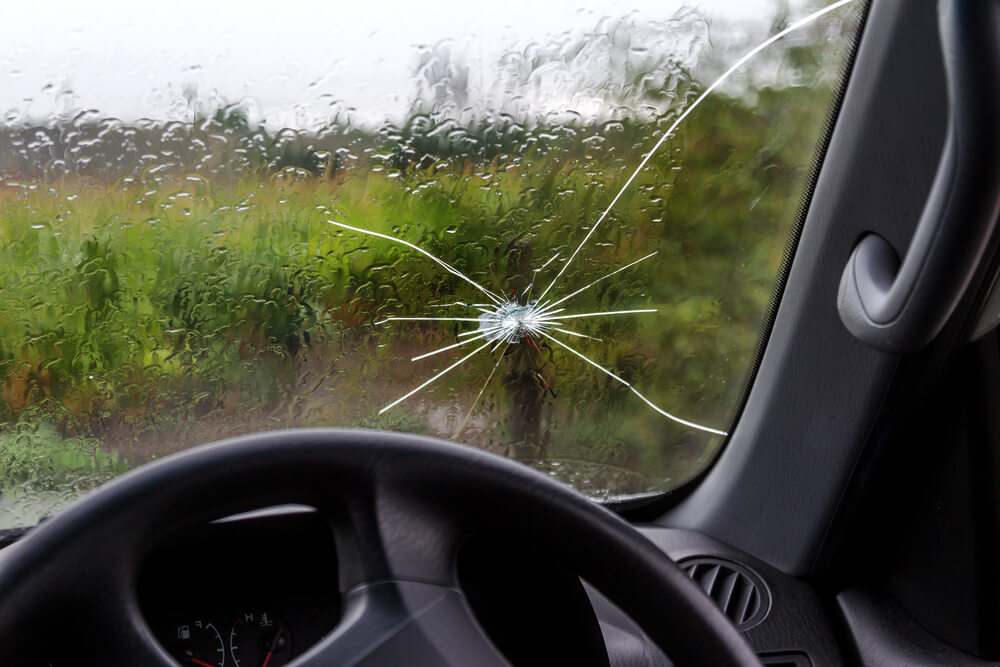
Hail does not need to be baseball-sized to damage a vehicle. Smaller hail can leave dents across body panels, but larger or wind-driven pieces can chip, crack, or shatter auto glass. A windshield that already has a small rock chip is especially vulnerable. The impact from hail can turn a minor repair into a spreading crack that requires a full windshield replacement.
Texas heat also adds to the risk. Glass expands in high temperatures, and sudden cooling from rain and hail can put extra stress on an existing chip or crack. What looked stable yesterday can spread across the windshield after one strong storm.
The safest approach is to protect the vehicle before the weather arrives, then inspect it carefully once the storm has passed. Fast action matters because moisture, dirt, and changing temperatures can make glass damage worse.
How to Prevent Hail Damage Before a Storm
The most reliable protection is a covered parking space. A garage is the best option, followed by a carport, covered parking deck, or a sturdy awning designed to handle severe weather. If you know hail is possible later in the day, moving your vehicle early is usually easier than trying to find shelter once the rain starts.
For Garland, Dallas, Mesquite, Richardson, Plano, Frisco, Rockwall, and nearby communities, watch local weather alerts closely during spring and early summer. Hail can develop quickly in North Texas, and a forecast that calls for severe thunderstorms deserves attention even if the morning starts clear.
If covered parking is unavailable, a properly fitted hail cover can help reduce the impact of smaller hail. These covers use padded material over the hood, roof, trunk, and glass. They are not a substitute for a garage in a major storm, but they can be a worthwhile option for a vehicle that must stay outside.
Avoid using loose blankets, cardboard, floor mats, or other items that can blow away. They may scratch the paint, trap debris against the glass, or become hazards in high wind. If you use a cover, secure it according to the manufacturer's instructions and put it on before conditions become dangerous.
Keep your windshield in good condition before storm season. Repairing a fresh chip is often faster and less expensive than replacing a windshield after a crack spreads. A small chip may not seem urgent, but it creates a weak point where hail impact and rapid temperature changes can do more damage.
Choose Parking With Protection in Mind
Where you park every day makes a real difference. At home, clear garage space for the vehicles you depend on most. At work, ask about covered parking options or identify nearby garages before storm season begins. If a severe weather warning is active, it may be worth moving your vehicle even if it means a short walk.
Do not rely on parking under a tree. Branches can break in heavy wind, and trees do little to stop hail from hitting the windshield or side windows. Parking under an overpass is also unsafe and can block traffic or emergency access. If you are driving when hail begins, find a safe, legal covered area if possible, such as a parking garage or a service-station canopy where you are permitted to park.
Protect Your Windshield While Driving in Hail
If hail starts while you are on the road, your first job is to stay safe. Slow down, increase following distance, and avoid sudden braking. Heavy rain can reduce visibility and make roads slick, while drivers around you may react unpredictably.
Turn on your headlights and keep your attention on the road. Do not stop in an active lane or pull onto the shoulder unless there is an immediate safety reason. If you can safely reach a covered parking area, do so. Otherwise, continue carefully until the storm weakens or a safe location becomes available.
Never try to cover the windshield from inside the vehicle while driving. It limits your visibility and does not protect the glass. Your vehicle's windshield is laminated safety glass, which is built to stay together if damaged, but a severe impact can still create chips, cracks, or spiderweb patterns that need professional attention.
What to Do Right After Hail Hits Your Vehicle
Once the storm has passed and it is safe to go outside, inspect your vehicle in good light. Start with the windshield, rear glass, side windows, mirrors, roof, hood, and trunk. Look for chips, cracks, pitting, or glass that appears hazy after the impact.
Do not press on damaged glass or run your hand across sharp edges. If a side or rear window is shattered, keep the area clear and avoid driving until it can be secured. Broken tempered glass can continue to fall from the window frame, and rain can quickly damage the interior.
Take clear photos of the damage from several angles. Include close-up shots of chips or cracks and wider photos showing the overall condition of the vehicle. This documentation can help with an insurance claim, particularly when hail has affected multiple parts of the car.
If the windshield has only a small chip, protect it from moisture and debris until it can be inspected. Avoid washing the vehicle, slamming doors, blasting the defroster, or using extreme air conditioning directly against the glass. Those pressure and temperature changes can cause the damage to spread.
Repair or Replacement Depends on the Damage
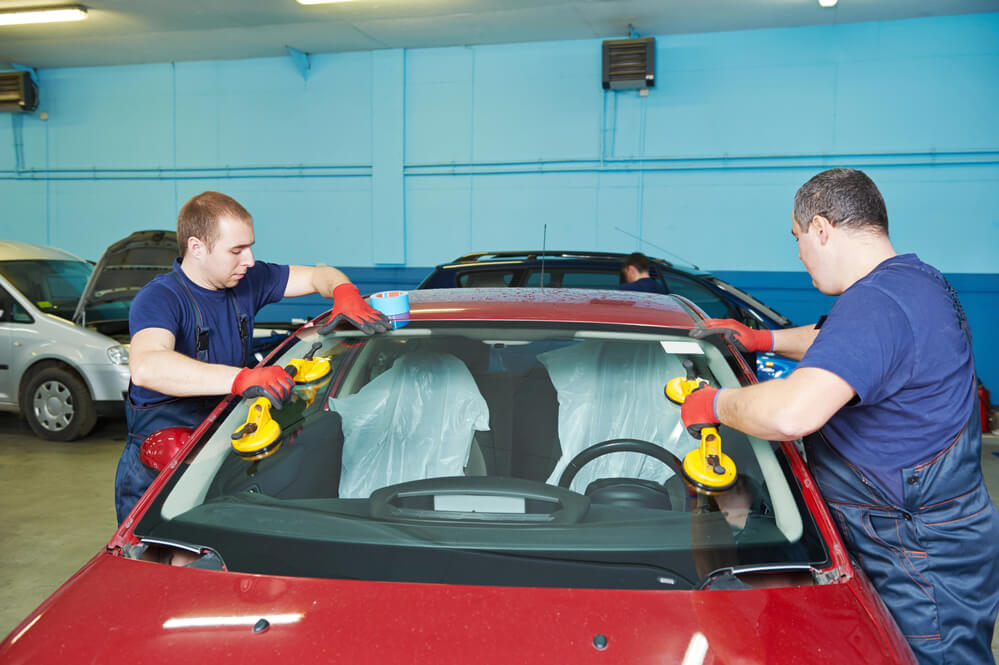
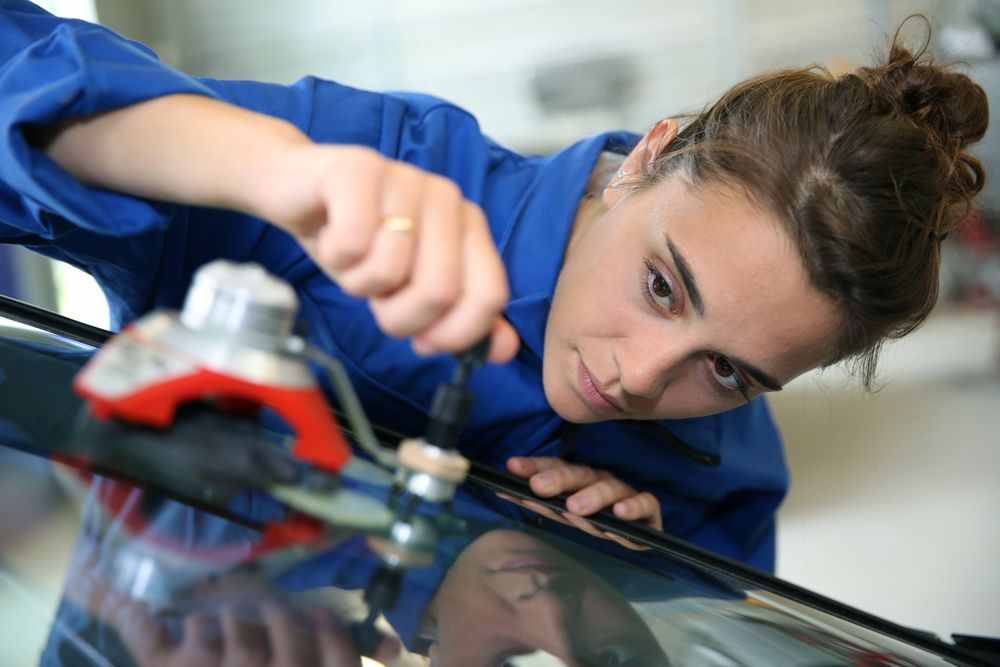
A professional inspection is the best way to determine whether windshield repair is possible. In many cases, a small, recent chip can be repaired if it is away from the driver's direct line of sight and has not developed long cracks. Prompt repair helps restore the glass and can stop a chip from spreading.
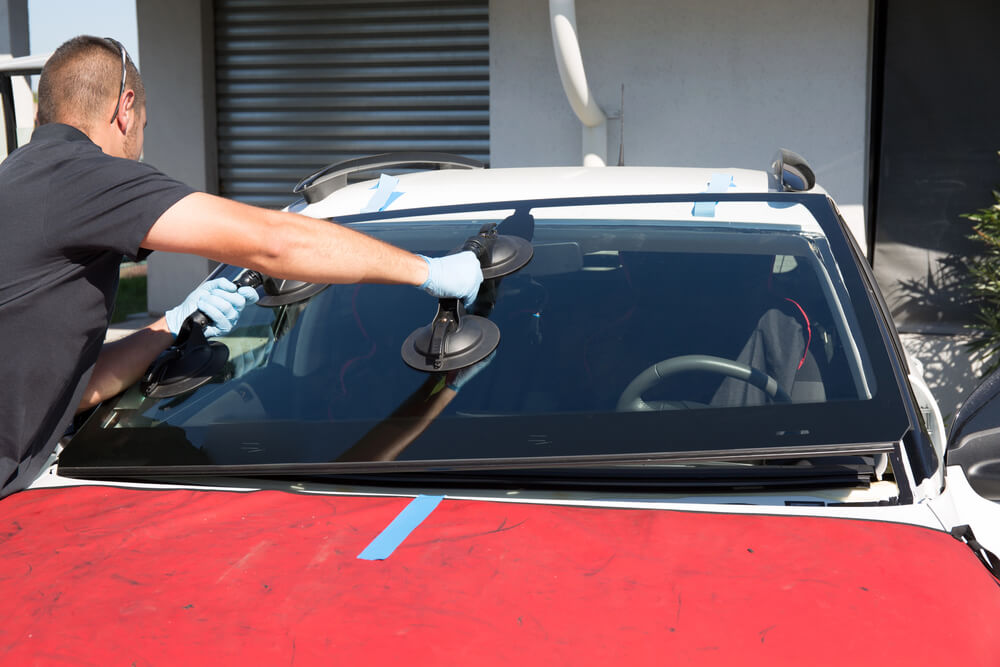
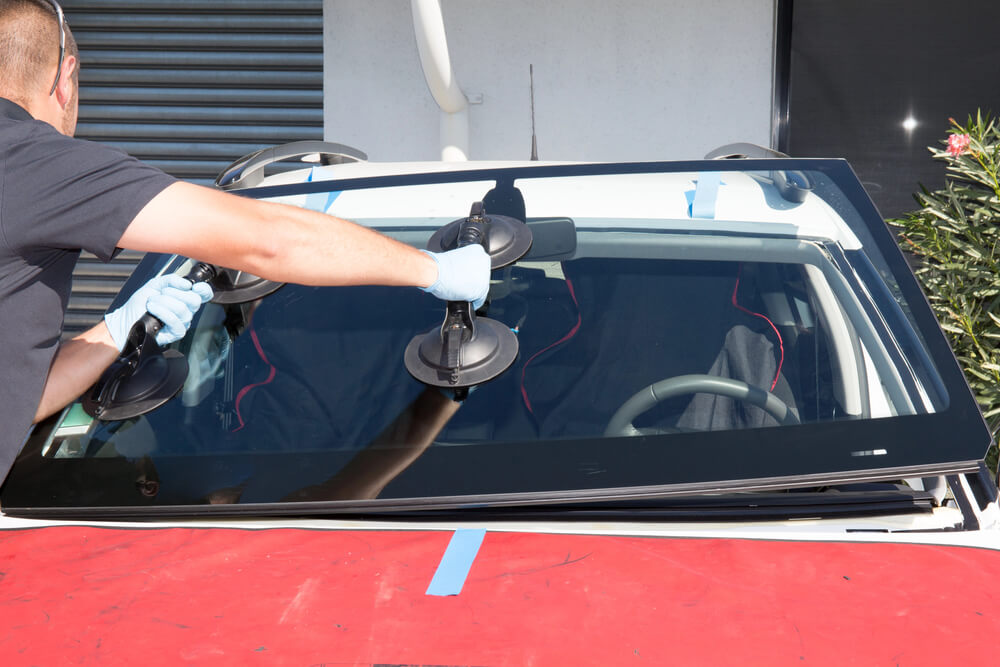
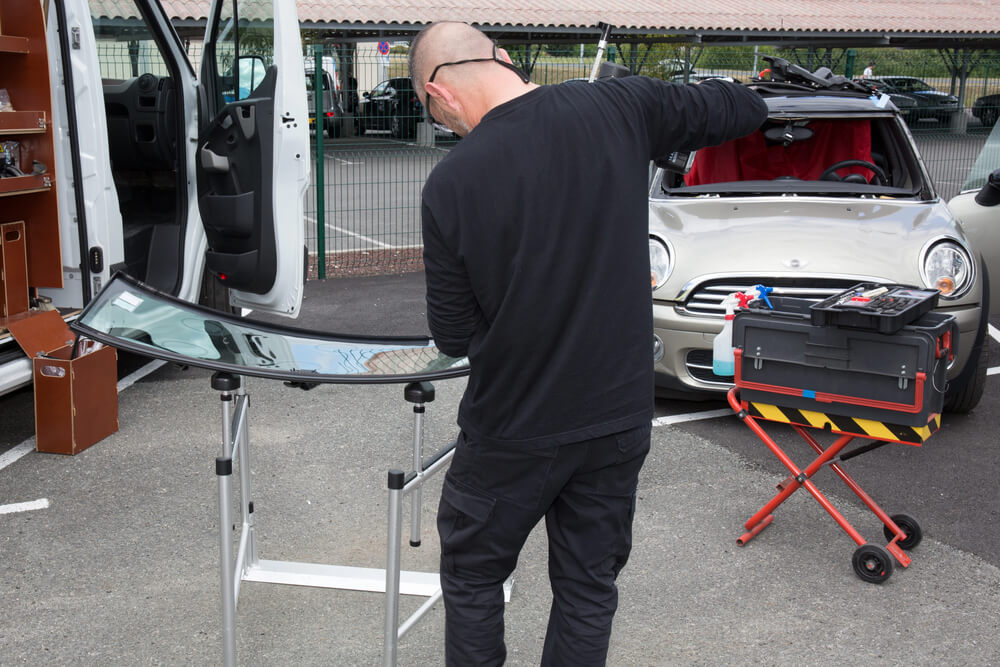
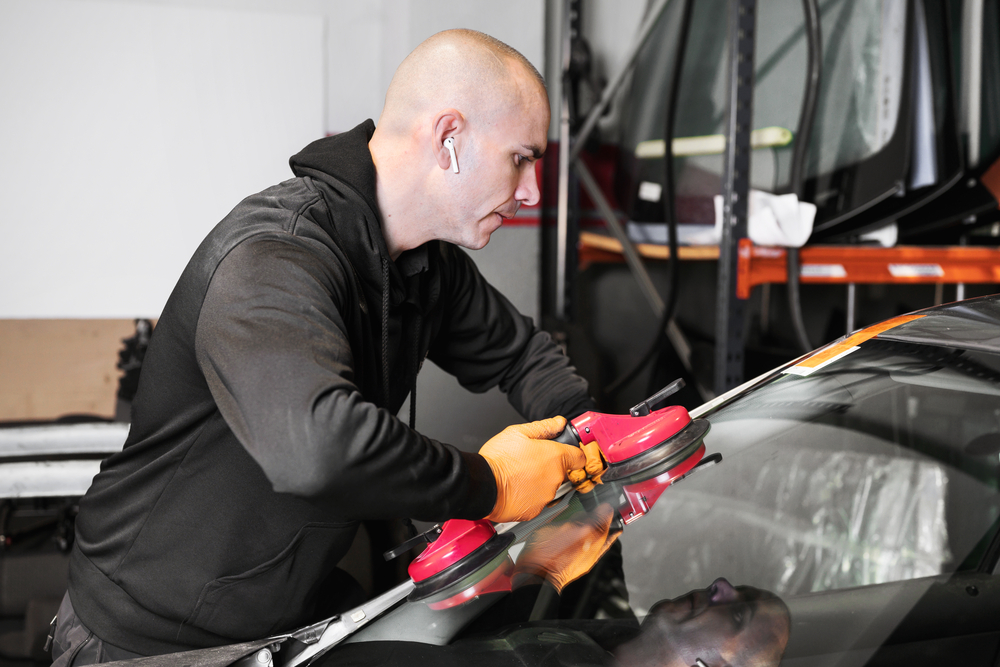
Replacement is often the safer option when a crack is long, damage reaches the edge of the windshield, the glass is badly pitted, or the driver's view is affected. Side and rear windows that shatter generally need replacement because they are made from tempered glass rather than laminated windshield glass.
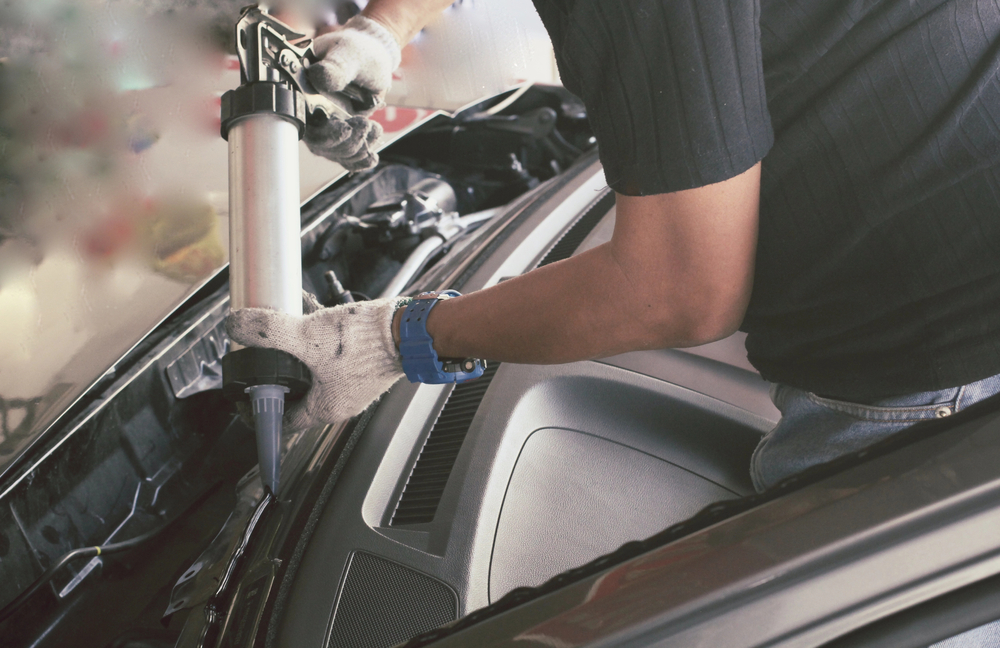
Modern vehicles may also have cameras, sensors, and driver-assistance features connected to the windshield. When replacement is needed, the glass must be installed correctly, and calibration may be required to keep those systems working as intended. This is not a job to delay or handle with a temporary patch.
Make Hail Season Easier to Manage
A few simple habits can save time when the next storm rolls through. Keep your insurance information available, know whether your policy includes comprehensive coverage, and save photos of your vehicle in good condition. Comprehensive coverage often applies to hail damage, although deductibles and policy details vary.
It also helps to have a trusted local auto glass provider in mind before you need one. When a windshield cracks or a car window breaks, you may need fast service at home, at work, or wherever the vehicle is parked. Auto Glass Garland provides reliable mobile and in-shop auto glass service for drivers who need practical help after North Texas weather causes damage.
Hailstorms are part of life in this area, but being prepared gives you more control over the outcome. Park under cover when possible, address windshield chips early, and have damaged glass checked promptly so a fast-moving storm does not keep your vehicle off the road longer than necessary.