
A wet carpet after a North Texas storm is more than an inconvenience. If you need to stop window leaks in your car, acting early can prevent mildew, electrical trouble, bad odors, and damage to the interior trim. The hard part is that the water often shows up far from the actual leak, so the wet spot is not always where the repair needs to happen.
Vehicle glass is designed to keep out rain, road spray, and wind. When it does not, the cause may be a worn window seal, loose windshield molding, damaged door weatherstripping, a blocked drain, or a windshield that was not bonded correctly. A dependable auto glass technician can narrow down the source and recommend the right repair instead of treating the symptom.
Signs Your Vehicle Has a Window Leak
The most obvious sign is water on the floor, seat, dashboard, or inside of a door panel after rain or a car wash. But smaller leaks can be easier to miss. You may notice recurring fog on the inside of the glass, a musty smell when the air conditioner runs, damp seat belts, peeling headliner material, or corrosion around metal trim.
Pay attention to where moisture appears. Water at the top corners of the windshield can point to a failed windshield seal or damaged glass. Water on the front floorboard may be running down behind the dashboard from the windshield area, but it can also come from a door seal or clogged sunroof drain. A wet rear cargo area may involve the back glass, tailgate seals, quarter glass, or rear body vents.
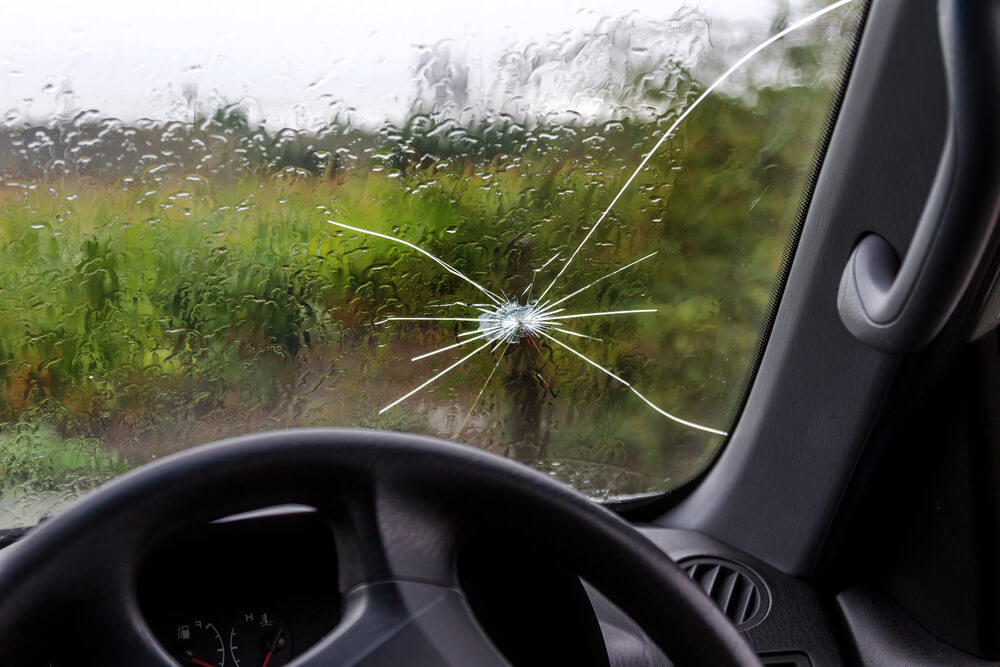
Do not assume a cracked windshield is the only reason for a leak. A windshield can leak without a visible crack, especially after an improper replacement or when the adhesive bond has broken down. On the other hand, a crack near the edge of the windshield deserves prompt attention because it can affect both the seal and the glass strength.
How to Stop Window Leaks Without Guesswork
The right way to stop a leak starts with locating it. Spraying a hose randomly around the vehicle can send water into places it would not normally reach and make diagnosis harder. A technician will usually inspect the glass, rubber seals, trim, door frame, drain paths, and interior moisture pattern before testing suspected areas with controlled water flow.
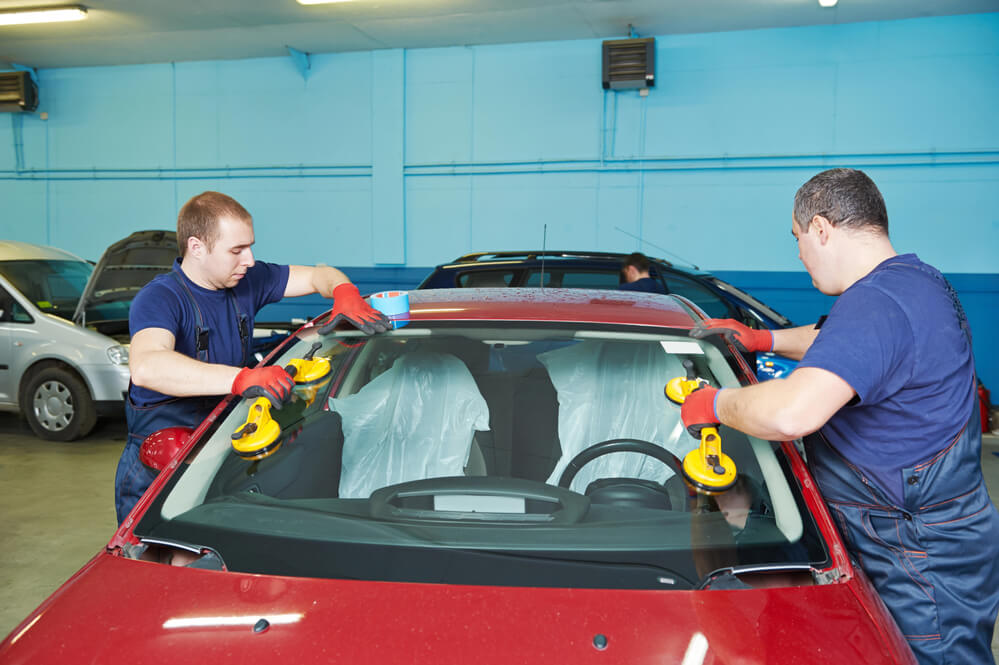
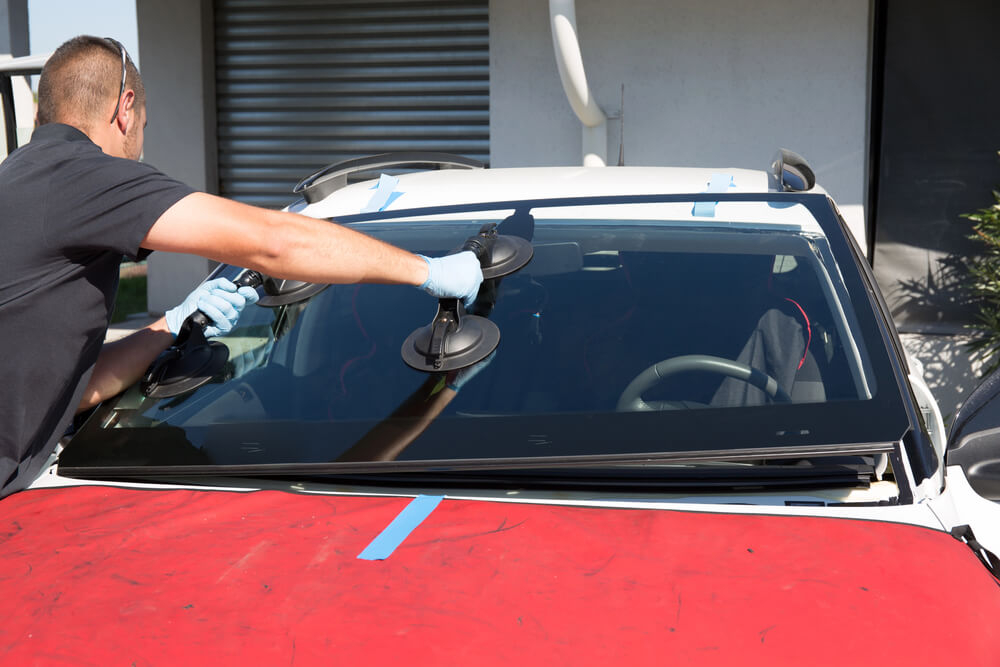
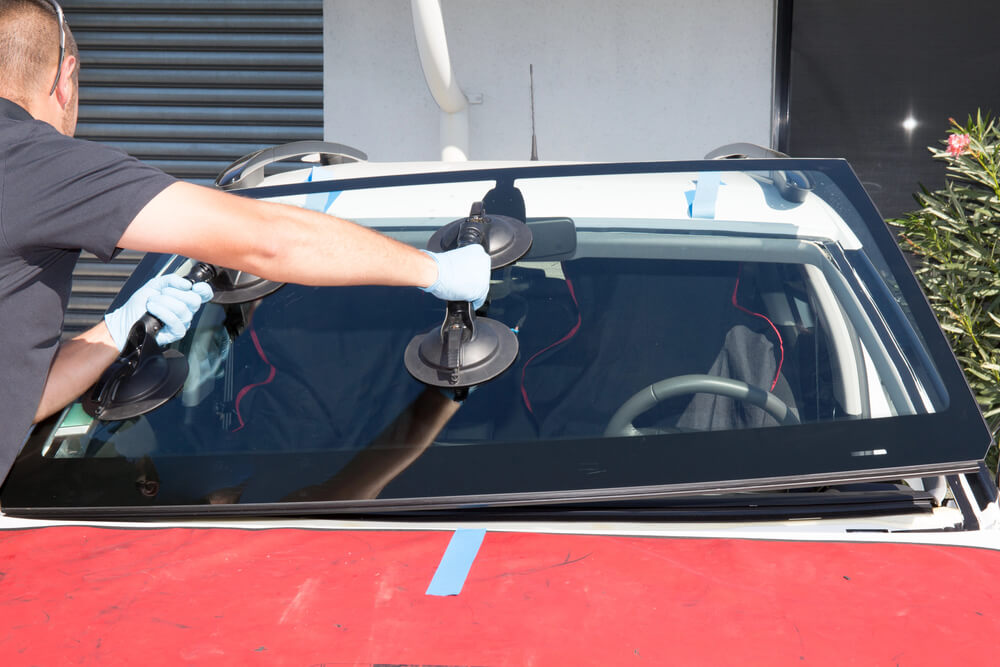
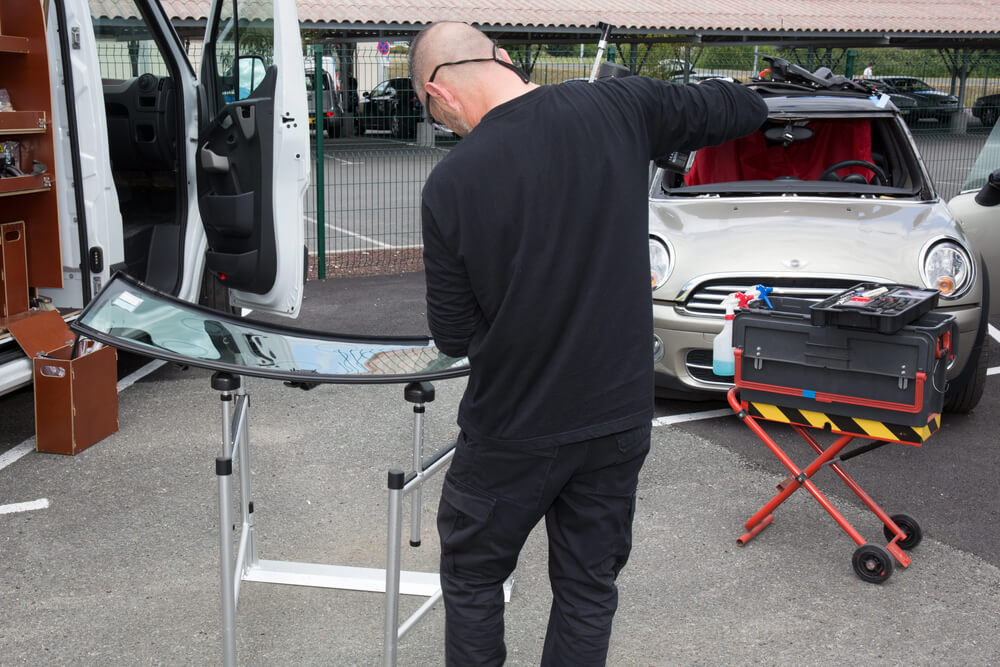
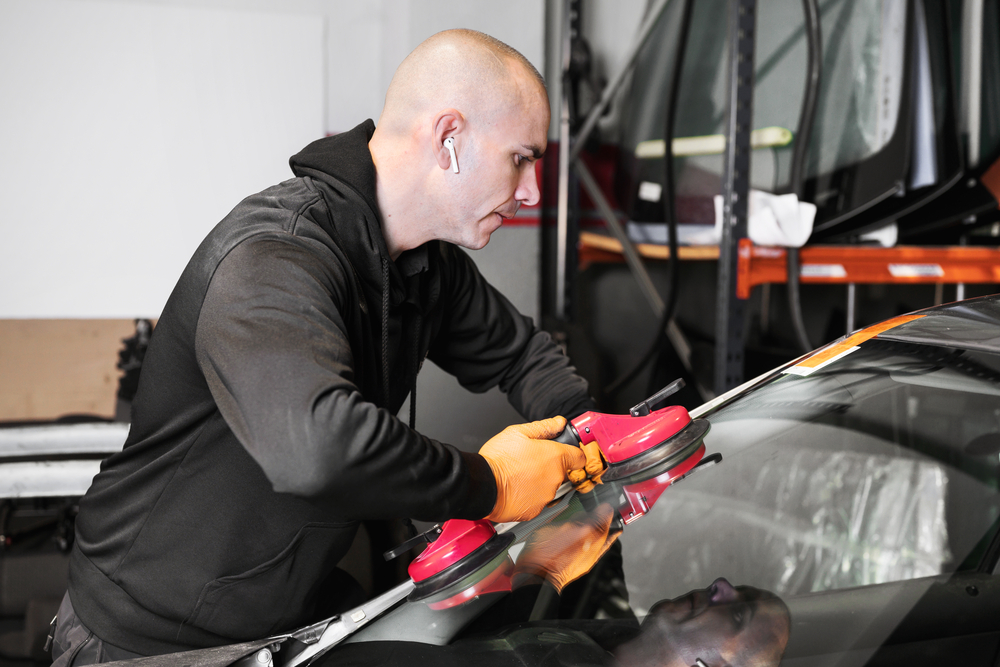
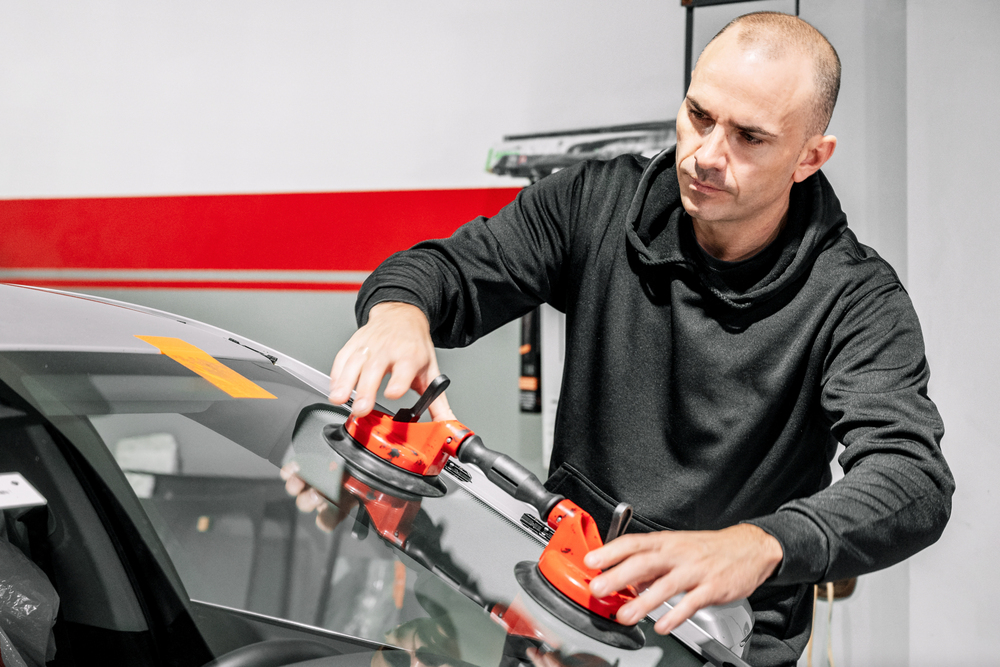
If the leak is around a windshield or back glass, the repair may require removing the glass, cleaning away old urethane, checking for rust or body damage, and reinstalling the glass with the correct automotive adhesive. Simply adding household caulk around the outside is not a reliable repair. It can trap moisture, make a future replacement more difficult, and fail again when temperatures change.
For a rolling side window, the issue may be the outer belt molding, the inner weatherstrip, a misaligned window regulator, or a torn moisture barrier inside the door. That plastic barrier matters more than many drivers realize. Rainwater naturally enters the top of a vehicle door and should drain through openings at the bottom. If the barrier is loose or the drains are blocked, water can move into the cabin instead.
A sunroof can also create confusion. In many vehicles, water enters the sunroof track by design and exits through drain tubes. When a tube clogs, disconnects, or cracks, water may run down the pillars and soak the carpet. This is not always an auto glass replacement issue, but it still needs proper diagnosis so the right system gets repaired.
Common Causes of Car Window Leaks
Age and weather take a toll on every vehicle. Texas heat can dry, shrink, and crack rubber weatherstripping over time. Heavy rain, strong wind, and rapid temperature swings can expose a seal that was already weak. A door that has been forced, bent in a minor accident, or repeatedly slammed may no longer close evenly against its weatherstrip.
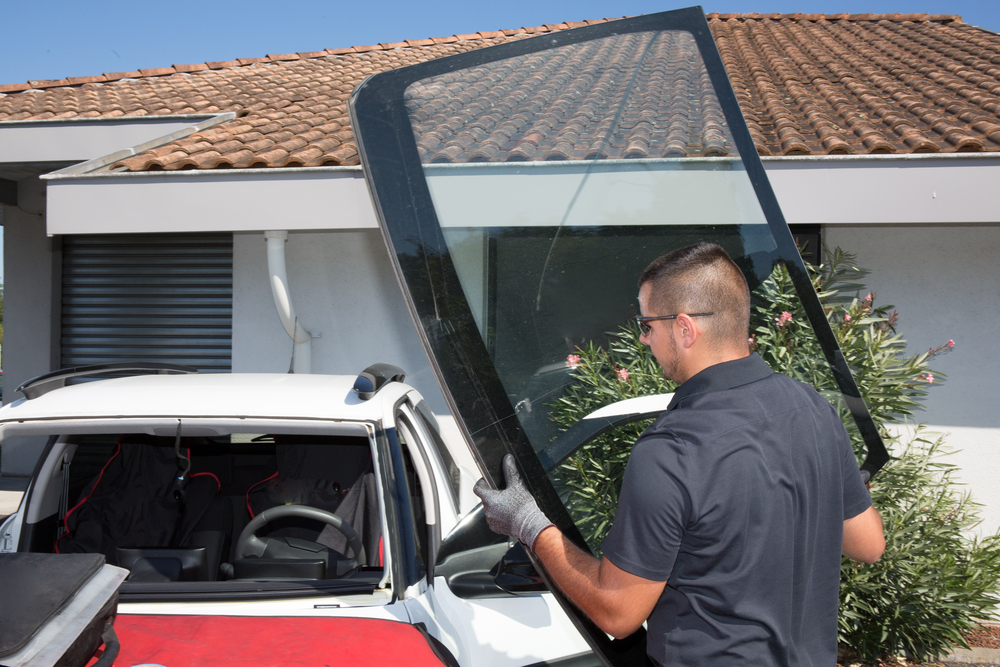
Previous glass work is another factor. A windshield replacement should use the correct glass, primer, adhesive, and installation procedures for the vehicle. If the bonding surface was contaminated, rusted, damaged, or poorly prepared, the adhesive may not create the weather-tight seal your vehicle needs. Loose clips or damaged molding can also allow water to reach areas behind the glass.
Clogged door drains are a simple but common issue. Leaves, dirt, road debris, and old adhesive can block the small drain holes along the lower door edge. When water cannot exit, it builds up inside the door and may spill past the inner barrier. Cleaning a drain can help, but drivers should avoid pushing sharp objects deep into the opening, where they can damage components or force debris farther inside.
Why Temporary Sealants Usually Create Bigger Problems
A tube of silicone may look like a quick fix when rain is coming, but it is rarely the answer for automotive glass leaks. Windshields are structural components in many vehicles. The adhesive does more than hold glass in place - it helps support the roof in a collision and allows airbags to perform as intended.
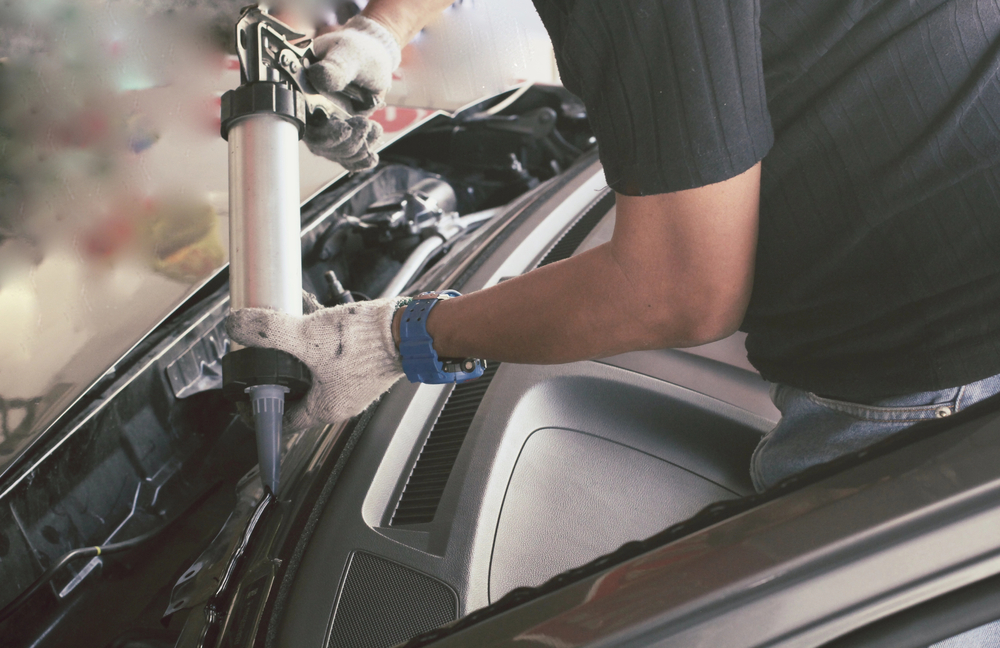
External sealants also do not address corrosion beneath the glass, failed urethane, loose trim, or a misaligned door. Worse, messy sealant can hide the actual leak during inspection. If a professional later needs to remove the windshield, old caulk adds labor and can complicate a proper installation.
There are limited situations where a technician may use an approved automotive sealing material for a specific trim or weatherstrip concern. That decision depends on the vehicle, the location of the leak, and the condition of the original components. The goal is a durable repair, not a temporary barrier that looks fine until the next storm.
When a Windshield Leak Needs Immediate Service
Schedule service promptly if water is reaching electrical components, pooling under the dashboard, soaking the headliner, or collecting around fuse boxes and wiring. Modern vehicles have sensors, cameras, modules, and connections in areas where moisture can cause expensive problems. A leak near an Advanced Driver Assistance System camera area may also require attention to the windshield installation and calibration needs after replacement.
You should also move quickly if you see rust around the windshield frame. Surface rust can sometimes be treated during a proper replacement, depending on its extent. Severe corrosion may require body repair before new glass can be safely installed. Waiting lets the problem spread beneath the glass where it is harder to see and more costly to correct.
If water is only appearing after the air conditioner runs, the cause could be an A/C condensate drain rather than a window leak. The same is true of coolant odors or oily residue, which may indicate a heater core problem. This is why a clear inspection matters. A reliable provider should tell you when the source is outside the glass system instead of selling an unnecessary replacement.
What to Do Before Your Appointment
Remove towels, floor mats, and personal items from the wet area so the interior can begin drying. If possible, park under cover and keep the vehicle out of heavy rain until the source is repaired. Leaving standing water inside can lead to mold and can damage carpet padding, insulation, and wiring beneath the floor.
Take a few photos of the moisture location and note when it happens: after rain, after a wash, while driving, or only when the A/C is on. That information helps speed up diagnosis. Avoid removing windshield trim, pulling door panels apart, or drilling drain holes unless you know the vehicle system well. Small clips, vapor barriers, and wiring connectors are easy to damage.
For drivers in Garland, Dallas, and nearby communities, Auto Glass Garland can inspect suspected windshield, back glass, and vehicle window leaks and explain whether repair or replacement is the safer option. Mobile service may be a practical choice when the vehicle is not safe or convenient to drive, while in-shop work can be better for repairs that need more involved inspection or glass removal.
A dry cabin starts with finding the real path of the water. Get the leak checked before the next hard rain turns a seal problem into interior damage, and you can get back to driving with confidence.