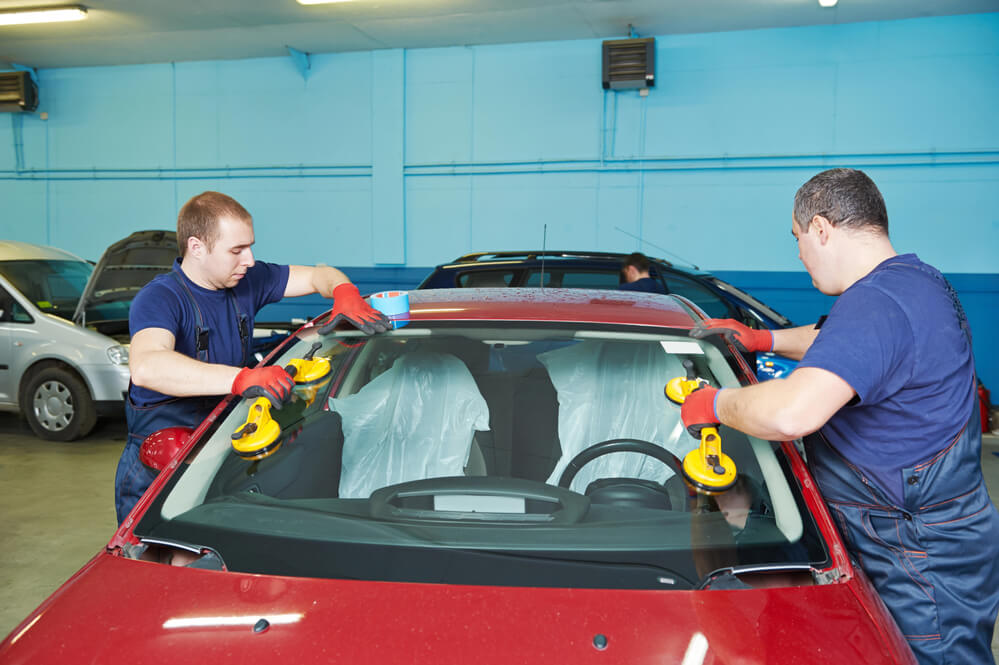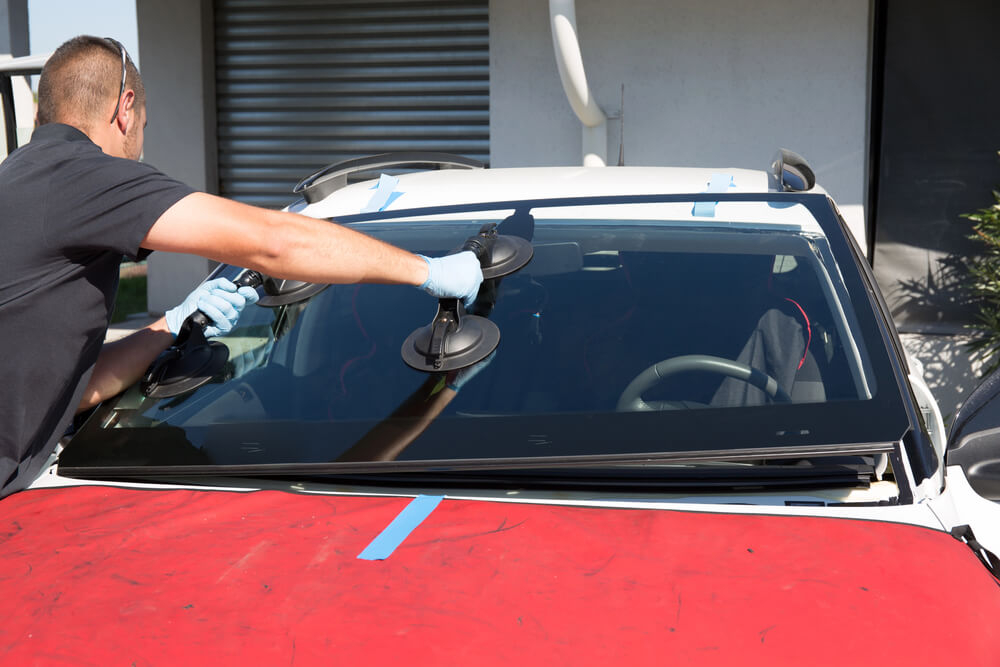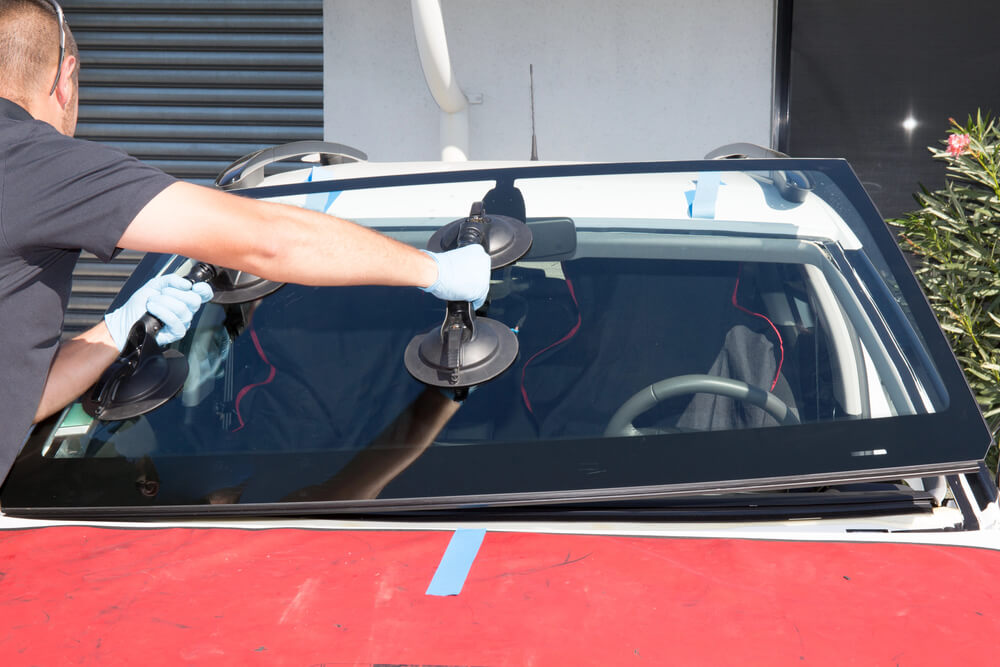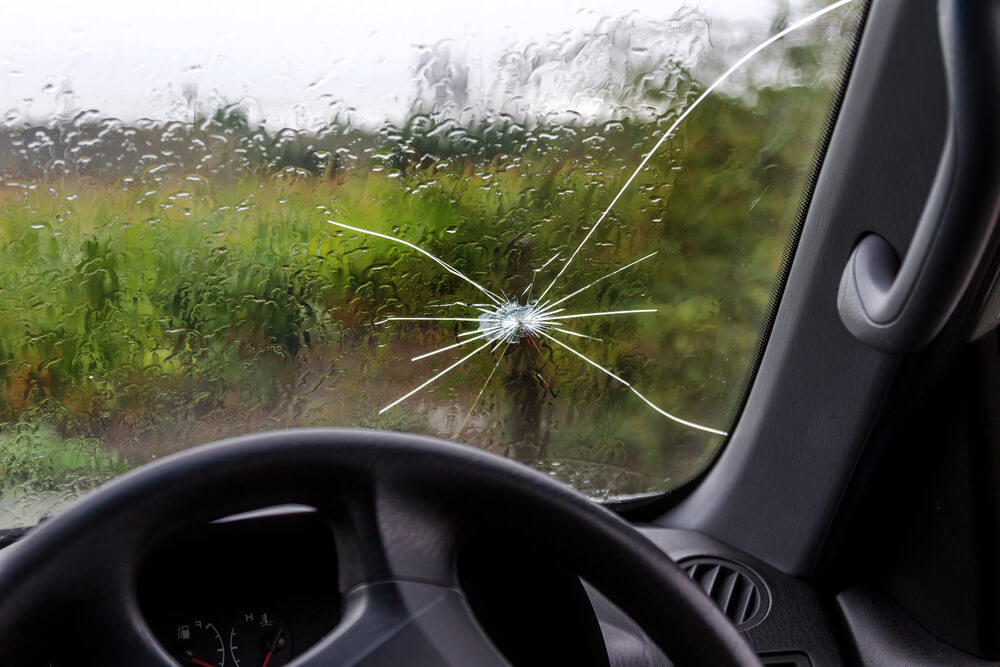

A windshield chip can turn into a spreading crack on a North Texas commute, especially after heat, highway vibration, or a sudden cold front. If you are wondering how to choose auto glass shop service without wasting time or risking a poor repair, focus on the details that affect safety, cost, and how quickly you can get back on the road.
The lowest quote is not always the best value, and the shop that can arrive first is not automatically the right fit either. A reliable local provider should be able to explain what your vehicle needs, give you clear pricing, and perform the work without creating another problem down the line.
How to Choose an Auto Glass Shop for Safe Work
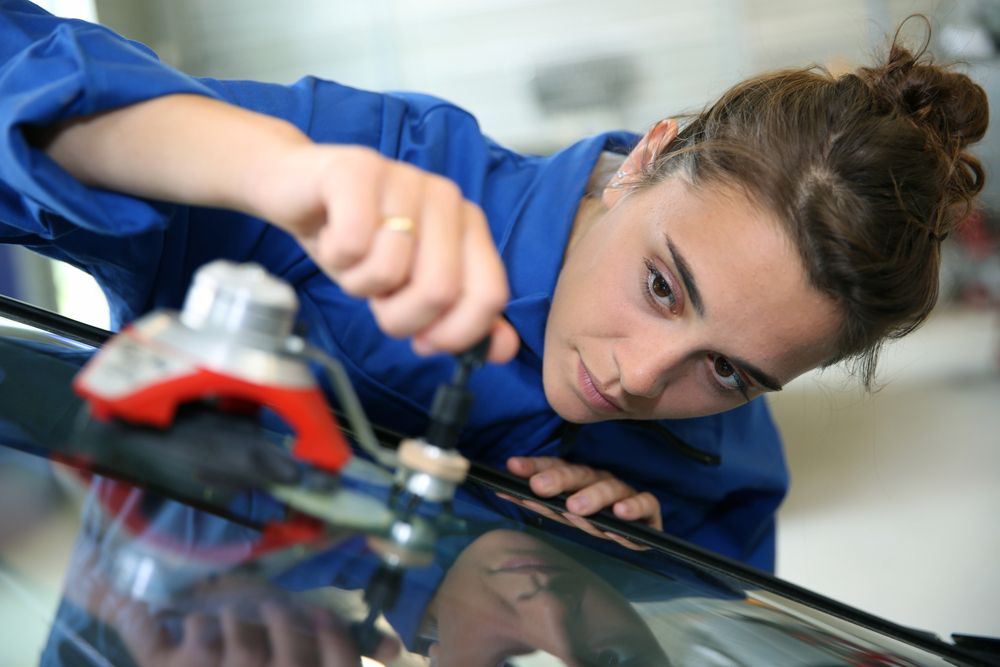
Start with the type of damage. A small chip may be repairable if it is not directly in the driver's primary viewing area and has not spread into a long crack. Repair is often faster and less expensive than replacement, but it is not the right answer for every windshield. A trustworthy shop will inspect the damage first instead of pushing the service that happens to cost more.
For replacement, ask whether the technician will use glass that meets your vehicle's required safety standards. Your windshield is more than a clear barrier from wind and rain. It supports the roof in a rollover and helps airbags deploy as designed. Proper glass, adhesive, preparation, and installation time all matter.
A good shop should give you a direct answer about the parts being installed. Some vehicles can use quality aftermarket glass with no issue. Others may benefit from original equipment manufacturer, or OEM, glass because of fit, optical clarity, sound control, or camera compatibility. The best choice depends on your vehicle, insurance coverage, and budget. What matters is that the shop explains the options honestly rather than leaving you guessing.
Ask About the Technician's Experience
Auto glass work looks simple until it is done incorrectly. A poor installation can lead to wind noise, water leaks, loose trim, glass stress, or safety concerns. Ask whether the person doing the work has experience with your vehicle type and whether the shop follows current auto glass installation procedures.
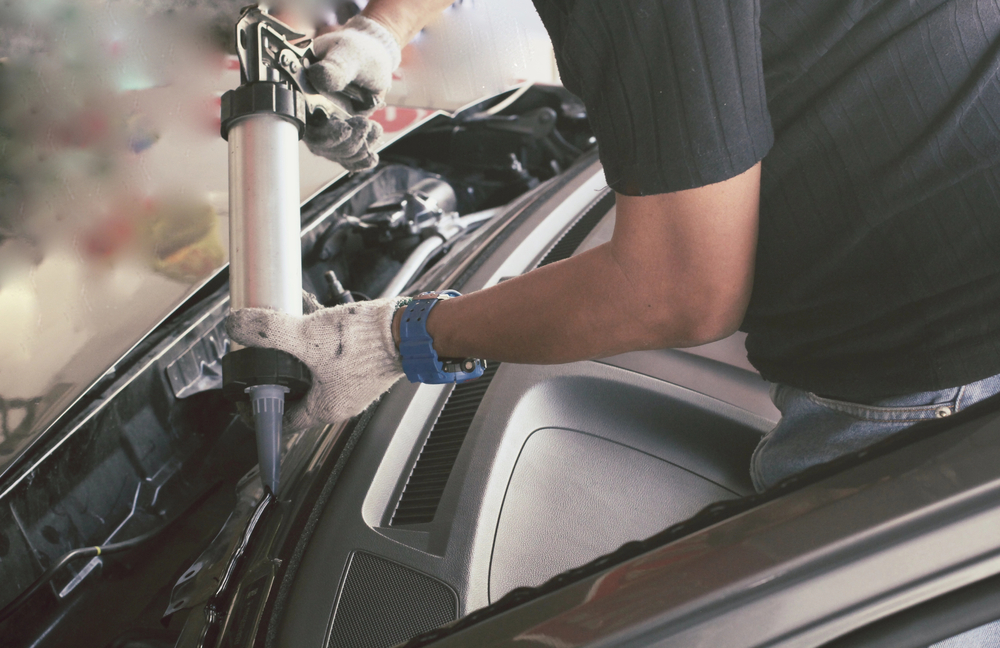
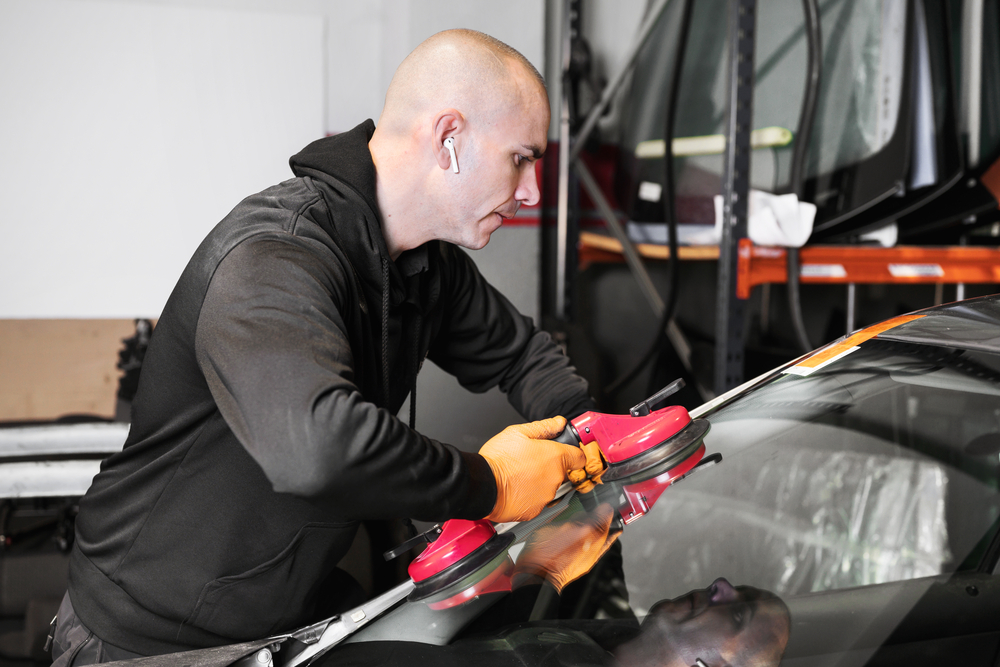
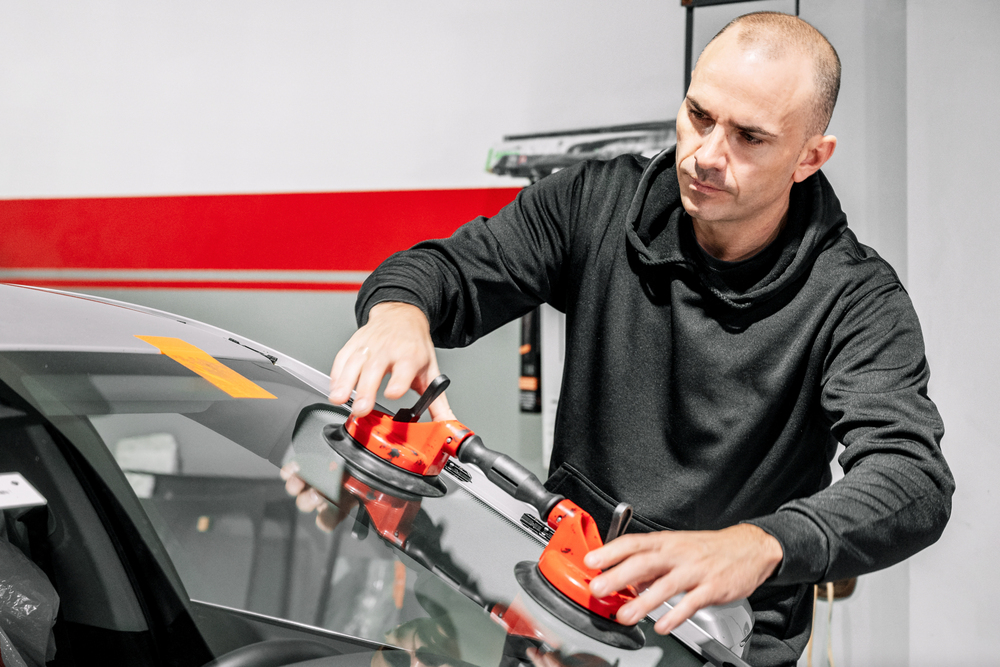
You do not need a technical lecture. You do deserve a clear explanation of how the shop will remove the damaged glass, prepare the frame, install the new windshield, and allow the adhesive to cure. If someone cannot answer basic questions or seems rushed to get you off the phone, keep looking.
Experience matters even more on late-model vehicles. Many cars, trucks, and SUVs have cameras and sensors mounted near the windshield. These features can support lane departure alerts, forward collision warnings, automatic emergency braking, and adaptive cruise control. Replacing the glass may require calibration of the advanced driver assistance system, often called ADAS.
Do Not Skip ADAS Calibration Questions
Ask whether your vehicle needs calibration after windshield replacement and how the shop handles it. Some vehicles require static calibration in a controlled setting, while others use a road-based process. In some cases, both are needed.
A reliable provider will verify the requirement for your make and model instead of assuming every windshield replacement is the same. They should also tell you whether calibration is included in the estimate, completed on-site, or scheduled separately. A warning light, a camera that is slightly out of position, or an uncalibrated system is not something to ignore.
Compare Estimates Beyond the Bottom Line
Getting more than one estimate is reasonable, especially for full windshield replacement. Compare what each quote includes before choosing based on the final number. One estimate may cover the glass only, while another includes moldings, adhesive, mobile service, disposal, sensor calibration, and labor.
Ask for a written breakdown. You want to know the type of glass being used, whether new trim or clips are needed, any calibration charge, taxes, and whether there could be added costs once the old windshield is removed. A clear estimate helps prevent surprises when the work is finished.
Be careful with pricing that sounds too good to be true. Very low quotes can sometimes mean lower-grade materials, skipped preparation steps, or fees that appear later. That does not mean the most expensive shop is automatically better. Fair pricing is transparent pricing, backed by workmanship and a willingness to stand behind the job.
Ask What the Warranty Covers
A workmanship warranty is a practical sign that a shop takes responsibility for its installation. Ask what happens if you notice wind noise, water leaks, loose molding, or an installation-related issue after the repair.
Also separate the glass warranty from the labor warranty. Glass can be damaged by a new rock strike the day after installation, and that is different from a defect or installation problem. Knowing the difference upfront makes the process easier if you need help later.
Choose Mobile Service Carefully
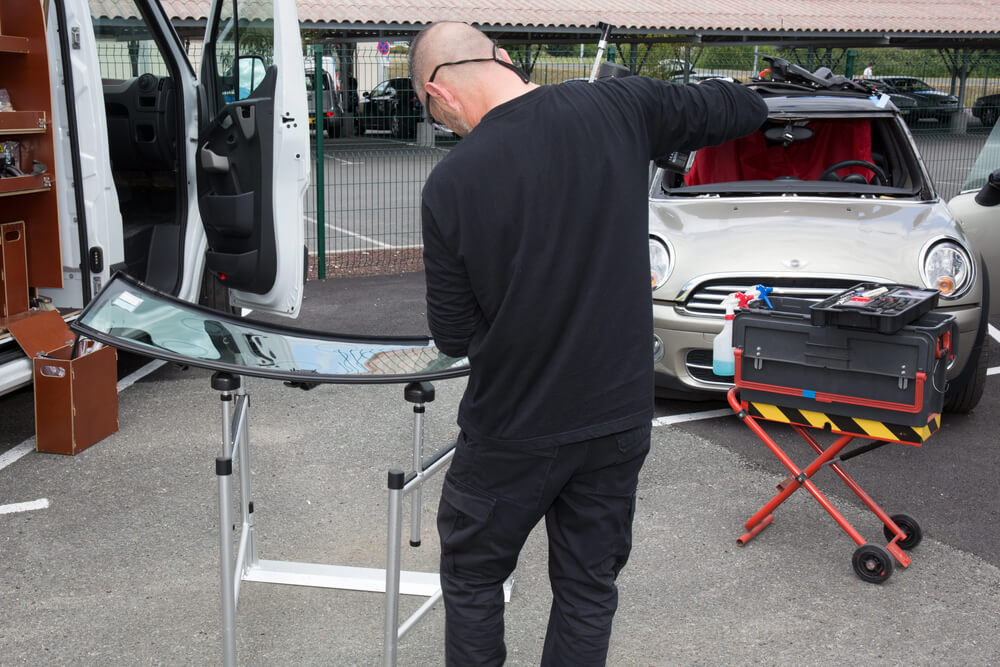
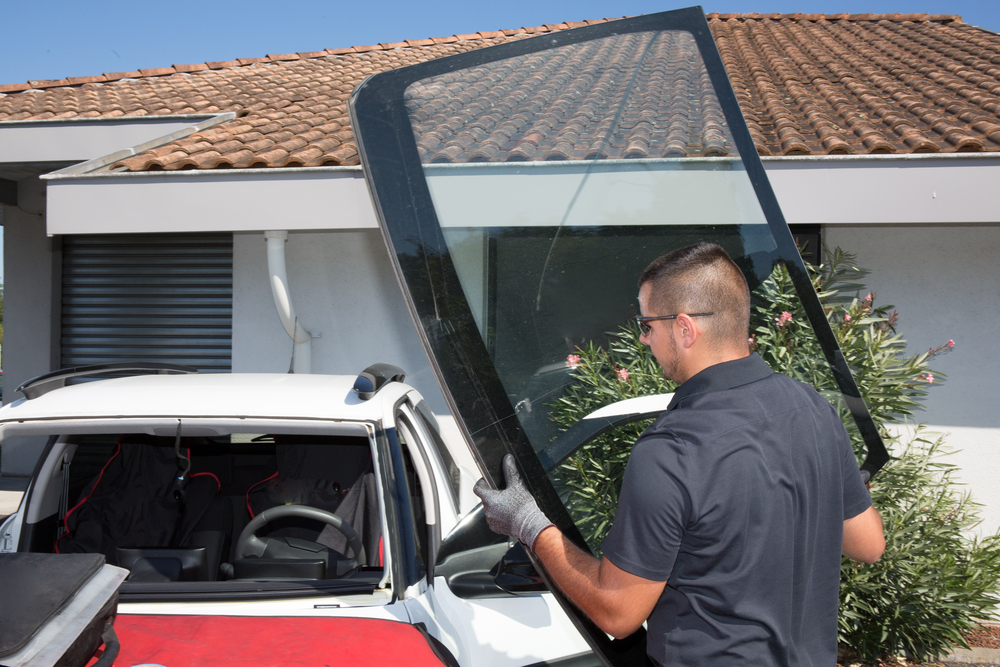
Mobile auto glass service can save a workday, avoid an unsafe drive, and make a stressful situation more manageable. It is especially useful when a side window is shattered, a windshield crack blocks your view, or your vehicle should not be driven until the glass is addressed.
Still, mobile service has limits. The technician needs a safe, reasonably clean workspace and weather conditions that allow adhesive and materials to perform properly. Heavy rain, excessive wind, limited space, or unsafe parking conditions may make an in-shop appointment the better choice.
Ask the shop what they need from you before they arrive. A dependable mobile provider will explain where the vehicle should be parked, how long the work may take, and when it is safe to drive after replacement. That safe-drive-away time is important because windshield adhesive needs time to cure correctly.
For Garland, Dallas, Richardson, Mesquite, Plano, Rockwall, and nearby communities, local coverage also matters. A shop that regularly serves your area is more likely to provide realistic arrival windows and understand the practical demands of local traffic and daily commuting.
Make Sure Insurance Help Is Actually Helpful
Auto glass claims can be simple, but they can also become frustrating when you are trying to coordinate a repair, a deductible, and a busy schedule. Ask whether the shop can verify coverage, work with your insurer, and help you understand your out-of-pocket cost before work begins.
You still have the right to choose the auto glass provider you want. Insurance may recommend a network shop, but a recommendation is not the same as a requirement. The right shop will explain your options without pressuring you and will be straightforward if your deductible makes a claim less practical than paying directly.
For a small repair, many policies waive the deductible. For a replacement, your deductible may apply. It depends on your coverage, the cause of damage, and the policy details. A clear conversation early can help you avoid an unexpected bill.
Look for Straight Answers and Local Accountability
Before booking, pay attention to how the shop communicates. Do they answer the phone or return messages promptly? Can they confirm the glass is available? Will they provide an appointment window instead of a vague promise? These basic signs often tell you what service will be like when the technician arrives.
Reviews can help, but read them with a practical eye. Look for repeated comments about punctuality, clean work, accurate estimates, helpful staff, and how the company handled a problem. One unhappy review does not tell the full story. A pattern of missed appointments, surprise charges, or leaks after installation does.
A local shop also has a reason to protect its reputation in the community. Auto Glass Garland approaches every repair or replacement with that responsibility in mind: explain the work clearly, use dependable materials, and help drivers get back to normal with as little hassle as possible.
Before You Book the Appointment
Take a few minutes to confirm the essentials. You should know whether your damage can be repaired or needs replacement, what glass will be used, the full expected price, whether ADAS calibration is required, and when the vehicle can safely be driven.
If you are scheduling mobile service, confirm the address, parking conditions, and the expected arrival window. If you are using insurance, have your policy information available and ask about your deductible before authorizing the work.
Your vehicle may be how you get to work, school, appointments, and everything else that fills your week. Choose a shop that treats the damaged glass as a safety issue, not just a quick sale, and you will have far more confidence every time you get behind the wheel.