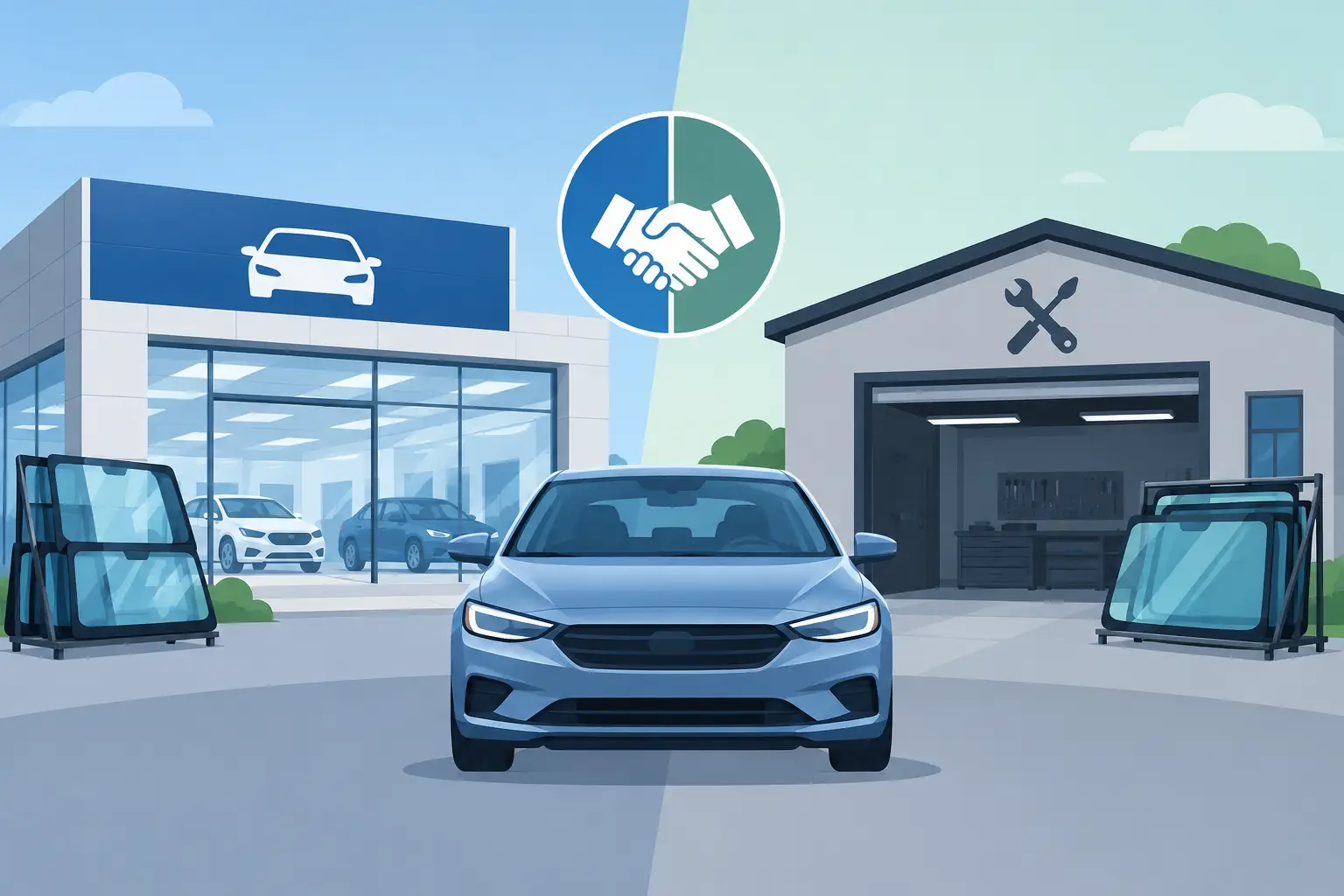
A cracked windshield can turn a normal commute through Garland or Dallas into a same-day decision. The dealer versus independent glass shop question usually comes up after you have already noticed the crack spreading, glass on the seat, or a driver-assist warning on the dash. Both can be valid choices. The better fit depends on your vehicle, the damage, your insurance, and how quickly you need to get safely back on the road.
For most drivers, the goal is simple: safe glass, proper installation, fair pricing, and as little disruption as possible. Knowing what each option actually offers can help you make that call without getting buried in technical jargon.
Dealer Versus Independent Glass Shop: The Main Difference
A dealership is tied to a specific vehicle brand. Its service department may handle auto glass directly, coordinate with a glass vendor, or recommend a replacement through the manufacturer network. This can appeal to owners of newer vehicles, luxury models, or vehicles that are still under certain warranty coverage.
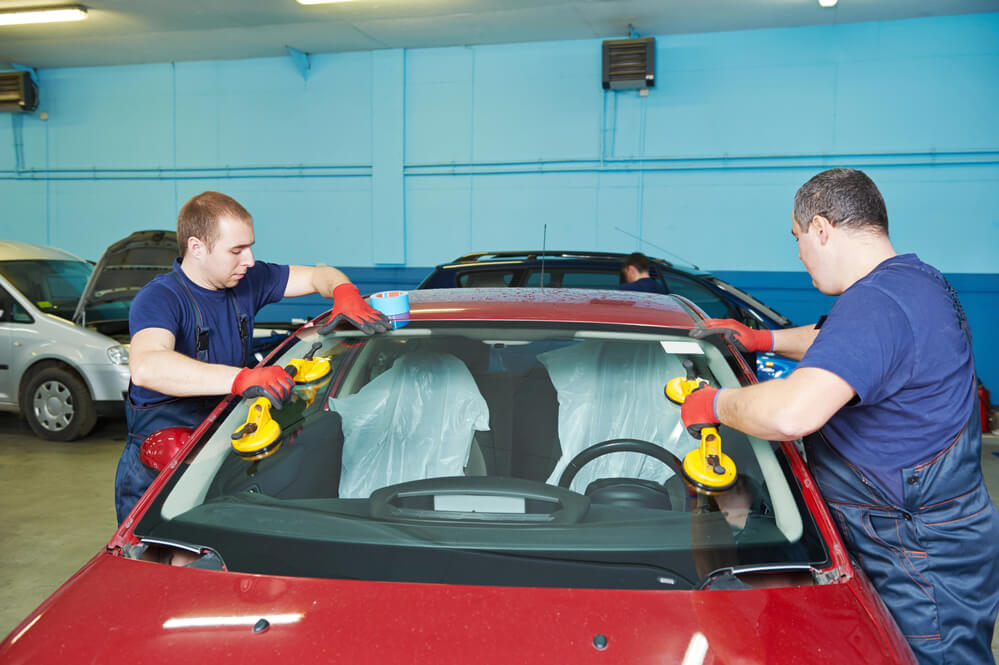
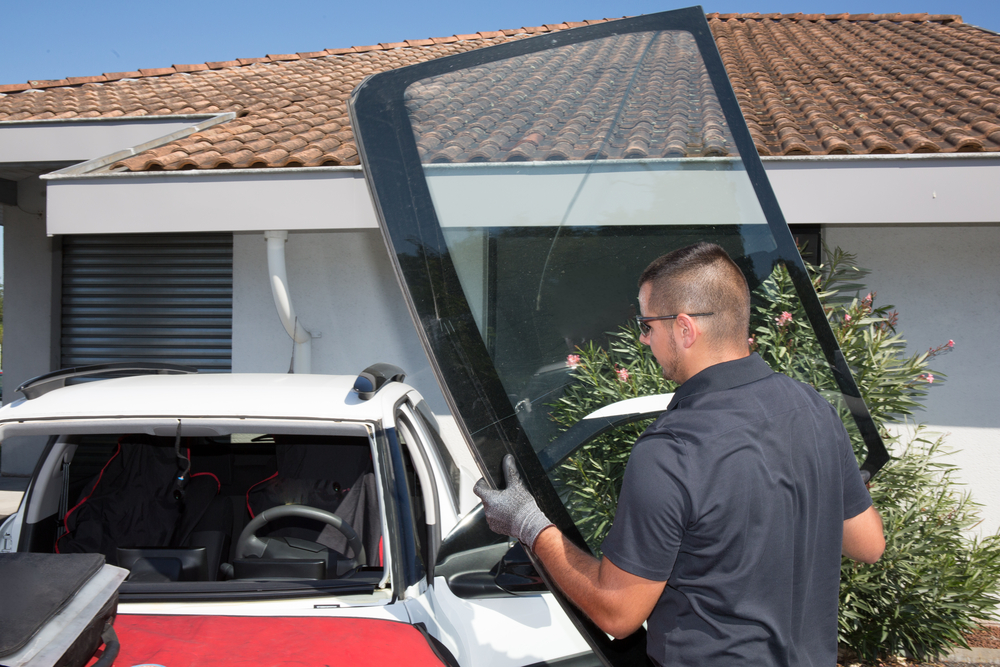
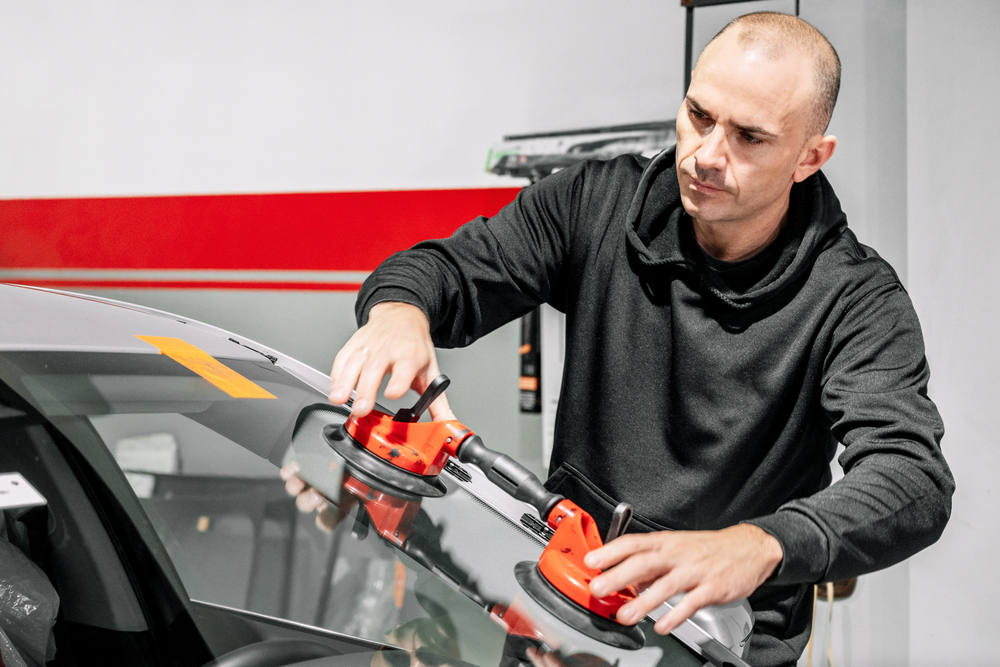
An independent auto glass shop specializes in glass repair and replacement across many makes and models. A qualified local shop can often repair a chip, replace a windshield, replace a broken door window, help with an insurance claim, and provide mobile service at your home or workplace.
The real difference is not simply dealer versus local shop. It is whether the provider can source the right glass, install it correctly, handle required safety-system calibration, and stand behind the work. Those are the details that affect visibility, weather protection, and vehicle safety.
Cost Often Favors an Independent Shop
Dealer service departments commonly have higher overhead. Their pricing may reflect brand-specific parts policies, dealership labor rates, and the added layers involved when a dealer sends the job to an outside glass provider. That does not automatically mean dealer work is poor value, but it can mean a higher quote for the same basic windshield replacement.
Independent glass shops generally have more flexibility in sourcing. Depending on your vehicle and needs, they may offer original equipment manufacturer glass, often called OEM glass, or high-quality aftermarket glass that meets applicable safety standards. This creates more room to match the repair to your budget.
A low price should never be the only reason to choose a shop. Ask what glass is being installed, whether moldings and clips are included when needed, and whether calibration is part of the quote. A quote that looks cheaper at first can become more expensive if necessary work is left out.
OEM Glass Is Not Always a Dealer-Only Option
Many drivers assume that choosing a dealer is the only way to get OEM glass. That is not always true. Independent glass shops can often order OEM glass for many vehicles, especially when a customer requests it or when an insurance policy requires it.
OEM glass is made to the vehicle manufacturer’s specifications and may carry the vehicle brand’s logo. It can be a sensible choice for some late-model, luxury, or specialty vehicles. It may also be preferred if your windshield has a complex heads-up display, acoustic features, heating elements, or camera mounting hardware.
Aftermarket glass is made by a different manufacturer to fit the vehicle and meet safety requirements. It is frequently a practical and dependable option, particularly for common vehicles. The exact fit, available features, and optical quality can vary by manufacturer, which is why it helps to work with a shop that explains the options instead of pushing one answer for every car.
If OEM glass matters to you, ask directly. A reliable independent shop should tell you what is available, what it costs, and whether your insurance will cover the difference.
Safety Systems Make Proper Calibration Essential
Modern windshields do more than block wind and rain. Many hold cameras and sensors used by advanced driver-assistance systems, or ADAS. These systems may support lane departure warnings, lane-keeping assistance, forward collision alerts, automatic braking, adaptive cruise functions, and more.
After a windshield replacement, the forward-facing camera may need recalibration. This is not a cosmetic add-on. If calibration is required and is not performed correctly, the vehicle’s safety features may not operate as intended.
A dealership may have access to brand-specific equipment and procedures, which can be helpful for certain models. A capable independent shop can also provide static calibration, dynamic calibration, or arrange the correct procedure based on the vehicle’s requirements. The key is confirming the process before the work begins.
Ask these questions when you get an estimate: Does my vehicle require ADAS calibration after windshield replacement? Is calibration included in the price? Will I receive documentation that the calibration was completed? Clear answers are a good sign that the provider is focused on safe, complete service.
Speed and Convenience Usually Favor Local Glass Service
A dealership appointment can work well when your vehicle is already in for other service and timing is not urgent. But if your windshield cracked overnight, a side window was broken, or you cannot safely drive the vehicle, waiting days for a dealership opening may not be practical.
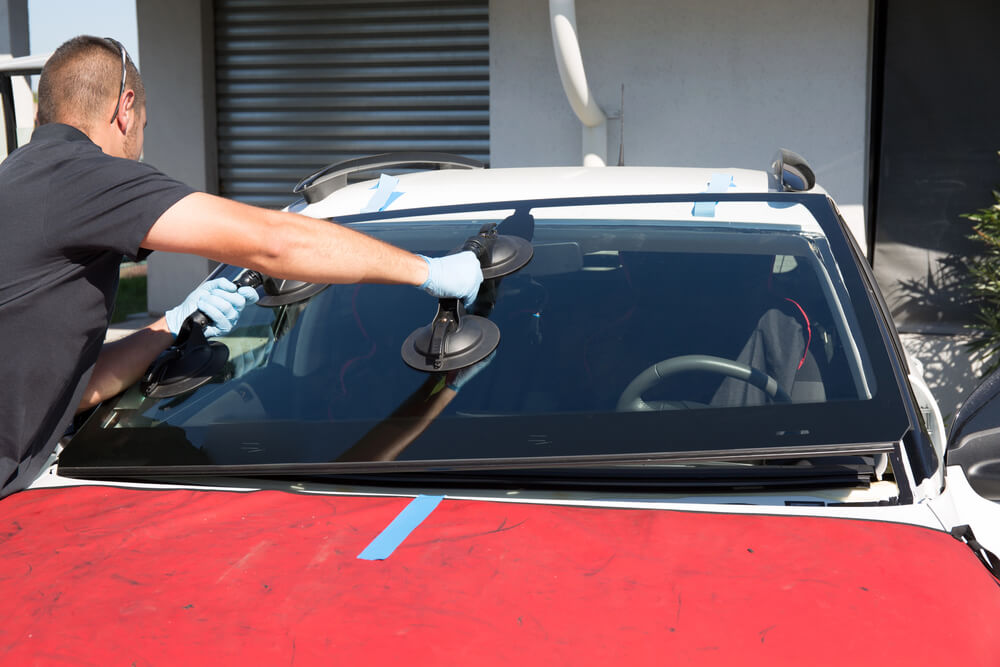
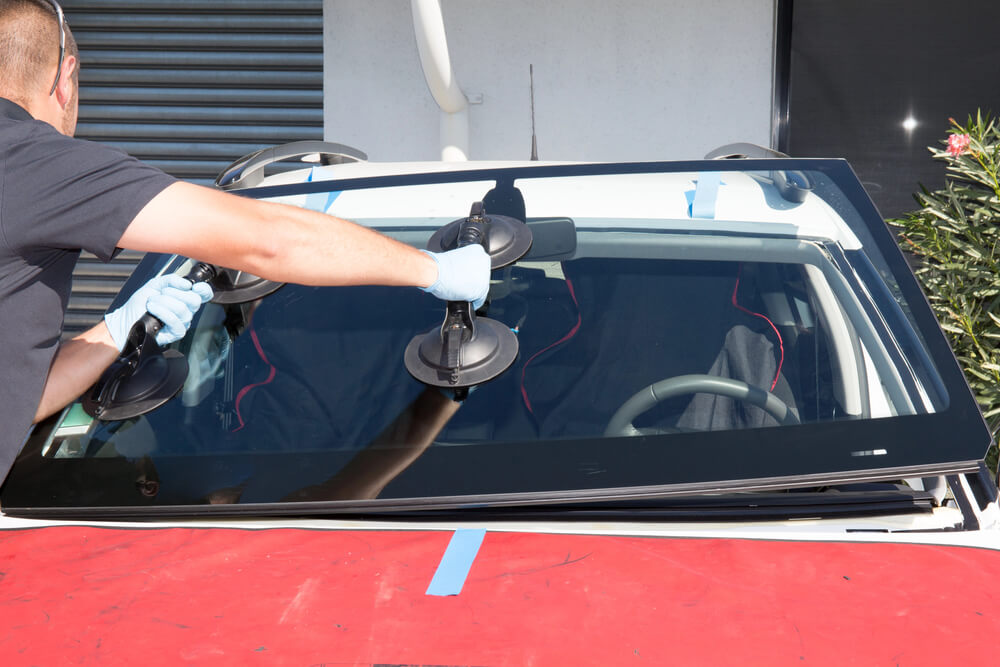
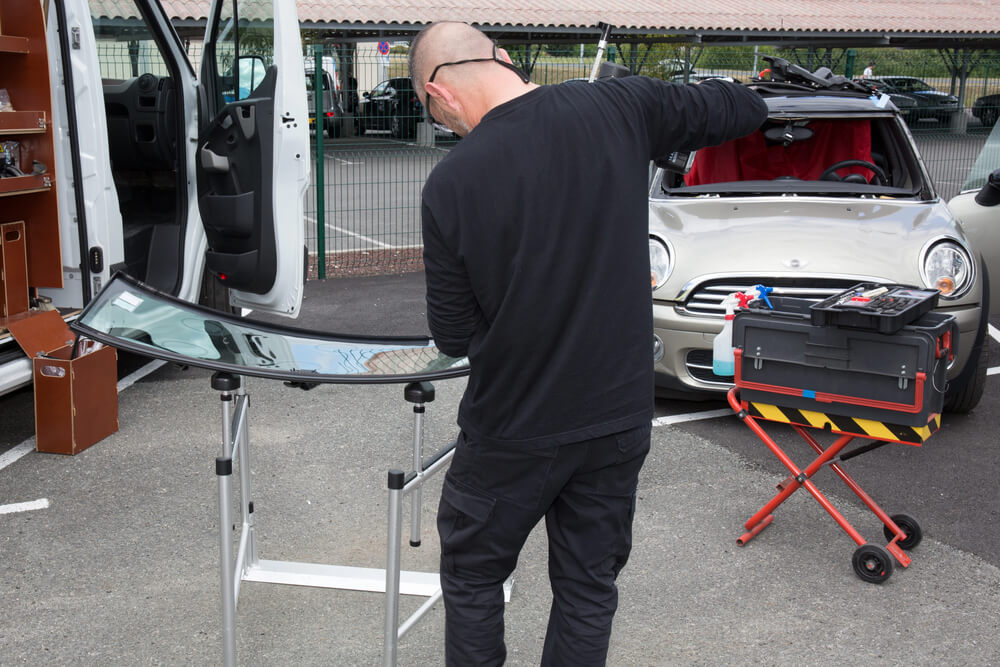
Independent auto glass shops are often built around urgent local needs. They may offer faster scheduling, in-shop appointments, and mobile auto glass service. For a busy parent, commuter, rideshare driver, or worker who cannot lose a day, having a technician come to the driveway or office parking lot can make a major difference.
Mobile service is not right for every job. Heavy rain, extreme conditions, limited workspace, or complex calibration needs can make an in-shop replacement the safer choice. A trustworthy shop will be honest about that rather than promising a mobile installation that does not give the technician proper conditions to do the job correctly.
Insurance Help Can Save Time and Frustration
Auto glass claims can feel confusing when you are already dealing with a damaged vehicle. Some policies cover windshield repair with little or no out-of-pocket cost, while replacement may involve a deductible. Coverage for OEM glass and ADAS calibration can also vary.
Dealership staff may help you identify what repairs are needed, but an independent glass shop often handles glass claims every day. They can verify coverage, coordinate with the insurer, explain the deductible, and help keep the process moving. You still have the right to choose your repair provider in many situations, even if an insurer suggests a particular network shop.
Do not authorize work based only on a vague statement that insurance will handle it. Confirm your deductible, the type of replacement glass approved, and whether recalibration is covered. A clear estimate prevents surprises when the job is done.
When a Dealer May Be the Better Choice
There are situations where the dealership route makes sense. A dealer may be worth considering if your vehicle has a rare windshield configuration, a very new model with limited glass availability, unusual manufacturer technology, or an active warranty concern that needs to be documented through the dealer.
It can also be useful when your vehicle needs mechanical, body, or electrical work at the same time. Keeping multiple repairs in one place may be worth the added cost or longer wait for some owners.
Even then, ask whether the dealer performs the glass work in-house or sends it elsewhere. That information gives you a more accurate comparison. You may find that the same type of specialized glass service is available from a local independent provider with more flexible scheduling.
When an Independent Shop Is the Better Choice
An independent glass shop is often the practical choice when you need fast help with a chip, crack, shattered side window, back glass, or windshield replacement. It is especially useful when convenience matters, you want a choice between OEM and aftermarket options, or you need mobile service around Garland, Dallas, or nearby North Texas communities.
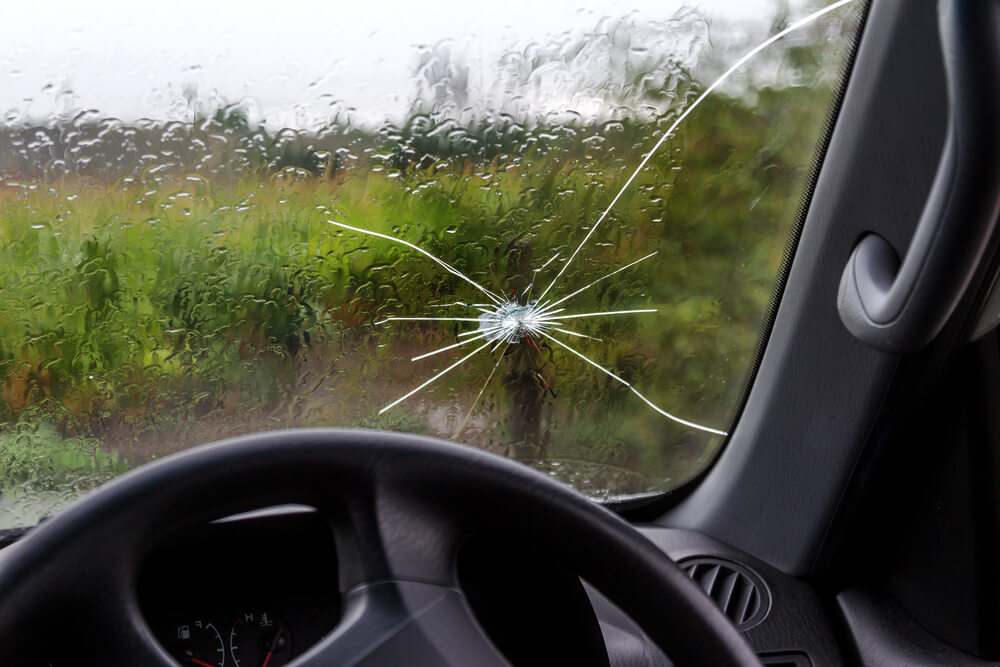
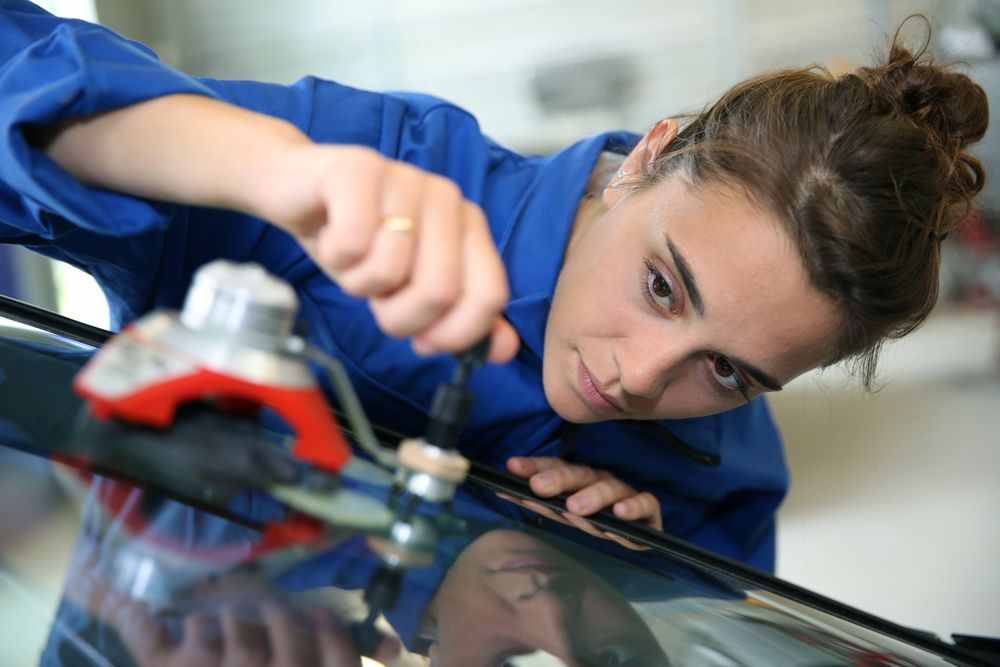
Look for a shop that inspects the damage first. Small chips can sometimes be repaired if they are addressed quickly and are outside the driver’s main viewing area. A repair is usually faster and more affordable than replacement, but not every crack is repairable. Damage near the edge of the windshield, long cracks, deep breaks, contamination, and certain camera-area damage may require replacement instead.
The best provider will explain why, not pressure you into work you do not need.
What to Ask Before You Schedule
Before selecting a dealer or glass shop, get a written answer on the replacement glass type, total price, warranty, availability, and expected completion time. If your vehicle has driver-assist features, confirm calibration and documentation. If you are filing a claim, verify the deductible and whether the estimate includes all related work.
For broken side or rear glass, ask whether the technician will remove loose glass from the door, cabin, trunk, or cargo area. Replacing the window is only part of the job. Cleaning out the debris and checking the regulator or tracks matters too.
The right choice should leave you feeling informed, not rushed. Whether you choose a dealership or a local specialist, choose the provider that can clearly explain the work, use the correct materials, and complete the job safely on your schedule. When damaged glass is keeping you from driving with confidence, a fast, reliable inspection is the best place to start.