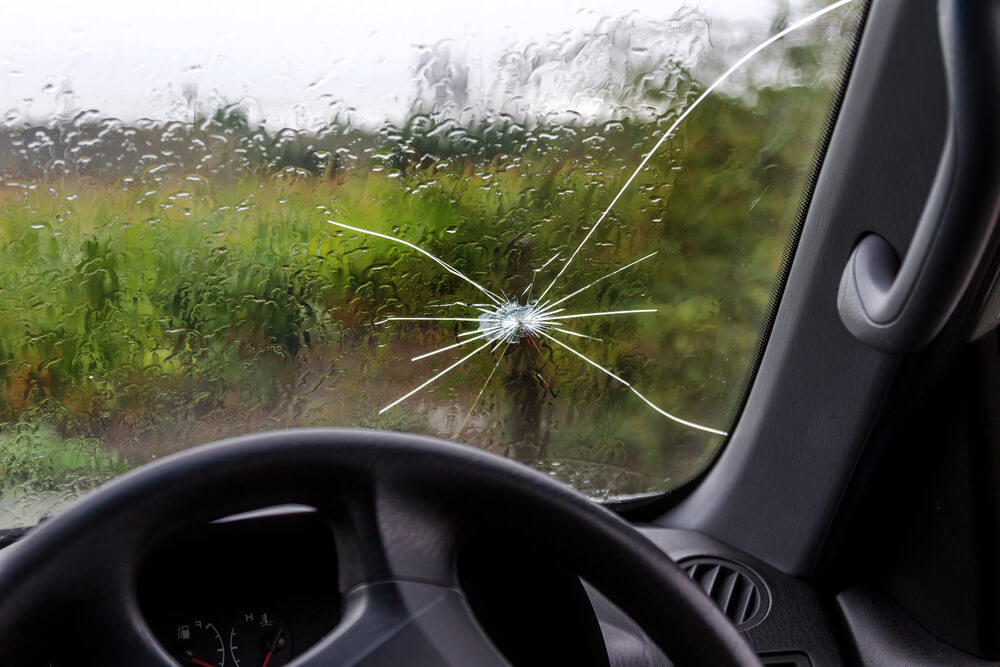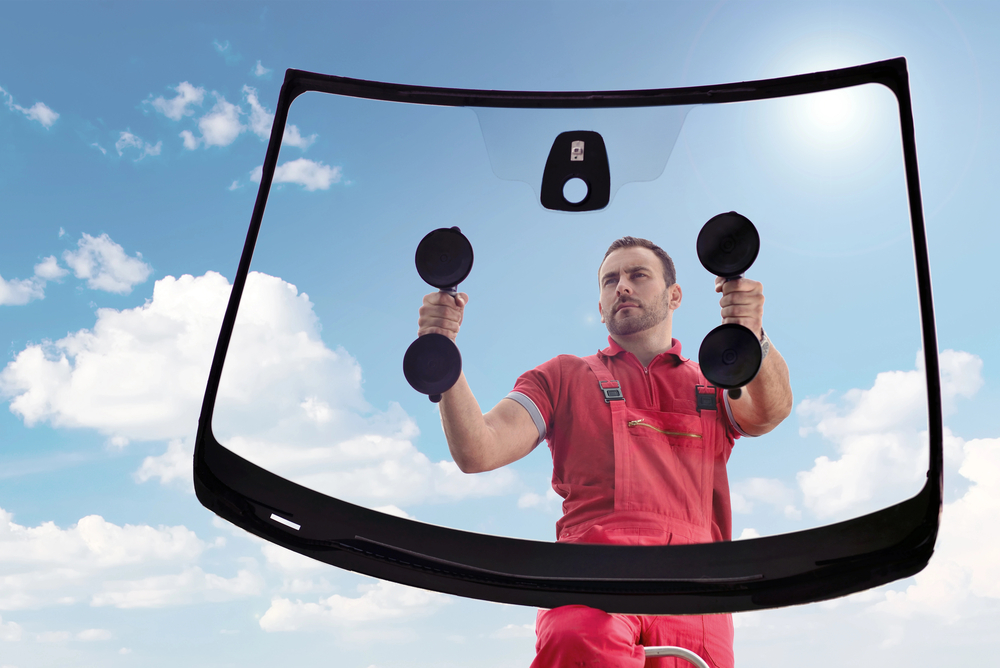
A windshield crack can start as a small line after a rock hits on I-635, then spread across the glass during a hot North Texas afternoon. The immediate question is usually whether you can keep driving. Cracked windshield legality in Texas depends less on a specific crack measurement and more on whether the damage obstructs the driver's view or makes the vehicle unsafe to operate.
That means there is no smart reason to wait for a crack to become severe. If it sits in your line of sight, reaches the edge of the windshield, or keeps growing, schedule a professional inspection as soon as you can. Fast windshield repair or replacement protects your visibility and helps you avoid a problem during a traffic stop, an accident claim, or a routine drive to work.
What Texas Law Says About a Cracked Windshield
Texas law requires a vehicle to have safety glass and prohibits operating a vehicle with an object or material placed on or attached to the windshield that obstructs or reduces the driver's clear view. A crack is not an added object, but damaged glass can still create the same safety concern when it blocks visibility, causes glare, or distorts what you see through the windshield.
Texas does not set a simple statewide rule that says every crack over a certain number of inches is automatically illegal. This is where many drivers get conflicting answers online. The condition of the windshield matters, the crack's location matters, and an officer can use judgment when deciding whether the damage creates an unsafe obstruction.
A short chip low on the passenger side is different from a long crack crossing the area directly in front of the steering wheel. The second situation is far more likely to affect your view of traffic, pedestrians, lane markings, and road hazards.
A Traffic Stop Is Possible When Visibility Is Affected
A law enforcement officer may stop a vehicle if the windshield damage appears to interfere with safe driving. You may receive a warning, but a citation is also possible depending on the circumstances. More importantly, a damaged windshield can draw attention during a stop for another issue, such as a burned-out light or speeding.
The safest approach is not to treat legality as a loophole question. Ask whether you can clearly see the road in all conditions. Night driving, rain, direct sun, and headlights from oncoming traffic can make a crack much more distracting than it seems in a driveway.
When a Cracked Windshield Becomes a Safety Problem
Not every chip requires a full windshield replacement. Many small chips and short cracks can be repaired when addressed early. But the damage can become more serious quickly, especially in Garland, Dallas, Plano, Richardson, Mesquite, and surrounding areas where temperature swings, highway speeds, and road debris are common.
A crack deserves prompt attention when it is in the driver's primary viewing area, extends toward the windshield edge, branches in multiple directions, or has begun to spread. Windshield edges help support the glass structure. Once a crack reaches that area, the chance of successful repair often drops.
You should also take the damage seriously if the windshield has a white or cloudy edge around the crack, if glass is loose, or if the crack is visible from both the inside and outside. These can be signs that the windshield is losing strength or that the damage is deeper than a surface chip.
Modern windshields do more than keep wind and bugs out of the cabin. They contribute to roof support in a rollover and help the passenger-side airbag deploy correctly. On vehicles with forward-facing cameras and driver-assistance features, windshield replacement may also require camera recalibration. A cheap or delayed fix can become a bigger safety and expense issue later.
Does Texas Vehicle Inspection Still Apply?
For most noncommercial vehicles, Texas eliminated the annual safety inspection requirement beginning in 2025. That change has caused some confusion about cracked windshield legality. No annual safety inspection does not mean drivers can legally operate a vehicle that is unsafe or has seriously obstructed visibility.
Texas registration requirements still apply, and state traffic laws still apply. Commercial vehicles, rideshare vehicles operating under company requirements, and vehicles subject to federal or fleet rules may face additional standards. If you drive for work, carry passengers, or use your vehicle for deliveries, your employer or platform may require you to fix windshield damage sooner than state law does.
Insurance companies may also review the condition of your windshield after an accident. A pre-existing crack does not automatically prevent a claim, but poor visibility or neglected damage can complicate the conversation. Keeping photos of the original damage and your repair paperwork is a practical step.
Repair or Replacement: What Makes Sense?
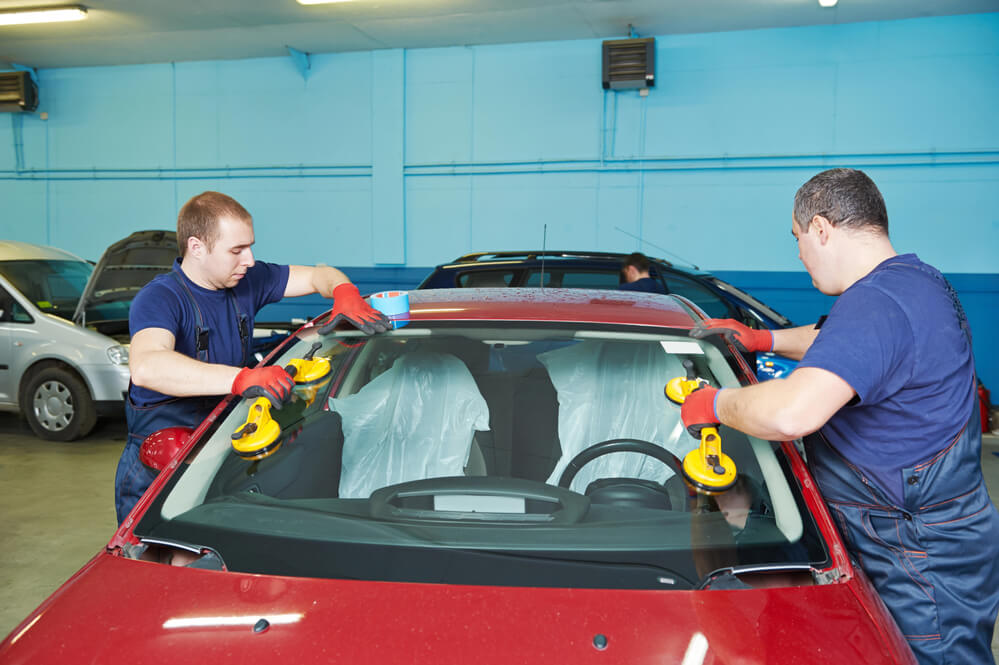
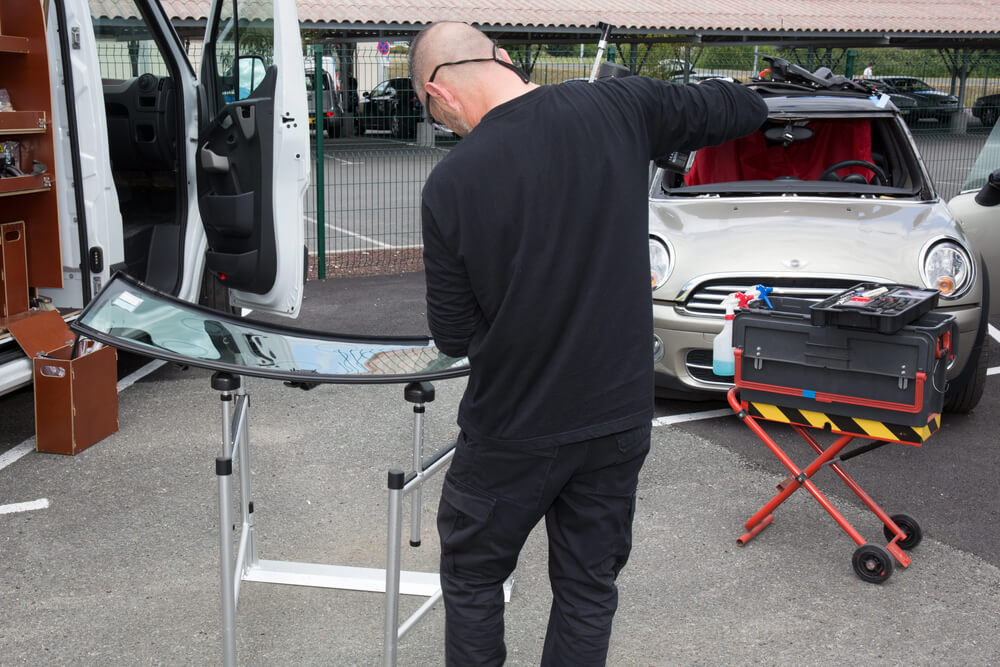
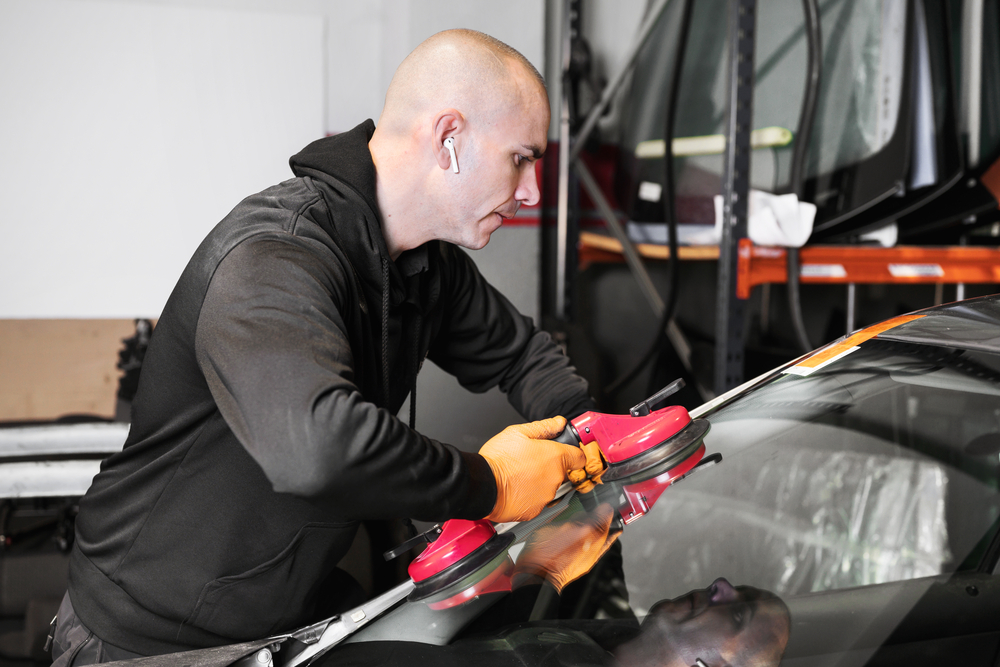
The right service depends on the size, location, depth, and age of the damage. A technician can usually repair a small, clean chip or a limited crack that has not spread into a critical viewing area. Repair is often the faster and more affordable option because it stabilizes the glass and can prevent the crack from growing.
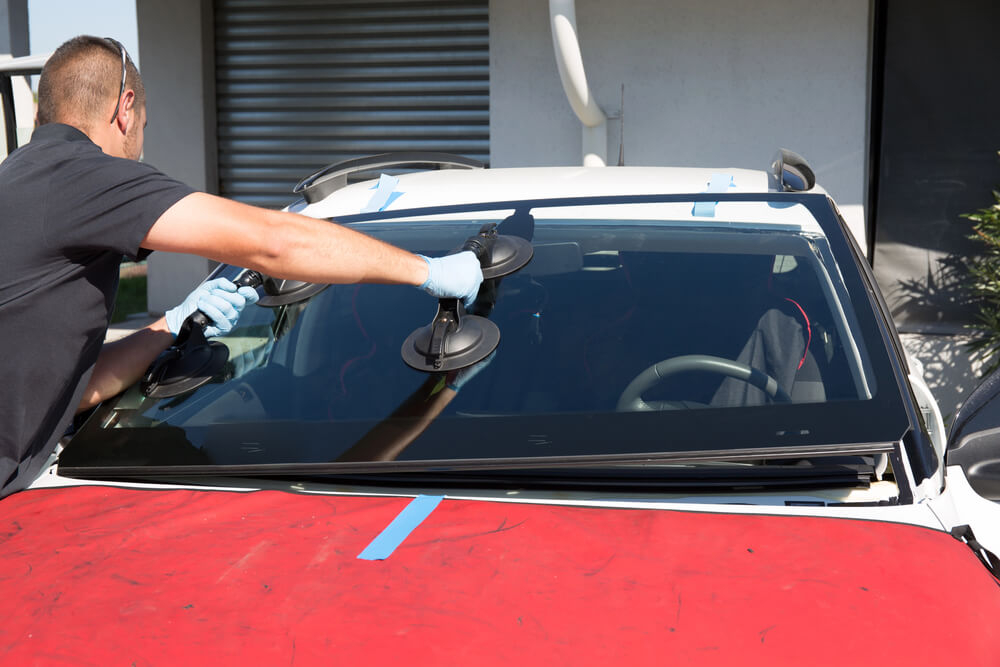
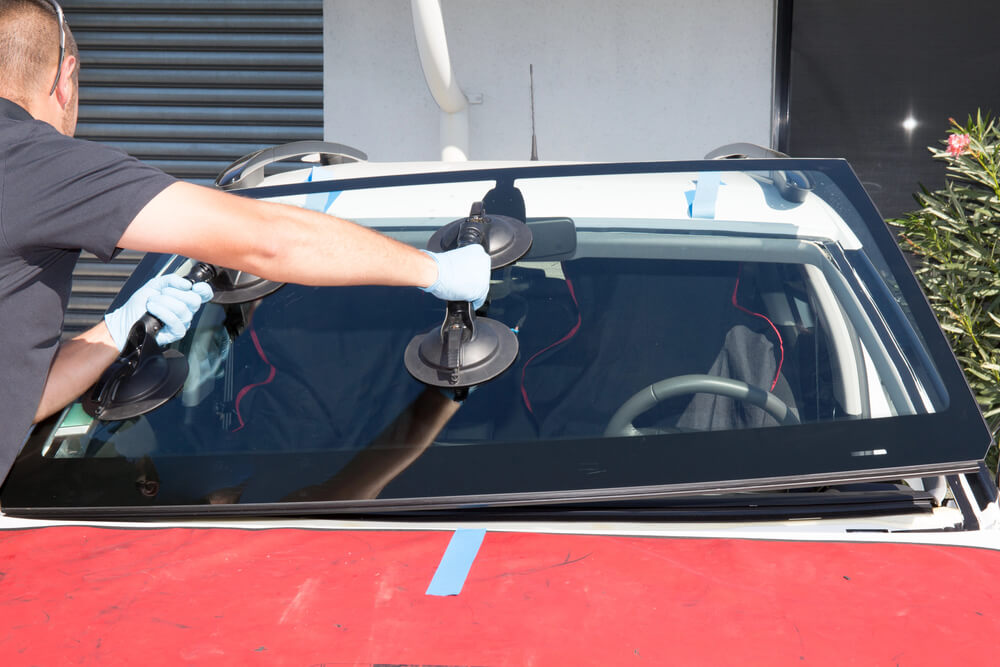
Replacement is generally the safer choice when the crack is long, reaches the edge, obstructs the driver's vision, penetrates both layers of glass, or has collected dirt and moisture over time. Windshield damage in the driver's line of sight is especially tricky. Even when resin can fill a crack, a repair may leave a visible mark or optical distortion where you need the clearest view.
Do not judge the repairability by length alone. Two cracks of the same length can require different solutions based on their shape and placement. A reliable auto glass professional should inspect the windshield, explain the options plainly, and recommend replacement only when repair will not restore safe, dependable visibility.
Do Not Wait for the Crack to Spread
Heat expands glass. Cold weather contracts it. Slamming a door, hitting a pothole, or running the defroster can put enough stress on an existing crack to make it travel. A chip that looked manageable on Monday can become a windshield replacement by Friday.
Until you can have the glass checked, avoid blasting the defroster or air conditioning directly onto the damaged area. Keep the windshield clean, do not press on the crack, and avoid DIY kits if the damage is directly in your line of sight or already spreading. A temporary patch may keep dirt out, but it does not replace a professional diagnosis.
How Insurance Can Help With Windshield Service
Many comprehensive auto insurance policies cover windshield repair or replacement, subject to your deductible and policy terms. Repair may be covered differently from replacement because insurers often prefer repairs when they can safely preserve the original windshield.
Before authorizing work, confirm your deductible and whether you can choose your auto glass provider. You do not have to let an insurance claim turn into a long, confusing process. A local company such as Auto Glass Garland can help explain the damage, provide the information needed for a claim, and arrange mobile service when appropriate.
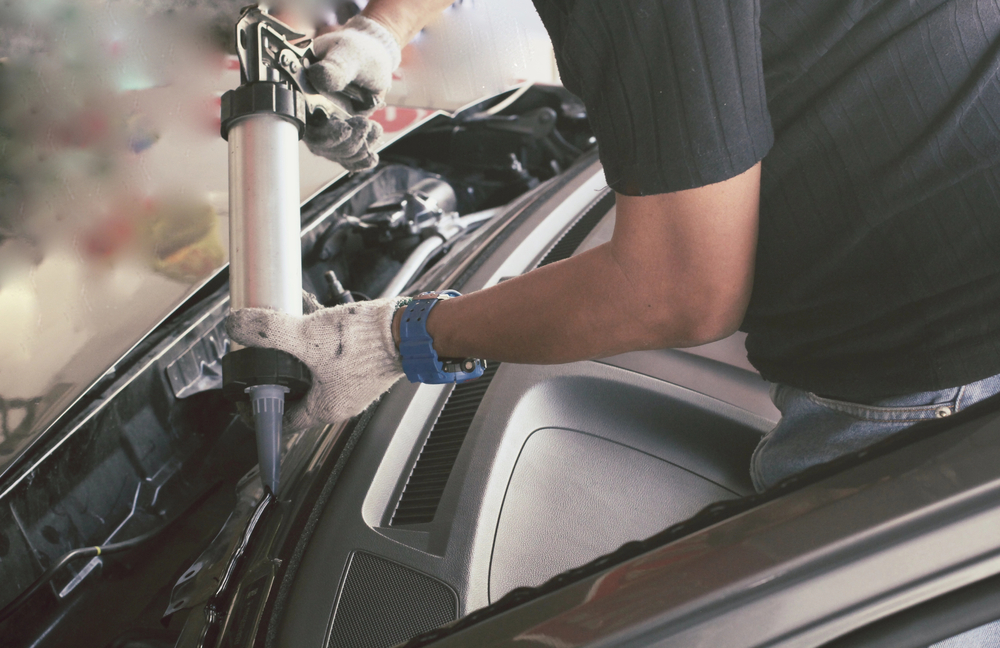
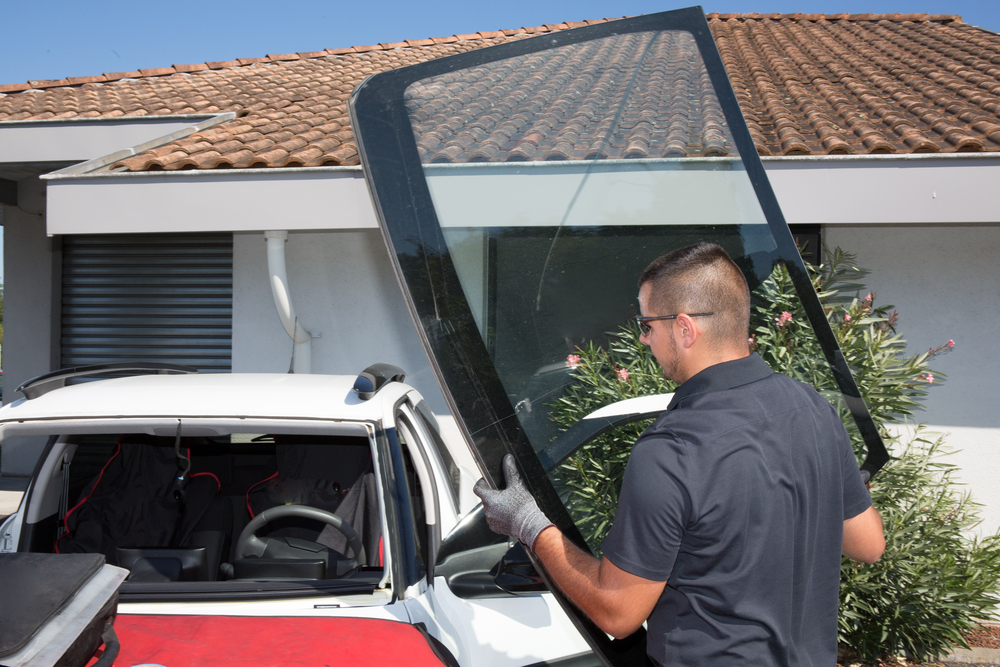
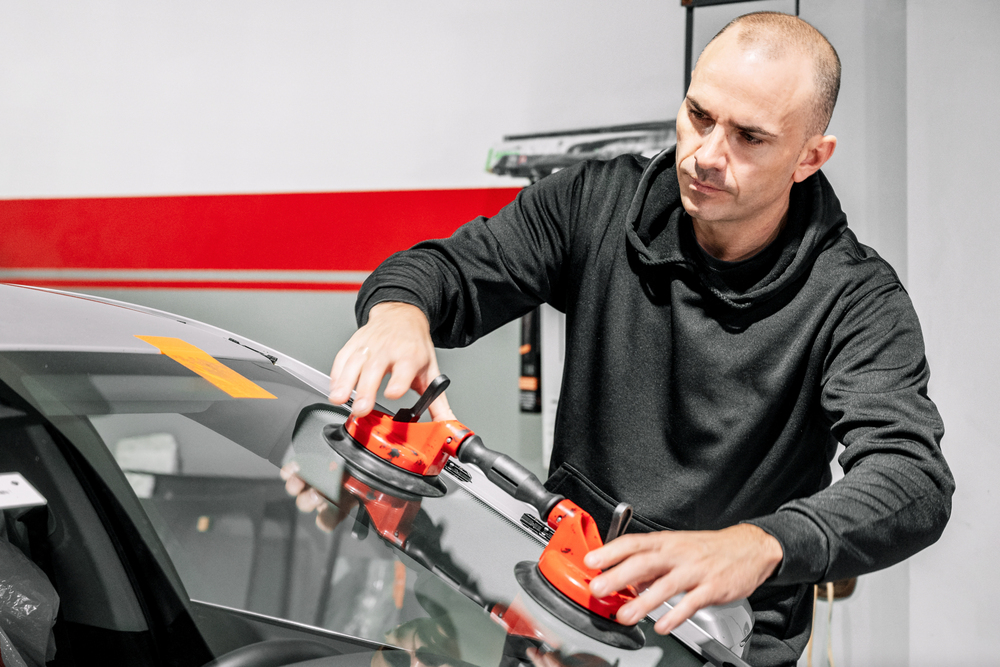
Mobile windshield service can be a good fit when the vehicle is safe to drive only minimally or when you cannot leave work, home, or a busy family schedule. In some weather conditions or for certain recalibration needs, in-shop service may be the better option. The goal is a proper installation, not simply the fastest appointment available.
When to Schedule Service Right Away
Call for windshield service promptly if the damage blocks any part of your normal driving view, if the crack is growing, or if you can feel damage on the inside of the glass. Do the same if the crack reaches an edge, has multiple branches, or appeared after a collision.
If the damage is small and away from the driver's view, it may still be repairable, but early service gives you the best chance of avoiding replacement. The longer a chip stays exposed to rain, dust, washer fluid, and road grime, the harder it is to achieve a clean repair.
A cracked windshield is not always an automatic ticket, but it is never something to ignore when you rely on your vehicle every day. Clear glass gives you a better view of the road, keeps your vehicle safer, and lets you get back to your normal routine with less uncertainty.