
A wet floorboard after a North Texas thunderstorm is not something to ignore. Can a windshield leak? Yes. Even when the glass looks intact, water can get past a failing seal, a poor previous installation, or damage around the windshield frame. The result can be much bigger than an inconvenient damp spot: moldy odors, stained headliners, electrical issues, and corrosion can all follow.
For drivers in Garland, Dallas, and nearby communities, the best move is to identify the source early and have the windshield area inspected by a qualified auto glass professional. Water leaks usually do not fix themselves, and another heavy rain can turn a small problem into interior damage.
Can a Windshield Leak Without a Crack?
Yes. A cracked windshield can let in water, but visible glass damage is only one possible cause. The windshield is bonded to the vehicle body with automotive urethane adhesive. That bond helps keep water out and also supports the vehicle's roof structure and passenger-side airbag performance in many modern vehicles.
If the adhesive bond has gaps, the windshield can leak even though the glass itself has no crack. This sometimes happens after an improper windshield replacement, especially if the vehicle was driven before the urethane had enough time to cure. It can also happen when rust, old adhesive, dirt, or body damage around the windshield opening prevents a proper seal.
A windshield leak is not always the only explanation for water inside a vehicle. Sunroof drains, door seals, cowl drains, roof seams, and air-conditioning drain lines can cause similar symptoms. That is why an inspection matters. Sealing the wrong area may hide the issue temporarily while water continues entering somewhere else.
Common Signs of a Windshield Leak
Water does not always drip directly from the top of the windshield. It may travel behind trim panels or under carpeting before it becomes visible. Pay attention to small changes after rain, a car wash, or driving through standing water.
The most common signs include damp carpet near the dashboard or front floorboards, water stains on the headliner near the windshield, fogging that keeps returning inside the glass, a musty smell, or moisture behind dashboard panels. You may also hear a wind whistle at highway speed. Wind noise does not prove there is a leak, but it can point to a gap around the windshield.
Modern vehicles add another concern. Wiring harnesses, sensors, fuse panels, and control modules may be located under the dash or near the front kick panels. Water reaching those areas can create warning lights, intermittent electrical problems, or expensive repairs. A leak that seems minor today deserves attention before it reaches those components.
A quick check you can do at home
You can inspect the windshield perimeter for obvious concerns. Look for lifted or loose molding, gaps between the glass and body, cracked sealant, rust around the edge, or trim that does not sit evenly. Check the interior around both lower windshield corners, since water often collects there.
Avoid using a garden hose at full pressure to test the leak by yourself. High-pressure water can force its way past seals that would not leak under normal rain, making the results misleading. It can also send water into the cabin quickly. A professional water test uses a controlled method and checks the windshield, body seams, drains, and other likely entry points.
What Causes a Windshield to Leak?
The cause affects the right repair. In some cases, a localized seal issue can be corrected. In others, the windshield needs to be removed and reinstalled or replaced so the bonding surface can be properly prepared.
Poor previous installation
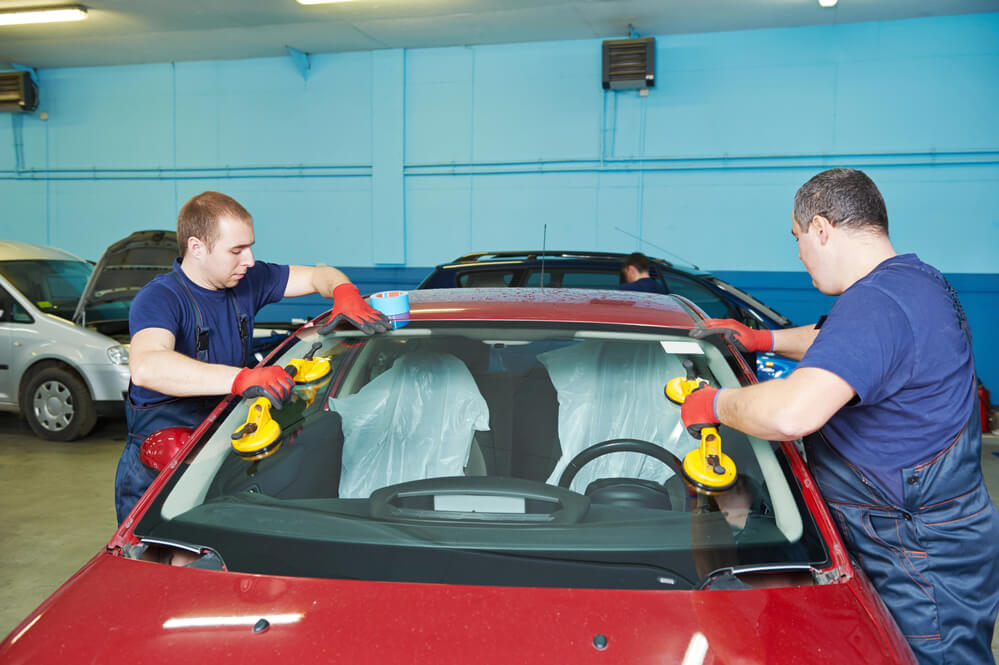
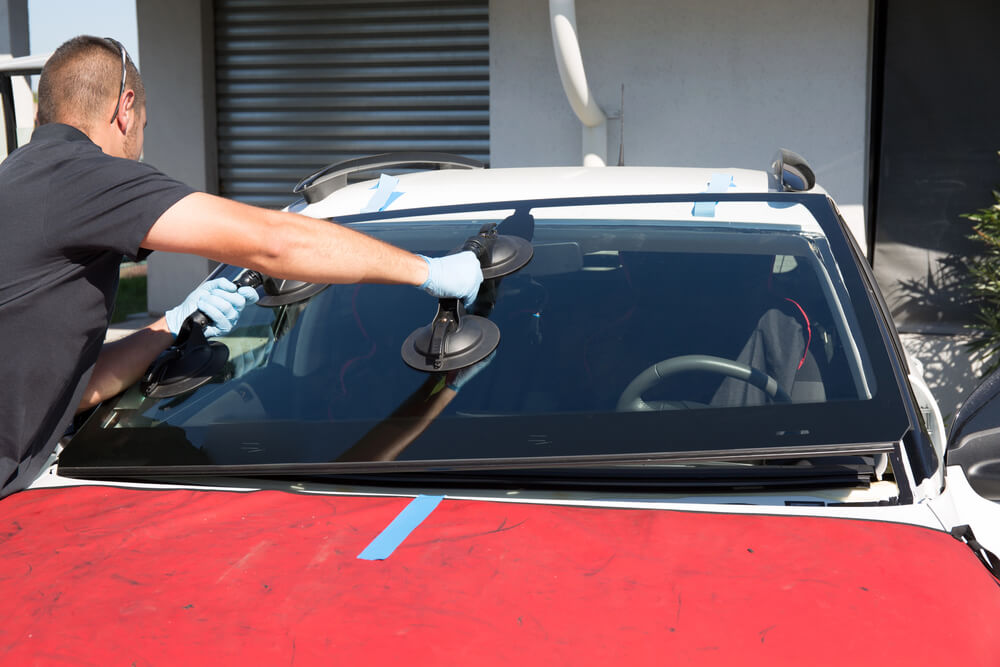
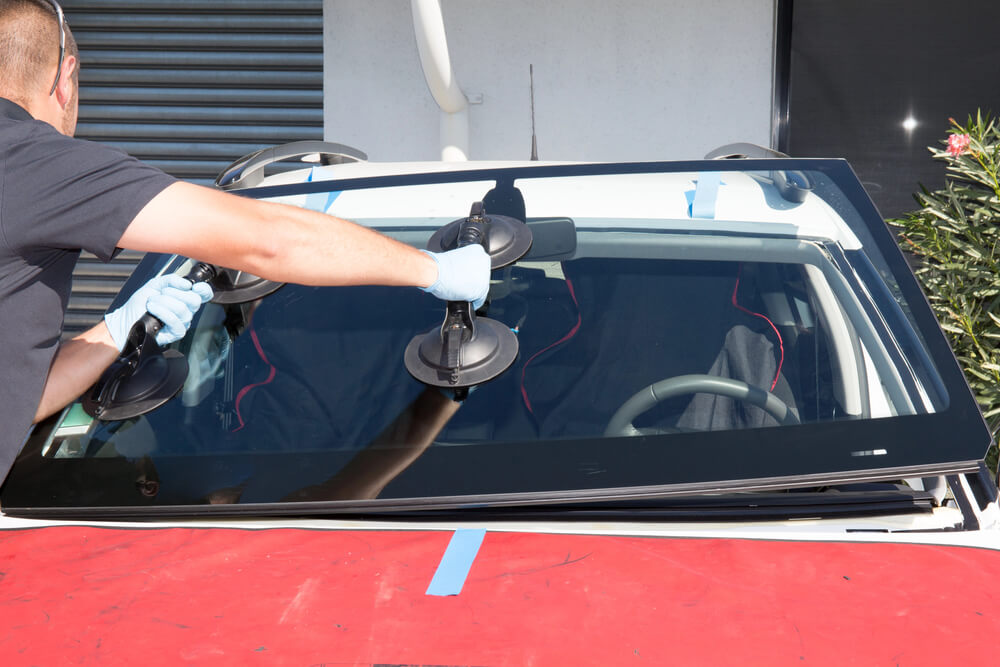
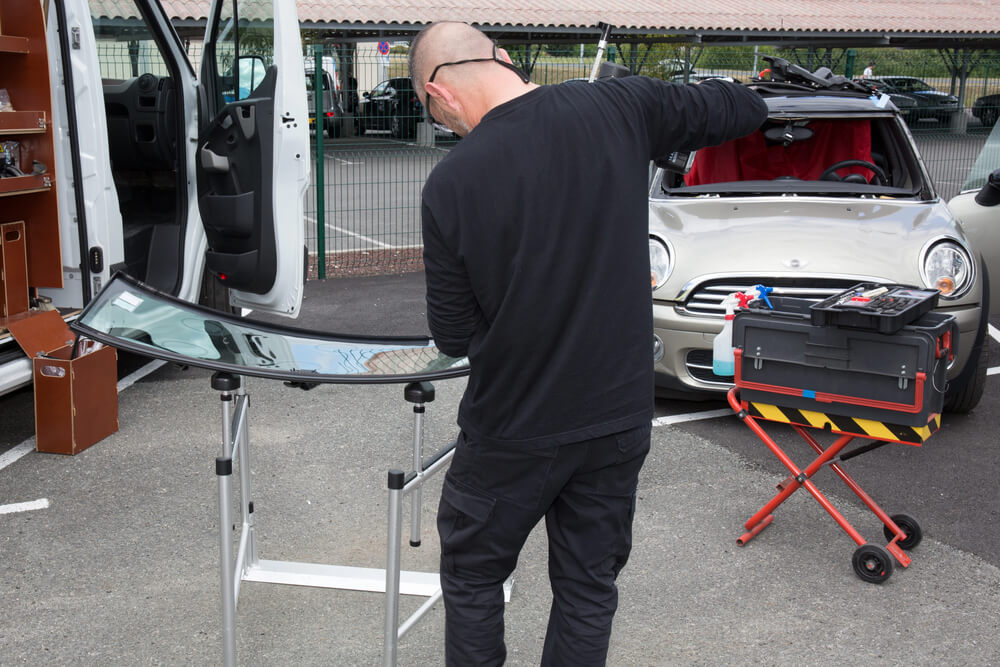
A windshield replacement depends on preparation as much as the new glass. The installer must remove damaged or contaminated urethane, prepare the pinchweld, address corrosion, apply the proper adhesive, and set the windshield correctly. If shortcuts were taken, water may find a path through the bond line.
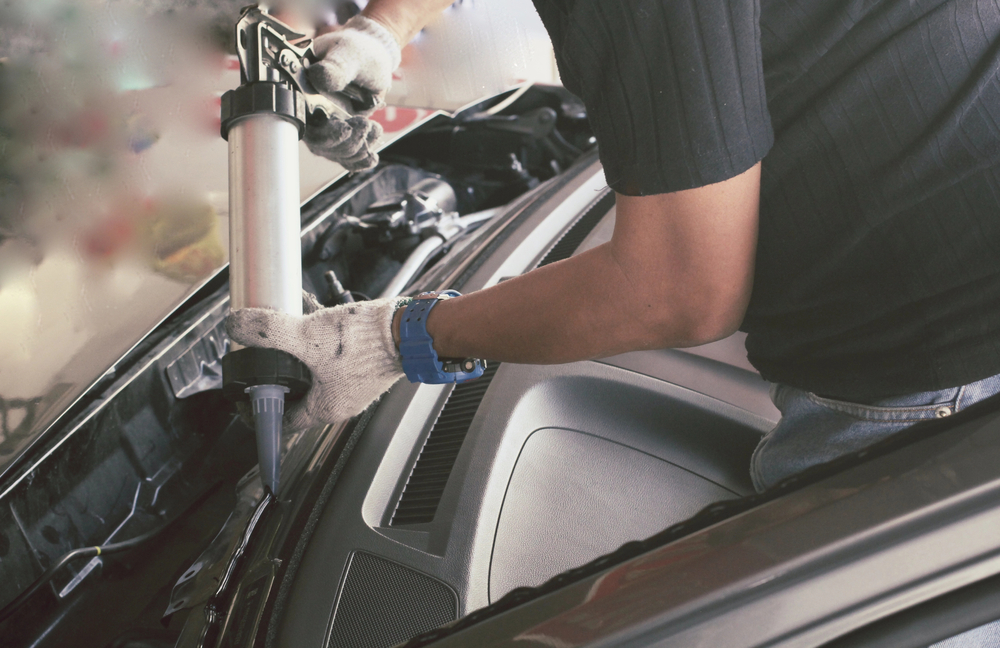
Cheap materials can also create problems. Automotive glass urethane is designed for safety and weather resistance. Household caulk, silicone, or generic sealant is not a safe substitute for proper windshield adhesive. It may fail in Texas heat, complicate a later replacement, and does not restore the structural bond the windshield needs.
Rust or damage around the windshield frame
The metal channel around the windshield is called the pinchweld. When paint is scratched during an earlier replacement or rock damage goes untreated, corrosion can develop under the glass edge. Rust can lift the adhesive, create openings for water, and weaken the mounting area.
Minor surface corrosion may be repairable during a windshield service. Extensive rust or collision damage can require body repair before new glass is installed. This is one reason a professional should inspect the area rather than simply applying sealant over a leak.
Age, weather, and body movement
North Texas heat puts constant stress on vehicle materials. Over time, trim, seals, adhesives, and body seams can age. Temperature swings can also expand and contract materials around the windshield. A vehicle that has been in an accident, even one with no obvious front-end damage, may have slight body movement around the windshield opening that affects the seal.
A cracked windshield or damaged molding
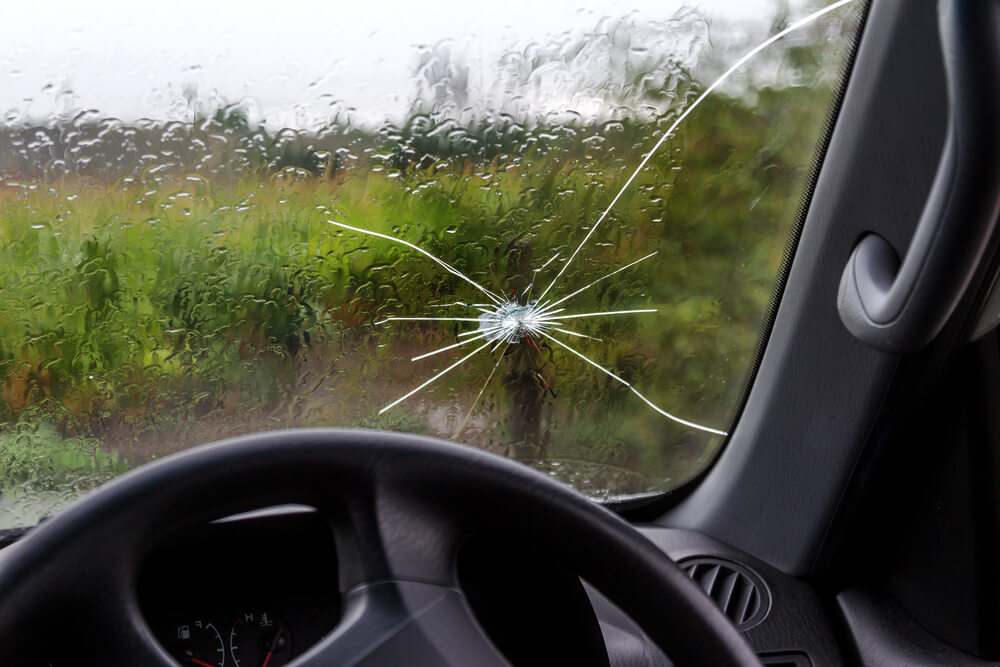
A crack that reaches the edge of the windshield is more likely to affect the seal than a small chip in the center of the glass. Damaged outer molding can also allow water to reach areas it should not. Still, molding is often a finishing component rather than the primary water barrier, so replacing molding alone may not solve the leak.
Why You Should Not Just Caulk the Edges
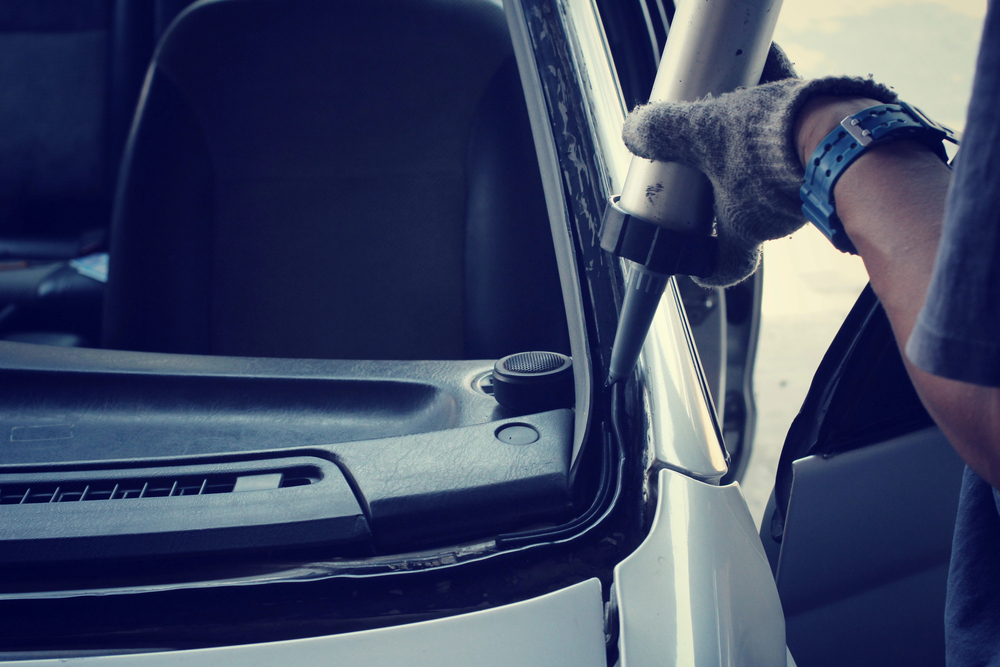
It is understandable to want a fast fix when rain is in the forecast. However, applying silicone around the outside edge of a windshield is rarely a reliable repair. Water can enter from underneath the glass or through a point far from where it appears inside the cabin. Surface caulk may redirect water for a while without fixing the failed bond.
There is also a safety issue. The windshield is more than a piece of glass that keeps out wind and rain. It is a bonded safety component. If the original urethane bond is compromised, the correct solution may require removing the windshield, inspecting the frame, and reinstalling it with approved materials.
A proper repair can cost more than a tube of sealant, but it can prevent soaked carpeting, mold cleanup, corrosion, and electrical damage. It also gives you a clear answer about whether the problem is truly the windshield or another part of the vehicle.
What to Do When You Notice Water Inside Your Car
Start by protecting the interior. Remove standing water with towels and take out loose floor mats so they can dry. If carpeting is soaked, do not leave it that way for days. Moisture trapped in padding can lead to odors and mold even after the visible surface feels dry.
Then schedule an inspection as soon as possible. Tell the technician when the leak occurs, where you first see water, whether the windshield was replaced recently, and whether the vehicle has had collision repairs. Those details help narrow down the source.
If rain is expected before the appointment, park under cover when possible. A temporary cover may help keep additional water out, but do not tape material directly over the windshield in a way that blocks your view or damages paint. If you see water near electrical components, notice warning lights, or find significant pooling under the dash, limit driving until the vehicle can be checked.
When Windshield Repair Is Enough and When Replacement Makes Sense
A small chip in the middle of the windshield can often be repaired if it is not in the driver's primary view and has not spread. But a leak is a different problem. Repairing a chip does not correct a failed perimeter seal, rusted pinchweld, or poor installation.
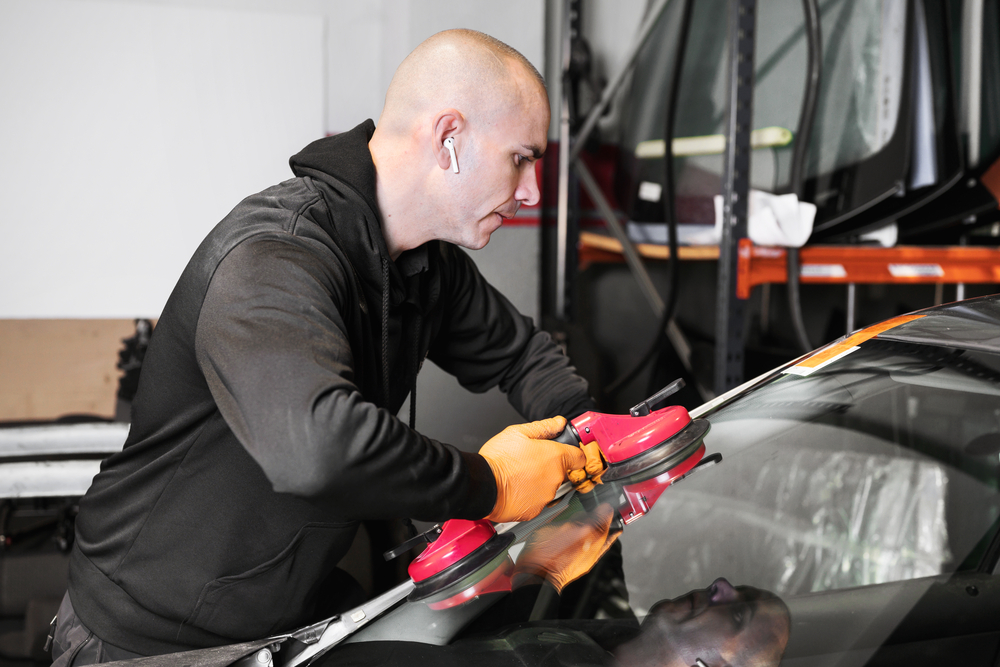
Replacement may be recommended when the glass is cracked at the edge, the urethane bond has failed, the windshield must be removed to inspect corrosion, or the existing glass cannot be safely reinstalled. Vehicles with forward-facing cameras or advanced driver-assistance systems may also need calibration after windshield replacement. That step matters because features such as lane support and automatic emergency braking rely on accurate camera positioning.
A trusted auto glass technician should explain what was found, what service is needed, and whether insurance may help with the claim. The goal is not to sell a replacement when a smaller repair will work. It is to restore a safe, weather-tight installation that holds up to daily driving.
For fast, reliable help with a suspected windshield leak in Garland or the surrounding area, Auto Glass Garland can inspect the issue and help you move toward the right repair. Getting the source identified now can save your carpet, your electronics, and a much larger repair bill after the next storm.