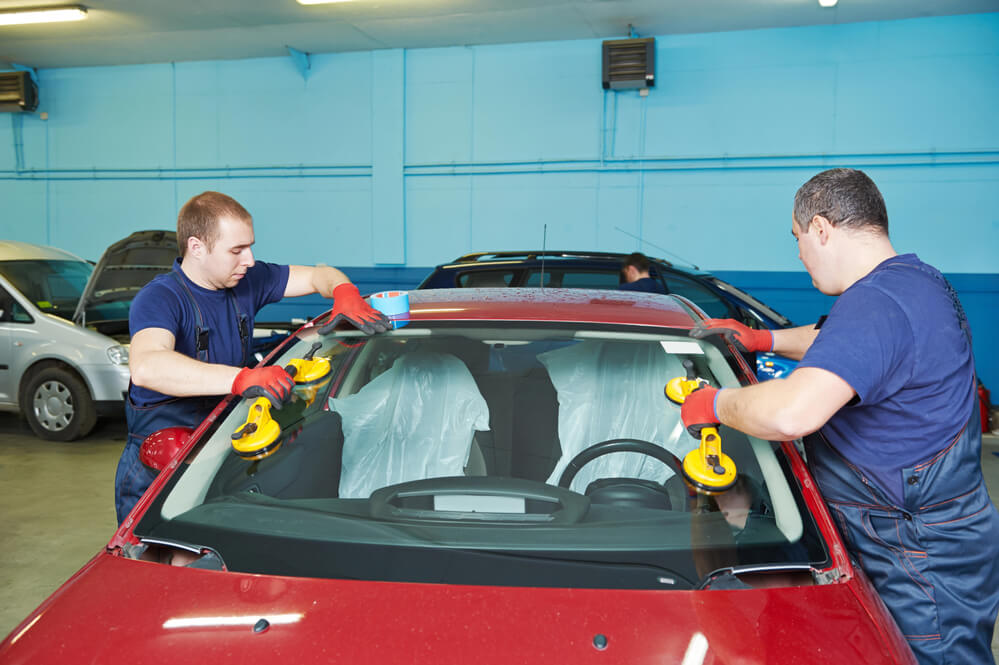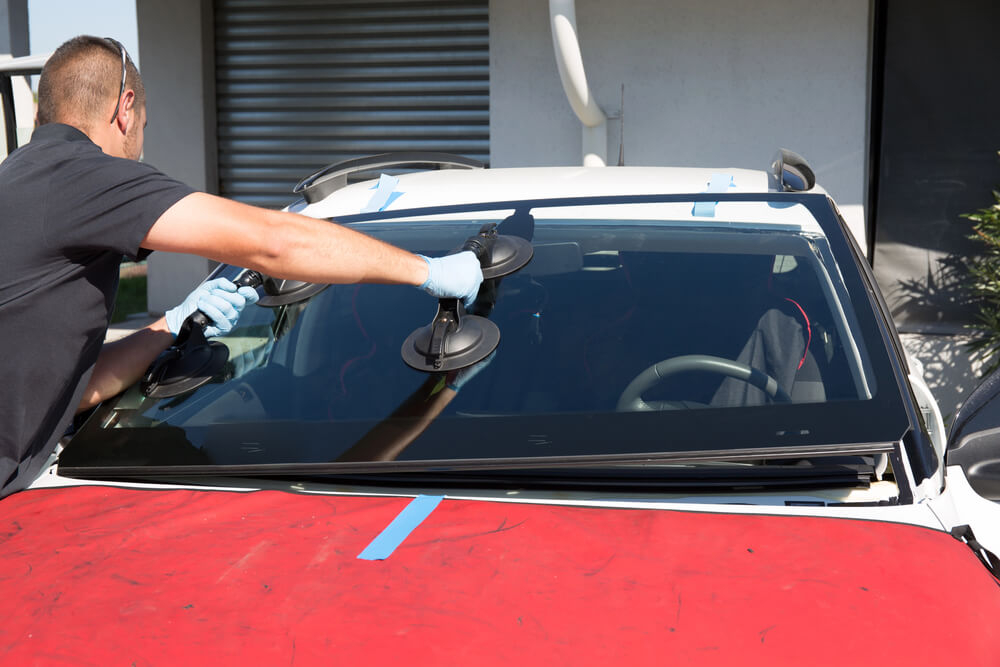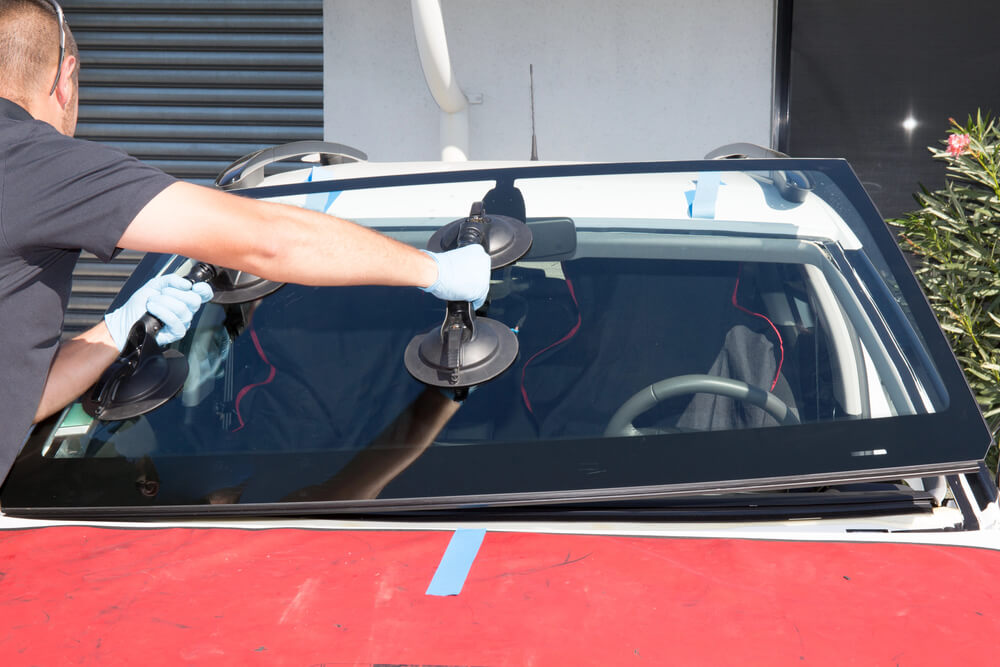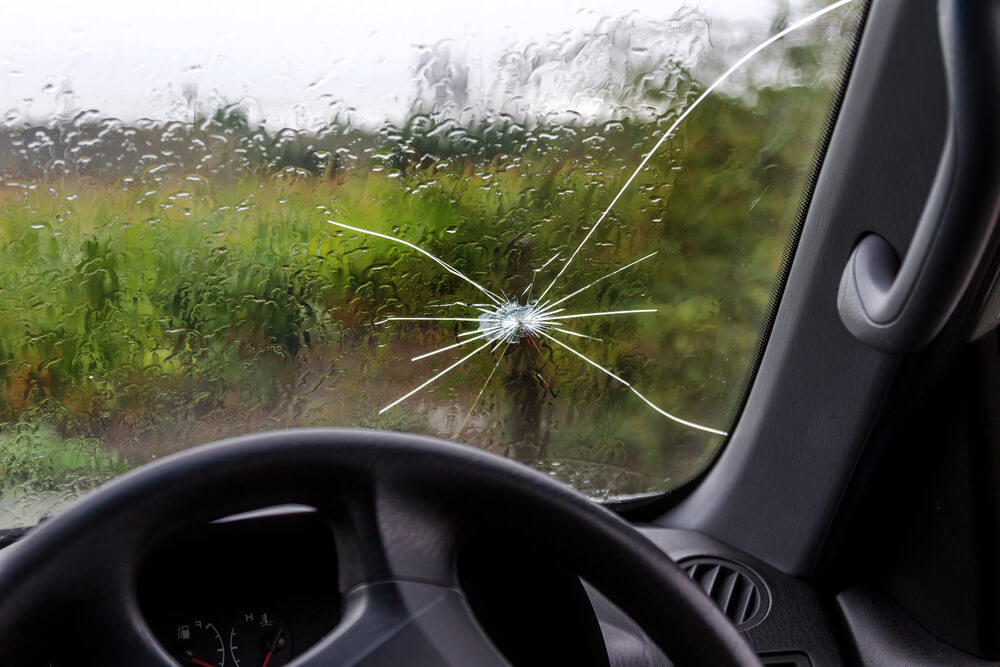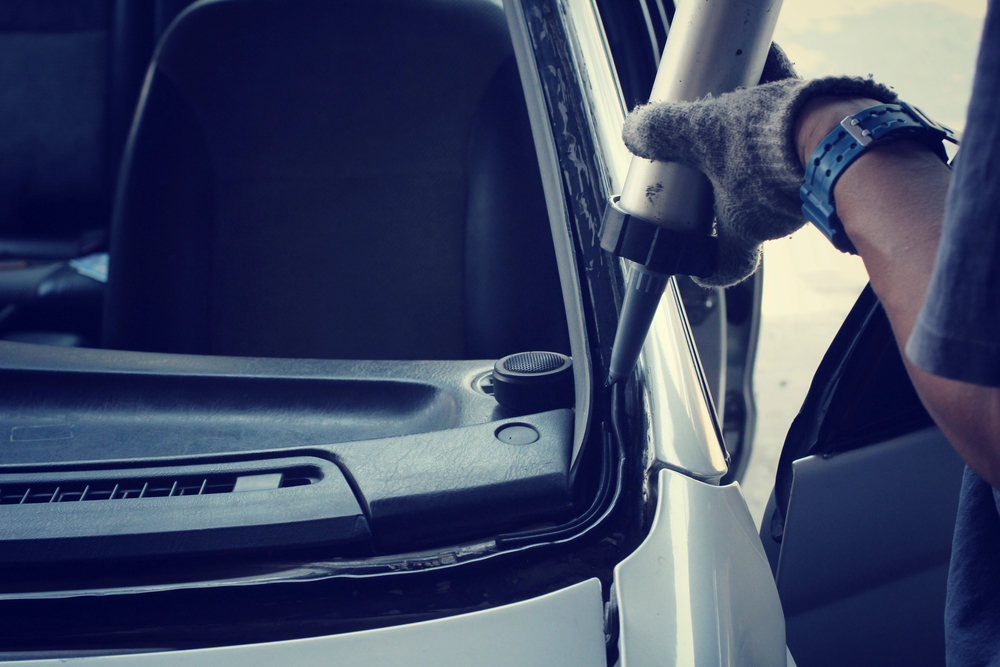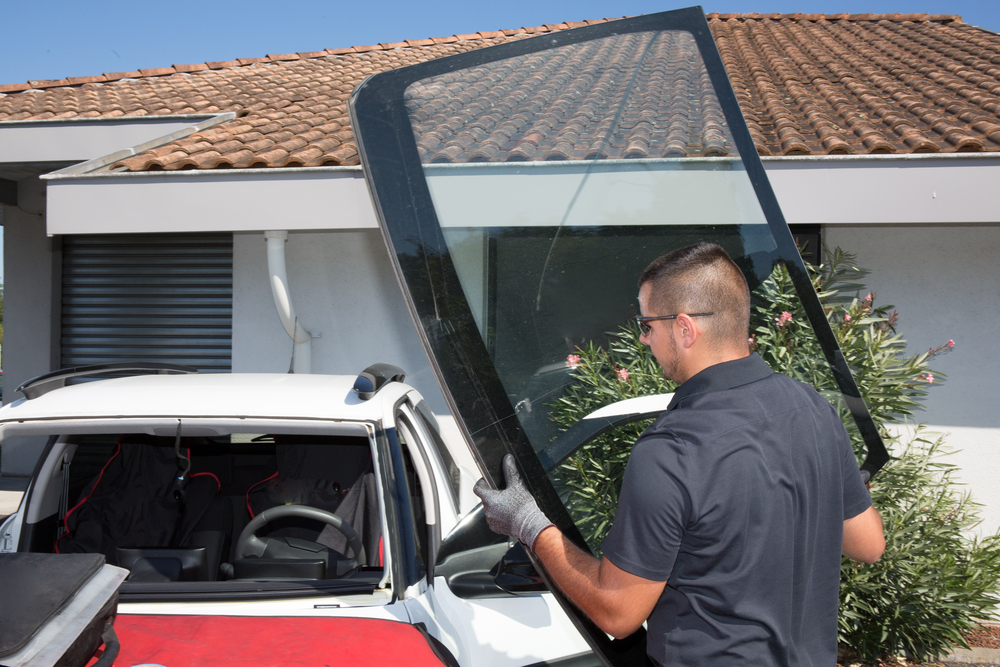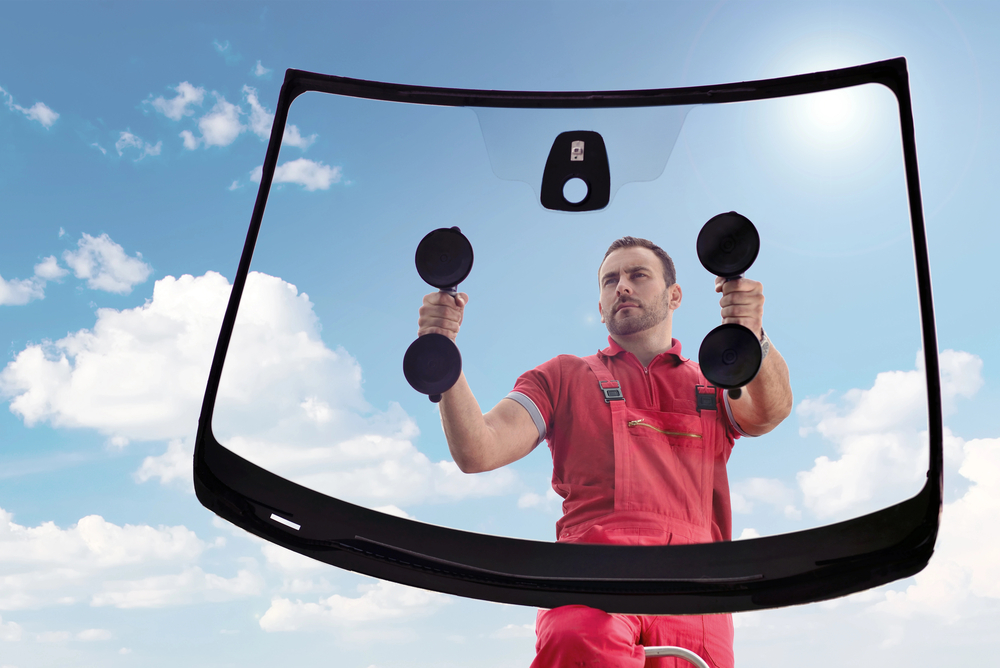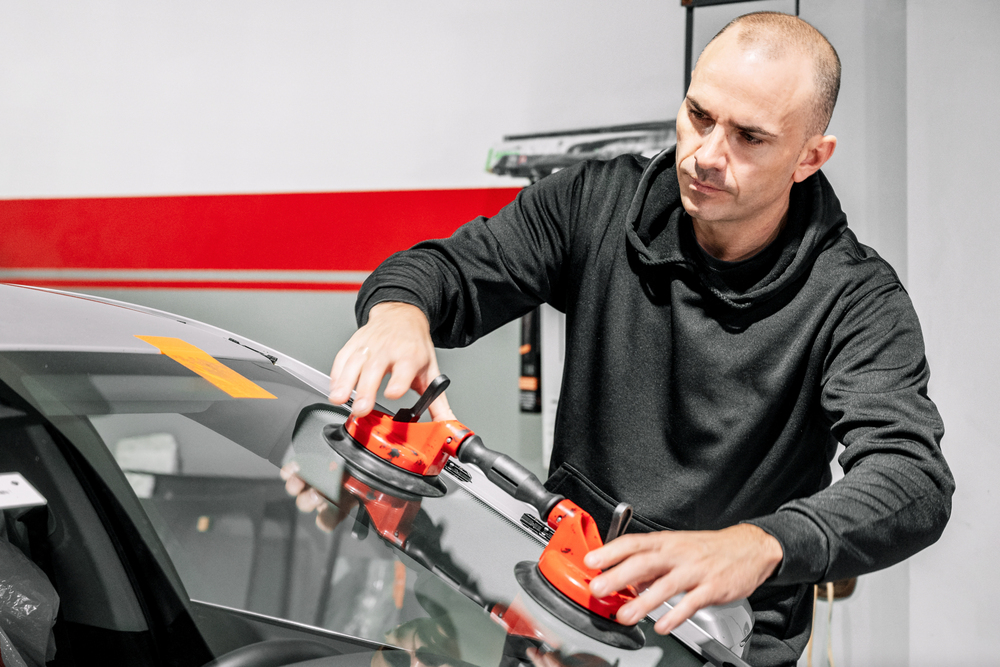

A new windshield can make your vehicle look whole again, but the glass is only part of the job on many newer vehicles. ADAS recalibration after windshield replacement restores the accuracy of the camera and safety systems mounted near your rearview mirror. If that camera is not aimed correctly, features meant to help you stay safe may not work as intended.
For drivers in Garland, Dallas, and surrounding North Texas communities, this matters every day. Heavy traffic, fast highway commutes, construction zones, and sudden stops leave little room for a lane warning or forward-collision alert that reacts too late or reads the road incorrectly.
Why a Windshield Replacement Can Affect Safety Features
ADAS stands for Advanced Driver Assistance Systems. Depending on the vehicle, these systems may include forward-collision warning, automatic emergency braking, lane-departure warning, lane-keeping assistance, adaptive cruise control, traffic sign recognition, and automatic high beams.
Many of these features rely on a forward-facing camera located behind the windshield. The camera looks through a specific area of the glass and must be positioned at a precise angle. Removing and replacing the windshield can change that camera's reference point, even when the installer carefully transfers the camera and its mounting bracket.
A calibration procedure tells the vehicle where the camera is in relation to the road, vehicle centerline, and surrounding environment. It is not simply a dashboard reset. The goal is to make sure the vehicle's safety technology is reading the world accurately again.
Not every vehicle has ADAS equipment, and not every windshield replacement requires calibration. Older models and some base trim levels may not have a windshield-mounted camera at all. The reliable way to know is to identify your vehicle's year, make, model, trim, and installed safety features before the replacement begins.
Signs Your Vehicle May Need ADAS Recalibration
The most obvious sign is a camera or driver-assistance warning message on the instrument panel after the windshield is replaced. But a warning light is not the only reason calibration may be needed. Some systems may appear normal while still needing a required calibration procedure.
Your vehicle may need recalibration if it has a camera positioned near the rearview mirror, a lane-assist button on the steering wheel, adaptive cruise control, or a windshield that is specified for a camera, heating element, heads-up display, or special acoustic features. The replacement glass itself must also match the vehicle's required specifications. A windshield that fits physically may not be the correct glass for the camera system.
Damage around the camera bracket, a loose rearview mirror assembly, prior collision damage, suspension changes, or changes to wheel alignment can also affect how a camera sees the road. That is why the technician should look at the full situation instead of assuming every replacement follows the same process.
Static vs. Dynamic Calibration
There are two common methods used for ADAS camera recalibration after windshield replacement. The correct method depends on the vehicle manufacturer's requirements.
Static calibration
Static calibration is performed while the vehicle is parked in a controlled space. The technician uses a diagnostic scan tool and precisely positioned targets or panels in front of the vehicle. Floor level, lighting, target distance, tire pressure, vehicle ride height, and vehicle alignment can all matter.
This process is detailed for a reason. A target that is slightly out of position can lead to an inaccurate result. Static calibration is often performed in a shop or calibration facility because it requires room, equipment, and controlled conditions.
Dynamic calibration
Dynamic calibration is completed by driving the vehicle under the conditions required by the manufacturer. The scan tool communicates with the vehicle while the camera observes lane markings, traffic, and roadway conditions. Some vehicles need a certain speed, a clear road, and a defined period of driving before the system can complete its learning process.
North Texas weather and traffic can affect this step. Heavy rain, poor lane markings, construction areas, or stop-and-go traffic may delay completion. A dynamic calibration is not just a quick trip around the block. It must be performed safely and according to the vehicle's specifications.
Some vehicles require static calibration, dynamic calibration, or both. A trusted auto glass provider should verify the proper procedure rather than choosing the fastest option.
What to Expect During the Appointment
The process starts before the new glass is installed. The technician confirms the vehicle information, identifies ADAS equipment, and checks the windshield part required for that vehicle. This helps avoid a mismatch between the replacement glass and the camera system.
After the windshield is installed and the urethane has had the proper safe drive-away time, calibration can be performed if the vehicle and conditions allow it. The technician may connect a scan tool, check for diagnostic trouble codes, inspect the camera area, and complete the required static or dynamic process.
A completed job should include confirmation that the calibration procedure was successful or a clear explanation of what still needs to be done. If another issue prevents calibration, such as a damaged camera, alignment concern, or an existing warning code, you should know that before relying on the system.
The appointment time varies. A straightforward windshield replacement may take less time than one involving calibration, but the exact schedule depends on your vehicle, glass availability, curing time, and the manufacturer's calibration procedure. The extra time is worthwhile when the camera supports braking or lane-control features.
Can ADAS Recalibration Be Done With Mobile Service?
Sometimes, but it depends on the vehicle and calibration type. Mobile windshield replacement is a convenient option for busy commuters, families, and drivers dealing with damaged glass at home or work. However, certain static calibrations require a level, controlled area and specialized targets that may not be practical at every driveway, parking lot, or job site.
Dynamic calibration may be possible after a mobile installation when the vehicle's requirements can be met safely. In other cases, the best plan is to replace the windshield where it is convenient, then complete calibration at an appropriate facility. The right answer is the one that protects the accuracy of the system, not the one that cuts a step out of the process.
At Auto Glass Garland, the goal is to explain those requirements clearly before service begins, so you know whether your vehicle can be handled on-site or needs an in-shop calibration plan.
Insurance and ADAS Calibration Costs
Windshield replacement and calibration may both be covered under comprehensive insurance, subject to your policy, deductible, and carrier approval. Coverage differs by policy, so it is smart to ask whether the estimate includes the windshield, moldings, disposal, calibration, scan procedures, and any required follow-up work.
Calibration can add cost because it requires diagnostic equipment, trained technicians, targets, shop space, and documented procedures. Skipping it to save money can create a larger safety concern, especially when automatic braking or lane support depends on the camera being correctly aimed.
If you are filing a claim, provide accurate vehicle details and let the service provider help explain the work being performed. Clear documentation can make the process easier for both you and your insurance company.
Do Not Assume the Safety System Is Ready
A clean windshield and a working rearview mirror do not prove that ADAS features are ready for the road. Avoid testing automatic emergency braking or lane-keeping assistance on your own. These features are designed to assist an attentive driver, not replace one, and they should not be used as a home test after glass work.
Instead, check the dashboard for warnings, make sure the camera area is clean and unobstructed, and ask whether the required calibration was completed successfully. Keep any service documentation with your vehicle records, especially if you plan to sell the vehicle or need to address a future warning light.
When a cracked windshield needs replacement, ask about the camera before the glass comes out. A few minutes spent confirming your vehicle's ADAS requirements can help ensure the new windshield supports the safety features you depend on during every North Texas drive.